Breathwork has emerged as a powerful tool for cultivating mindfulness, emotional balance, and physical well-being. Much like water carves its path differently depending on the terrain it flows through, the experience of breathwork shifts fundamentally based on the environment in which it is practiced. The dichotomy between online and in-person breathwork sessions unfolds like two distinct rivers—each nourishing the practitioner in unique ways. Yet, the spa setting, with its carefully orchestrated ambiance, remains a sanctuary that amplifies the power of in-person breathwork, enriching the practice beyond the reaches of a virtual screen. Exploring the interplay between modality and environment reveals why this setting matters profoundly.
The Digital Stream: The Rise and Reach of Online Breathwork
Online breathwork has democratized access to this age-old practice, much like a digital aqueduct channeling expansive waters to parched lands. It offers unprecedented flexibility, convenience, and the ability to connect across geographical boundaries. The virtual format allows practitioners to embark on inward journeys from the comfort of their own spaces, eliminating the friction of travel and scheduling. For many, this accessibility serves as a gateway, igniting an initial spark of curiosity and engagement.
However, the digital realm, for all its convenience, often lacks the sensory stimuli that deepen the breathwork experience. The intangible elements—ambient temperature, subtle scents, and tactile sensations—are diminished or entirely absent. These multisensory cues serve as vital tributaries, nurturing the mind-body connection and fostering heightened presence. Without them, breathwork in the online format may resemble a monochrome echo of its full-bodied potential.
The Spa Setting: A Symphonic Confluence of Senses
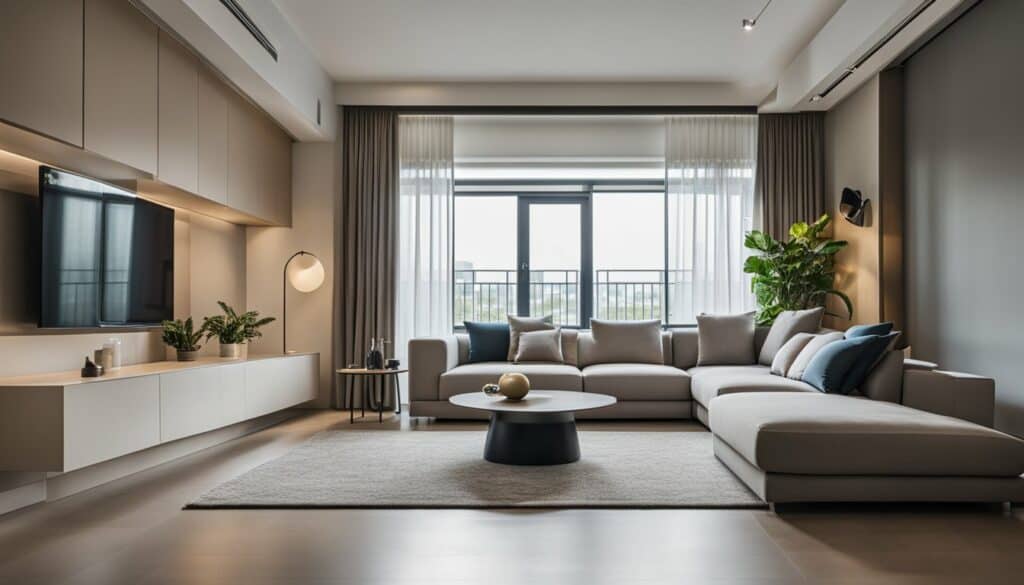
In-person breathwork within a spa unfolds akin to a symphony, where every note is a sensory element meticulously tuned to harmonize with the practice. The spa is a curated ecosystem, rich in purposeful design — soft lighting, serene aromas of essential oils, and the gentle cadences of ambient soundscapes. These elements coalesce, creating an environment that invites surrender and depth.
This carefully crafted habitat nurtures a liminal space—a threshold between the everyday and the transcendent—where breathwork transcends technique and becomes an immersive voyage. Here, the practitioner is cocooned from external distractions, allowing subtle physiological shifts to be noticed and integrated with greater ease. The tactile warmth of a mat, the textured softness of blankets, and even the presence of a skilled facilitator’s energy deepen the resonance of the breath.
Embodied Presence Versus Virtual Mediation
The essence of breathwork lies in embodiment—the lived experience of breath coursing through the body’s architecture. In-person sessions within the spa evoke this embodiment through a visceral awareness that is difficult to replicate virtually. The facilitator’s proximate guidance plays a pivotal role, subtly calibrating tempo and depth of breath with intuitive responsiveness. There’s a palpable energy exchange fostered through shared physical space, fostering trust and a sense of security that encourages deeper vulnerability.
By contrast, online breathwork can feel like a telephone call when a face-to-face conversation is needed. The latency of digital communication obstructs the fluidity of interaction. Microexpressions and nuanced body language—key indicators of emotional and physical states—are often lost or muted behind pixelated frames. This can create a psychological distance that subtly impedes immersion and hinders the seamless flow of energy between participant and facilitator.
Environmental Influence on Neurophysiology
Spaces shape brain states as much as breath shapes physiology. The spa environment leverages this neurobiological principle by intentionally engaging the parasympathetic nervous system—the so-called “rest and digest” mode. Tactile warmth, controlled humidity, and subtle aromatherapy stimulate sensory receptors, signaling safety and enabling relaxation at a fundamental level. This somatic feedback loop reinforces breath’s regulatory power, allowing it to unfold with organic grace rather than conscious effort.
Conversely, online practitioners are often situated in spaces laden with competing stimuli—phones buzzing, background noise, and cluttered rooms—which can continually activate the sympathetic nervous system, the “fight or flight” response. Without the sanctuary of a dedicated physical space, the full potential for nervous system recalibration may remain elusive, limiting the depth and sustained benefits of breathwork practice.
Facilitator Dynamics: The Art of Energetic Attunement
Facilitators in the spa setting operate akin to seasoned conductors, orchestrating breathwork with an attuned sensitivity that thrives on presence. Their physical proximity allows for subtle adjustments—modulating voice tone, guiding posture, or gently encouraging surrender through touch—that fine-tune the participant’s journey. The energetic atmosphere, rich with collective intention and shared vulnerability, cultivates a potent container for transformation.
In the online realm, facilitators battle the constraints of screens and bandwidth. Though technology offers innovative tools, the subtle art of attunement encounters friction. The ability to “read the room” diminishes, and the facilitator’s cues must often be more explicit, lessening the intuitive ebb and flow. Consequently, the facilitator-participant dynamic may skew towards the procedural rather than the profoundly relational.
Unique Appeal of the Spa Setting: A Sanctuary for Integration
Beyond the mechanics and physiology lies the intangible allure of the spa setting—a sanctuary designed to cradle transformation. Here, breathwork is not simply a practice but an immersive ritual steeped in tradition and sensory reverence. The immediate access to complementary therapies—such as massage, hydrotherapy, or meditation—offers layers of integrative care, magnifying results and deepening embodiment.
This holistic ecosystem fosters a rhythmic pause from the demands of daily life, allowing the participant to reweave their connection with breath at a cellular level. The spa environment, with its emphasis on intentional space and time, nurtures a fertile soil where personal growth and self-discovery can blossom organically.
Conclusion: Choosing Your River for the Breathwork Journey
Both online and in-person breathwork offer valuable currents for exploration on the river of personal wellness. Online platforms act as tributaries that foster accessibility and initial engagement, democratizing breathwork beyond geographic and logistical barriers. Yet, the spa setting—rich with sensory textures and embodied nuances—functions as a deep, meandering river carved through fertile landscapes of transformation.
Choosing between these modalities depends on one’s unique needs, context, and desires for connection. For those seeking a profoundly embodied, richly sensory, and energetically attuned experience, the spa breathwork journey remains unparalleled. It invites practitioners to wade deeply into the waters of presence where breath merges with environment, becoming not just a practice, but a lived art form.