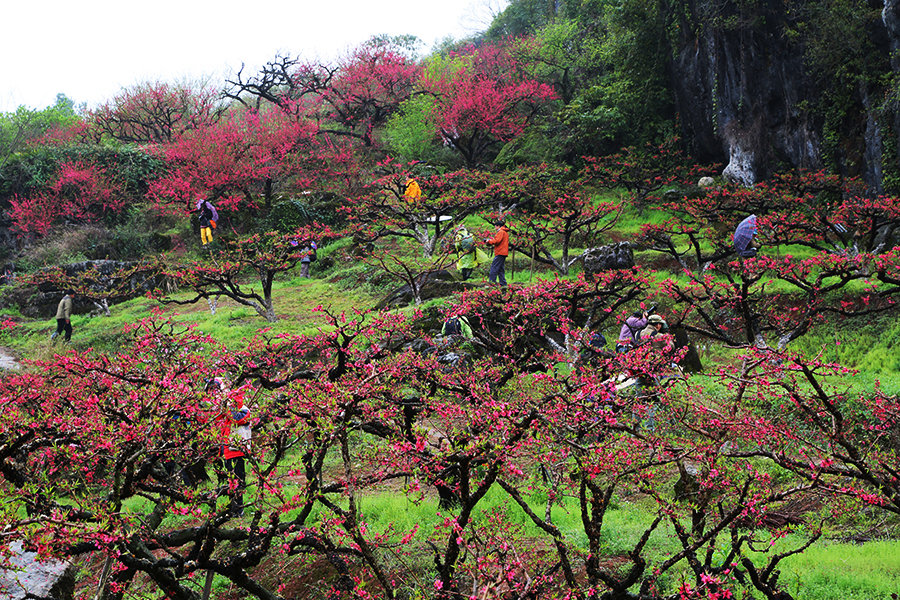
Imagine unfolding a delicate origami crane—each precise fold invites closer attention and patience. Slow travel embodies this artful cadence, transforming journeys into tapestry-like narratives woven with intention, presence, and immersion. More than a mere method of transit, it’s a philosophy that invites travelers to savor the essence of places, fostering intimate connections far beyond the fleeting snapshots of typical tourism. Unhurried and deliberate, slow travel beckons explorers to step off the conveyor belt of haste, embracing richness through mindful wandering. The following seven core principles illuminate this unique approach, revealing why it captivates and transforms every traveler who heeds its call.
1. Embracing Mindful Presence
Slow travel is anchored in the art of mindfulness. Like a skilled musician savoring each note, the traveler tunes into the subtle rhythms of their surroundings. This principle transcends ticking off landmarks; it’s about fully inhabiting every moment. Rather than rushing past historical sites or bustling markets, the slow traveler lingers. The savoring of tastes, sounds, smells, and even the silence contributes to a multisensory encounter. The mundane becomes extraordinary when approached with intentional awareness. This deep presence cultivates a heightened appreciation, allowing the traveler to glean layers of meaning that escape hurried eyes.
2. Prioritizing Local Authenticity

To travel slowly is to peel back the glossy veneer often tailored for mass tourism and seek the soul of a locale. This principle urges travelers to connect with indigenous customs, cuisines, and crafts in their raw, unfiltered forms. Dining in a family-run eatery, engaging in neighborhood traditions, or purchasing handmade goods directly from artisans fosters a dialogue between visitor and community. This authentic exchange enriches both parties and supports sustainable economies. Within local authenticity lies the treasure trove of stories and customs that define the true character of a place.
3. Cultivating Sustainable Engagement
Slow travel’s compass points firmly toward sustainability. It’s not merely a conceptual ideal but a practical commitment to responsible presence. Travelers are encouraged to minimize environmental footprints—choosing eco-conscious transportation such as trains or bicycles, reducing waste, and respecting wildlife and natural habitats. This principle reflects a reverence for the planet’s delicate ecosystems and cultural heritages, seeing travel as a stewardship rather than consumption. In this way, slow travel becomes an act of preservation that ensures the longevity of destinations for future wanderers.
4. Surrendering to Unpredictability
Where fast travel demands a relentless adherence to itineraries, slow travel invites surrender to serendipity. It’s akin to drifting gently down a meandering river, allowing currents to dictate the pace and direction. This principle encourages openness to surprises and the unexpected—a local festival stumbled upon, a conversation with a stranger that pivots the day’s plans, or an unplanned detour through a quiet village. By relinquishing control, travelers discover the magic that lies beyond rigid schedules. This fluidity transforms a trip from a checklist into a living story authored by experience.
5. Deepening Temporal Connection
Slow travel stretches the temporal fabric of a journey, encouraging longer stays and recurrent visits. This principle values depth over breadth—nestling into the daily ebb and flow of a place rather than skimming its surface like a skipping stone. Extended immersion reveals seasonal patterns, evolving relationships, and subtle shifts invisible in passing. It also allows the traveler to transcend the role of a mere visitor, becoming an ephemeral inhabitant who understands the nuances and contradictions that define local life. Time, in this frame, is an ally rather than an adversary.
6. Fostering Interpersonal Bonds
The heart of slow travel beats strongest through human connection. Genuine relationships with residents, fellow travelers, and guides transform a place into a living community rather than a backdrop. This principle emphasizes conversation over selfies, hospitality over isolation. By exchanging stories, customs, and laughter, travelers create bridges of empathy that dismantle cultural barriers. These bonds become the intangible souvenirs carried home—nuggets of shared humanity that enrich one’s worldview and foster lifelong memories.
7. Appreciating the Journey as Destination
In slow travel, the distinction between journey and destination dissolves. Every footstep, every turn of a bicycle wheel, every pause in a park bench is imbued with significance. The process of moving—its rhythms, challenges, and moments of stillness—is part of what defines the trip. This principle celebrates travel as a continuous unfolding rather than a goal to be reached. It prompts travelers to find beauty in the in-between spaces, to explore scenic backroads and hidden corners. Life’s richest experiences often reside not at the endpoint, but along the winding path.
Slow travel is a gentle revolution against the frenetic pace of modern life. It invites us to transform journeys into living poems—moments woven with intention, depth, and connection. By embracing these seven principles, travelers uncover new dimensions of exploration: a dance of presence and wonder where every step tells a story, every encounter is a gift, and every destination becomes a cherished chapter in the soul’s voyage.