In a world where productivity is fetishized and rest is relegated to the realm of indulgence, the notion of a machine reminding you to pause sounds almost heretical. Yet here we are, at the cusp of a paradigm shift where artificial intelligence is assuming the role traditionally reserved for personal discipline and self-awareness: the curator of your downtime. This is not merely a convenience; it’s a revolution in how we perceive rest, productivity, and ultimately, the sanctity of human mental and physical rejuvenation. The AI that plans your downtime promises something far greater than mere scheduling—it offers a recalibration of priorities, a redefinition of balance in a relentlessly accelerating world.
The Invisible Crisis: Why You Forget to Rest
It’s a paradox of modern life that the very tools designed to simplify existence often enslave us in a ceaseless cycle of busyness. The digital age blurs the lines between work and personal life, crafting an insidious environment where “always-on” is no longer a choice but a default setting. Our cultural valorization of hustle champions exhaustion as a badge of honor, and anywhere in this maelstrom of deadlines and distractions, rest becomes an afterthought—or worse, a guilty secret.
Rest is not a luxury; it’s essential for cognitive function, emotional resilience, and long-term wellbeing. Yet, without external intervention, most people forget to rest or neglect it entirely. The brain’s reward system often prioritizes immediate accomplishments over deferred benefits like recuperation. Consequently, downtime is sacrificed on the altar of short-term productivity, rendering rest an elusive myth rather than a viable strategy.

The AI Architect of Rest: More Than a Scheduler
Imagine an algorithmic steward who knows your body clock better than you do. One who observes your energy ebbs and surges, understands your emotional undulations, and anticipates burnout before it overwhelms you. This isn’t fantasy—it’s the dawning reality of AI-driven downtime management. Rather than treating rest as a static, one-size-fits-all prescription, modern AI adapts dynamically, weaving rest into your lifestyle with surgical precision.
These systems go beyond traditional calendar notifications, integrating biometric data, behavioral patterns, and even environmental factors. They decipher when your brain starts to scatter, when your muscle microtears call for repair, and when your mental acuity dips below safe thresholds. The AI is not just scheduling breaks; it is choreographing a comprehensive symphony of recovery tailored uniquely to you.
Redefining Productivity: Quality Over Quantity
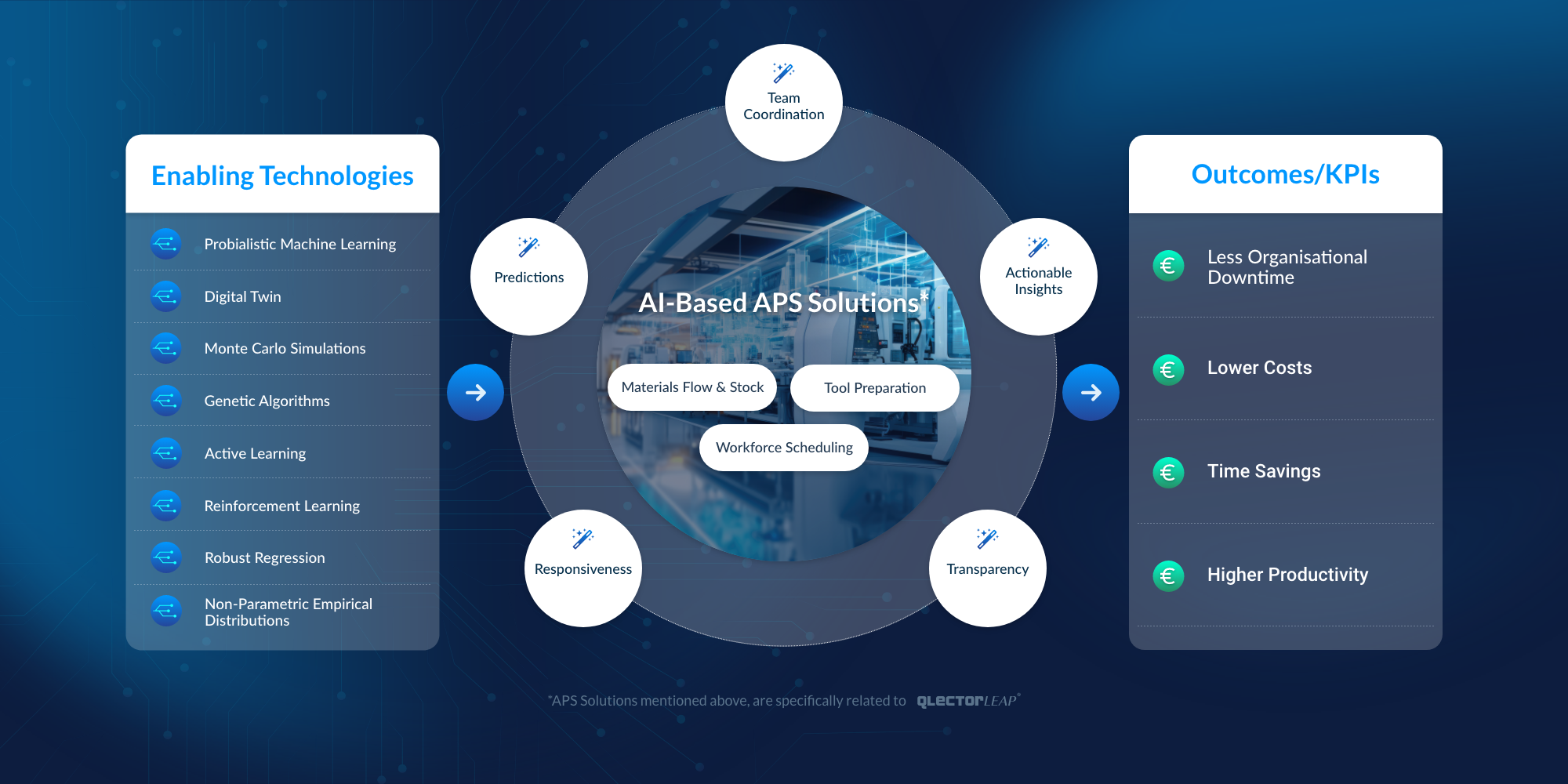
We’ve long equated productivity with relentless activity and visible output. The AI that plans downtime directly challenges this archaic equation, asserting that sustainable performance hinges on balance. In industrial sectors—where even a single minute of downtime can cascade into millions in lost revenue—AI’s nuanced planning helps avoid the catastrophic costs of burnout by scheduling preventive maintenance and strategic pauses.
Similarly, for the individual, the shift is profound. Productivity becomes synonymous with clarity, creativity, and sustainable energy. It is not about squeezing more hours out of a day, but about supercharging the hours you are awake and engaged. The AI becomes a silent partner, helping recalibrate the human-machine complex, where the “machine” is your body and mind demanding respect and attention.
From Obligation to Invitation: Changing the Narrative Around Rest
The AI-driven approach does more than just optimize schedules—it transforms how rest is perceived. When an artificial intelligence insists on downtime, it reframes rest from being an optional interruption to an imperative, inviting you to experience rest as a necessary flourish of life’s rhythms rather than a bureaucratic pause.
This shift invites curiosity and self-exploration. Why does your mind wander at this specific hour? What subtle signals did you miss that signaled fatigue? What secret renaissance could unfold if rest were woven seamlessly into your day? AI, ironically, is not just planning your rest—it is teaching you to honor it.
The Ethical Dimensions: Surveillance, Autonomy, and Trust
Of course, entrusting a machine with such intimate stewardship invites profound ethical questions. How much data should your AI rest planner have? Could this algorithmic dictator veer from caretaker into overseer? The promise of AI-driven downtime management is inseparable from debates on autonomy and privacy.
Transparency and consent become non-negotiable. The future of these systems hinges on trust—ensuring that your personal rhythms are respected, not exploited. The ideal AI collaborator empowers without infantilizing, prompts without coercing, and enhances self-awareness without undermining autonomy.
Looking Ahead: The Dawn of Rest-Conscious Living
The AI that plans your downtime is not a distant utopia but an unfolding reality poised to reshape our relationship with work and rest. Its promise lies not just in efficiency but in a more humane world where rest is measured, managed, and most importantly, cherished.
It’s a call to reset the dialogue around success, urging a collective awakening from the myth that relentless toil equals virtue. Imagine a society where your hardest decision is not whether to work more or rest—but how to savor the nuanced dance between both. The AI is here to guide, reminding us that sometimes the wisest move is to pause, breathe, and simply be.