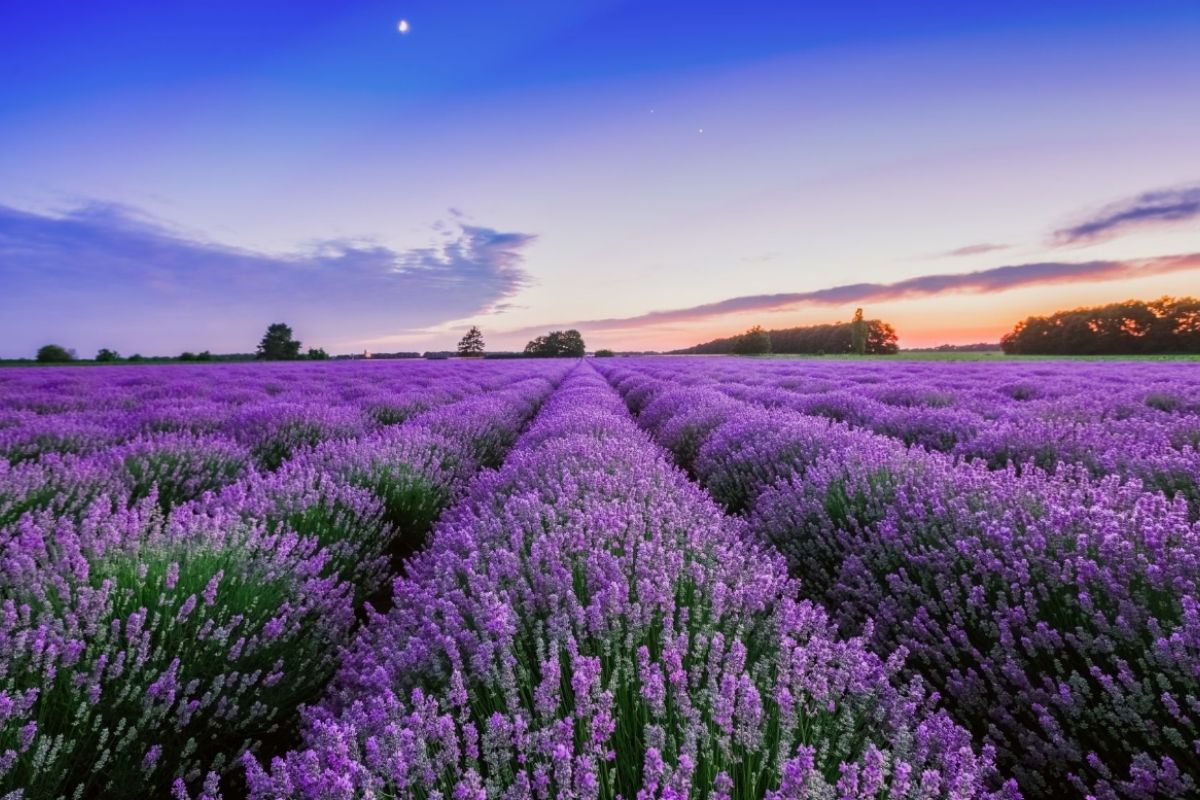
The UK may not be the first destination that springs to mind when you think of lavender, yet its rolling hills and coastal cliffs hide vibrant, aromatic landscapes that rival those of Provence. From historic estates to hidden garden sanctuaries, the country’s lavender fields offer a fresh perspective on British horticulture, inviting travelers to explore scent‑laden panoramas, seasonal festivals, and the quiet craftsmanship behind each bloom. Below is a guide to the most compelling UK lavender locations, each promising a shift in perspective and a reason to linger.
1. The Lavender Farm, Newburgh, North Yorkshire
Set against the backdrop of the Yorkshire Dales, The Lavender Farm in Newburgh spans over three acres of meticulously planted lavender rows. Visitors can wander the fragrant pathways, enjoy guided tours that detail soil preparation and pruning techniques, and purchase high‑quality essential oils directly from the source. The farm’s seasonal lavender festival features live music, artisanal stalls, and opportunities to create custom sachets, making it a sensory immersion that challenges the stereotype of lavender as a purely French phenomenon.
2. Love Lavender, Welcombe, Cornwall
Nestled near the Atlantic coast, Love Lavender occupies a former dairy farm turned aromatic haven. Its 12‑acre field blooms in a striking violet hue each summer, while the on‑site shop offers candles, soaps, and culinary lavender products. In addition to the visual spectacle, the farm runs workshops on lavender-infused cooking, allowing guests to taste the herb’s subtle sweetness in soups, desserts, and even cocktails. The coastal breeze adds a briny undertone to the scent, creating a uniquely British aromatic profile.
3. Hilltop Lavender, Bledlow, Buckinghamshire
Perched on a chalky hill overlooking the Chilterns, Hilltop Lavender blends historic architecture with modern agritourism. The estate’s lavender rows are planted in a historic pattern dating back to the Victorian era, providing a living museum of British horticultural practices. Visitors can explore heritage garden pathways, attend lectures on the evolution of lavender cultivation in England, and sample lavender-infused teas in a period‑style tea room that mirrors the estate’s 19th‑century roots.
4. St. Lawrence Lavender Farm, Somerset
Located in the heart of Somerset’s rolling countryside, St. Lawrence Lavender Farm is renowned for its organic cultivation methods. The farm boasts a mosaic of lavender varieties, including English, French, and Spanish cultivars, allowing visitors to compare scent profiles side by side. Seasonal workshops teach sustainable harvesting and the creation of natural dyes, highlighting the ecological benefits of a lavender‑centric approach to farming and adding a layer of environmental curiosity to the visitor experience.
5. The Lavender Maze, Gower Peninsula, Wales
Set within the UNESCO‑designated Gower heritage coast, The Lavender Maze offers a playful twist on the traditional garden experience. The labyrinthine pathways wind through dense lavender hedges, challenging visitors to navigate while absorbing the calming aroma. At the maze’s heart, a glass‑walled pavilion serves lavender‑infused refreshments, encouraging travelers to pause and reflect on the sensory journey—a stark contrast to the more serene, linear fields found elsewhere in the UK.
6. Lavender at the Lost Gardens of Heligan, Cornwall
The Lost Gardens of Heligan, famed for its sub‑tropical microclimate, include a dedicated lavender section that thrives thanks to the garden’s sheltered position near the Atlantic. The lavender beds are interspersed with heritage fruit trees, creating a multifaceted landscape where scent, sight, and taste intersect. Guided tours emphasize the historical trade links between Cornwall’s maritime heritage and Mediterranean spice routes, illustrating how lavender became woven into the region’s horticultural tapestry.
7. Lavender Walk, Dunsfold, Surrey
Part of the Dunsfold Aerodrome’s public walking paths, the Lavender Walk offers a surprising burst of fragrance amid an industrial setting. The former airfield’s flat expanse provides ideal drainage for lavender, resulting in rows of vibrant blooms that contrast sharply with the surrounding runway remnants. Interpretive signage explains the site’s post‑war transformation from military use to agricultural rejuvenation, prompting visitors to reconsider the adaptive potential of British landscapes.
8. The Heritage Lavender Fields, Lytham St Annes, Lancashire
Located on the north‑western coast of England, the Heritage Lavender Fields of Lytham St Annes are celebrated for their heritage varieties, some of which date back to the early 20th century. The fields are part of a larger coastal garden complex that also includes sea lavender and native grasses. Seasonal photography workshops capture the interplay of light, mist, and lavender’s violet hue, encouraging a deeper appreciation of the region’s atmospheric conditions that influence plant growth.
9. Lavender Festival at Gillingham Hall, Norfolk
Gillingham Hall’s annual Lavender Festival transforms the historic estate’s grounds into a fragrant showcase of over five acres of lavender. The event features live demonstrations of lavender shearing, traditional distillation methods, and culinary tastings that pair lavender with locally sourced cheeses and honey. The hall’s historic architecture provides a striking backdrop, illustrating how contemporary lavender cultivation can coexist with England’s aristocratic heritage.
10. The Lavender Trail, Scottish Borders
Spanning several small farms across the Scottish Borders, the Lavender Trail invites hikers to follow a marked route that links pockets of lavender cultivation with scenic lochs and rolling hills. Each stop includes informational panels detailing the challenges of growing lavender in Scotland’s cooler climate and the innovative use of windbreaks and heated beds. The trail culminates at a community distillery where visitors can sample lavender‑infused whisky, marrying traditional Scottish spirit production with the herb’s delicate aroma.
11. Lavender at the Royal Botanic Garden, Edinburgh
Within the world‑renowned Royal Botanic Garden, the lavender collection showcases a curated selection of species from both temperate and Mediterranean climates. The garden’s controlled microclimates allow for experimental cross‑breeding, and the associated research center publishes findings on lavender’s pollinator relationships. Visitors can attend specialized lectures and explore the adjoining herb garden, gaining insight into the scientific underpinnings of lavender’s resurgence in northern horticulture.
12. Lavender & Honey Farm, Cheddar, Somerset
Located near the iconic Cheddar Gorge, the Lavender & Honey Farm combines two of nature’s sweetest products. Bees are kept in hives placed strategically among the lavender rows, resulting in a uniquely floral honey harvested each season. The farm offers tasting sessions that highlight the synergy between lavender’s subtle notes and honey’s golden richness. Educational tours explain the mutual benefits of pollination, encouraging visitors to view lavender fields as vital ecological partners rather than mere ornamental plots.