Welcome to an exploration of the enigmatic allure of mental health retreats, where neuroscience unfurls its tapestry upon the canvas of human psychology. Imagine a sanctuary, not merely a physical space but a neurological haven designed to recalibrate our mind’s symphony.
The Neurological Tapestry: Weaving Serotonin and Dendrites
In the intricate ballet of neurons, serotonin pirouettes across synapses, orchestrating joy and tranquility. Mental health retreats, akin to maestros, conduct this silent orchestra, amplifying neurotransmitter harmonies that diminish stress and augment well-being. The brain’s plasticity—its capacity for change—becomes a canvas upon which retreat experiences paint new pathways of resilience and recovery.

Sensory Sanctuary: The Olfactory Labyrinth
Imagine entering a room where the air is infused with calming lavender, each inhalation gently coaxing the amygdala—the fear hub of our brain—into a state of repose. Sensory deprivation and stimulation, orchestrated by the retreat’s design, provide a neurotopographic journey that guides participants through the labyrinthine pathways of sensory input to serene emotional landscapes.
Solitude in Community: The Paradoxical Comfort
The paradox of solitude within community is akin to a Zen garden—individual stones (people) nestled together, each contributing to a harmonious whole. Retreats foster this paradox, allowing personal introspection while nurturing collective support. This unique blend cultivates an environment where the solitubility of individual thought coexists with the communal warmth essential for emotional fortification.
The Ritual Reboot: Neurological Reset Button
Rituals, whether morning meditations or evening gratitude circles, act as a neurological reset button. They imprint predictable sequences into our neural circuits, reinforcing behavioral patterns that soothe anxiety and enhance mood stability. Such routines, embedded in the retreat’s daily rhythm, recalibrate cortisol levels—our body’s stress hormone—promoting a state of neurologically serene equilibrium.

Creative Catharsis: The Aesthetic Nourishment of the Mind
Art therapy within retreat settings becomes a conduit for emotional expression, channeling thoughts that resist verbal articulation. Engaging in creative activities stimulates multiple brain regions simultaneously—visual, motoric, and limbic—allowing suppressed emotions to surface, be acknowledged, and gradually relinquished. This cathartic creativity nurtures an inner dialogue that is both profound and liberating.
The Echoes of Nature: Biophilic Resonance
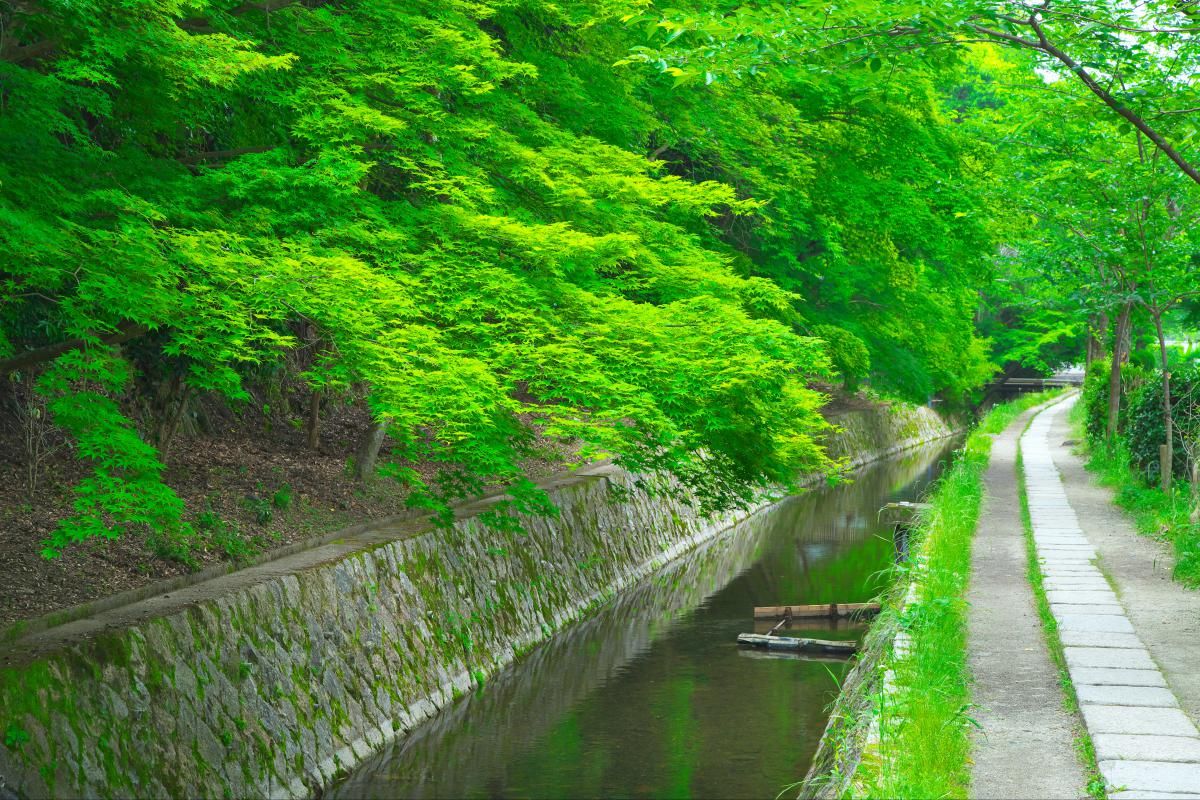
Nature’s embrace at a retreat—be it the rustling leaves or the flowing river—is not mere backdrop; it is an active participant in our neurological well-being. The biophilic connection forged through exposure to natural elements triggers the brain’s restorative processes, reducing mental fatigue and enhancing cognitive function. This communion with nature acts as a neurobiophilic bridge, linking human psyche with planetary vitality.

Closing the Circuit: Integration and Ongoing Impact
The true essence of a mental health retreat lies in its ability to transition participants from sanctuary back into the daily hustle. By fostering skills such as mindfulness, self-awareness, and stress resilience, retreats equip individuals with tools that persist long after the physical departure. This neurological integration ensures that the benefits ripple outward, enhancing personal and professional spheres of life.
In conclusion, the psychology behind mental health retreats is a multifaceted interplay of neuroscience, sensory engagement, communal solitude, ritual, creativity, biophilic resonance, and lifelong integration. These elements collectively forge an experience that transcends mere escapism, offering profound and lasting impacts on the human psyche.