Traveling alone is an intense journey into oneself—a dance between chaos and control, spontaneity and strategy. Yet, beneath the allure of distant horizons and the intoxicating promise of discovery lies an omnipresent specter: the budget. It clings stubbornly to every itinerary, a silent margin between liberty and limitation. The magnetic pull of meticulously crafted budgets reflects more than mere financial management; it delves into the deeper human obsession with mastering the unpredictable through numbers, charts, and algorithms. In this intricate dance, the “Ultimate AI Budget Template” emerges not simply as a tool, but as a companion—offering clarity, precision, and a subtle whisper of certainty amid the swirling unknowns of any trip length.
Why Budgeting Captivates the Solo Traveler’s Mind
There’s a peculiar fascination in mapping out expenditures before one even steps out the door. For some, it’s the art of anticipation; for others, a bulwark against financial chaos. Budgeting transcends practicality—it becomes a psychological anchor. It allows the solo traveler to envision control over an inherently uncontrollable variable: unforeseen expenses. This compulsion, rooted in the hope that foresight can temper spontaneity, morphs the budget into a narrative blueprint for the journey itself.
Travel, with its mercurial flare, unearths discomfort in unpredictability. Hence, the endless tweaking of budget spreadsheets, the hunt for the perfect formula that will reconcile wanderlust with fiscal reality. It is within this tension that the AI-powered budget template stakes its claim—performing an alchemy that transforms guesswork into precision, while still leaving room for the serendipitous moments every traveler craves.
Harnessing Artificial Intelligence for Unmatched Precision
Gone are the days of static, cumbersome Excel sheets and mental math riddled with human error. AI-infused budget templates revolutionize this mundane chore by absorbing mountains of data—from fluctuating currency rates to seasonal price variances—instantly recalibrating expenses with razor-sharp accuracy. More than a calculator, it is an omniscient oracle, anticipating the financial ebbs and flows of your voyage.
Imagine a tool that doesn’t merely record costs but contextualizes them—prompting adjustments based on travel length, destination-specific cost variables, and personal spending habits. This enhanced precision dispels the fog of uncertainty that shadows every trip planning process. The result? A budget that breathes and adapts, rather than rigidly constrains.
Adapting to Trip Length: Flexible Architecture for Every Journey
One-size-fits-all approaches have no place in the realm of travel. A weekend getaway demands divergent financial logic compared to a month-long nomadic adventure. The ultimate AI budget template boasts a chameleonic architecture designed to scale effortlessly. It digests trip duration as a fundamental input and dynamically redistributes resources accordingly.
Short trips focus budgets on immediate logistics—flights, accommodations, and high-impact activities. Longer excursions require meticulous division between sustenance, transient comforts, visa fees, and potential emergencies. This adaptability isn’t just convenience; it’s a foundational necessity that underwrites the very viability of any itinerary. Without it, budgets become cumbersome relics, irrelevant to the real-world fluidity of travel.
Comprehensive Expense Categories: Encompassing the Unexpected
A fragmented budget is an invitation to anxiety. The true prowess of a superior AI budget template lies in its exhaustive financial taxonomy, leaving no expense uncharted. From mundane meals to spontaneous excursions, from local transport to digital connectivity, every item finds its place. Even less obvious costs—like tipping customs, laundry services, or last-minute medication—are anticipated and factored in.
Layered atop this detailed categorization is the AI’s analytical prowess, capable of suggesting cost-saving alternatives or flagging potential budget overruns. It sharpens awareness, ensuring surprise costs do not mushroom into trip-derailing catastrophes. Such foresight is indispensable for solo travelers, whose risk tolerance rarely extends into draining their life savings.
Incorporating Emotional Variables: Beyond Numbers
Interestingly, an ultimate budget must transcend dry calculations to acknowledge the emotional choreography of travel. The AI template integrates subjective inputs—like personal desire for luxury versus austerity, risk appetite, and the value placed on experience versus comfort. These parameters infuse the budgeting process with nuanced sensitivity.
This empathetic calibration helps travelers reconcile their internal conflicts: the yearning for indulgence when surrounded by new cultures versus the caution demanded by finite resources. By encoding these intangible variables, the budget becomes less a cold ledger and more a reflection of one’s travel psyche.
Real-Time Tracking and Adaptive Recalibration
What separates the ultimate AI budget template from traditional budgeting tools is its real-time responsiveness. Expenses entered on the go instantaneously update the overall financial picture. This dynamic tracking catalyzes smarter decisions during the trip itself, avoiding the common pitfall of unchecked extravagance or inadvertent austerity.
Such adaptability ensures a balanced journey, maintaining equilibrium between planned expenditures and emergent opportunities. When the chance for an unplanned but irrepressible detour arises, the budget flexes, showing clearly which areas can afford trimming, and which must remain sacrosanct. This ongoing dance between rigidity and fluidity embodies the essence of mindful solo travel.
Visualization and User Experience: The Power of Intuitive Design
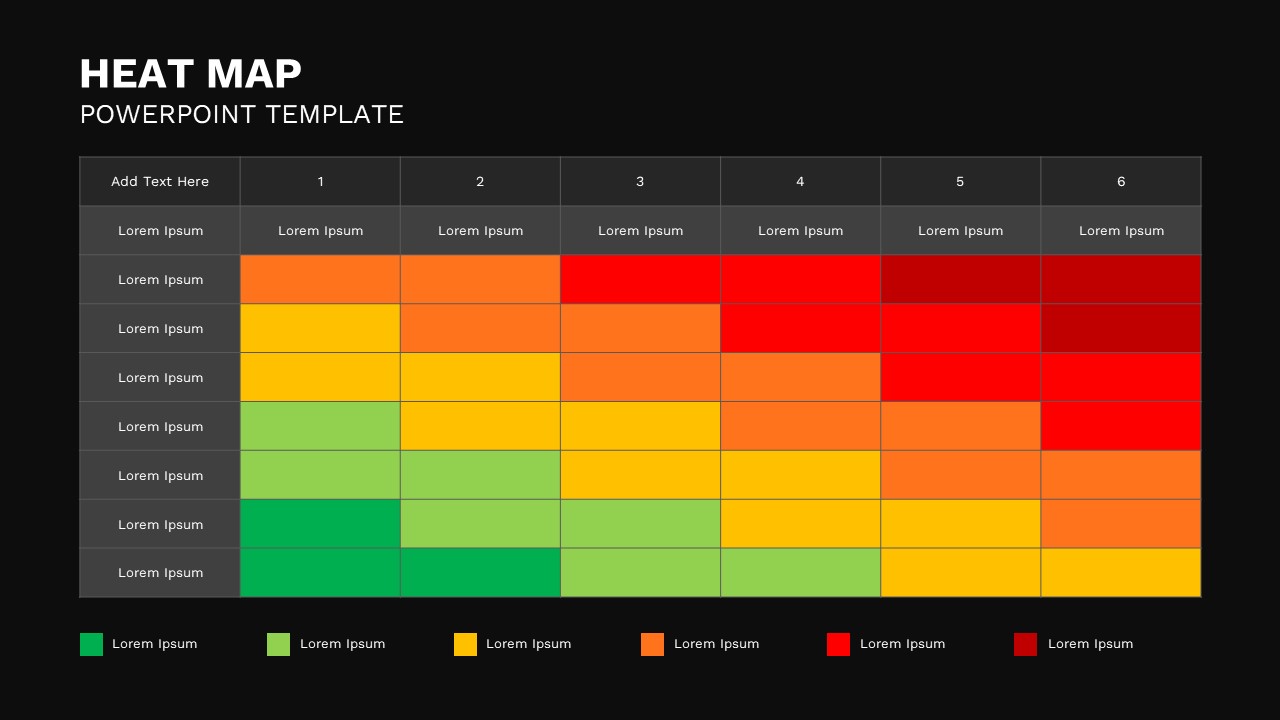
An intricate budget is only as effective as its accessibility. The AI template leverages visualization tools—interactive charts, progress bars, and color-coded alerts—to foster an immediate grasp of financial status. This vivid digital tapestry turns daunting numbers into digestible insights, reducing cognitive overload.
The user experience is meticulously crafted to cater to travelers whose focus is better spent on exploration rather than number crunching. Intuitive interfaces and mobile synchronization mean the budget never feels like an anchor but rather a quietly supportive companion during restless journeys.

Final Thoughts: The Budget as a Travel Narrative
In its essence, the ultimate AI budget template is more than code and algorithms—it is a storyteller. It narrates the financial saga of your journey, balancing pragmatism and passion, discipline and freedom. It arms the solo traveler with foresight yet honors the unpredictability that defines travel’s very heartbeat.
By embracing such a template, one doesn’t merely balance books or tally expenses—they sculpt a travel experience that’s both richly immersive and sustainably grounded. The fascination with budgeting isn’t merely about money; it is about taming the sublime chaos of adventure into a form where dreams meet reality, and every dollar spent is a deliberate step toward stories worth telling.