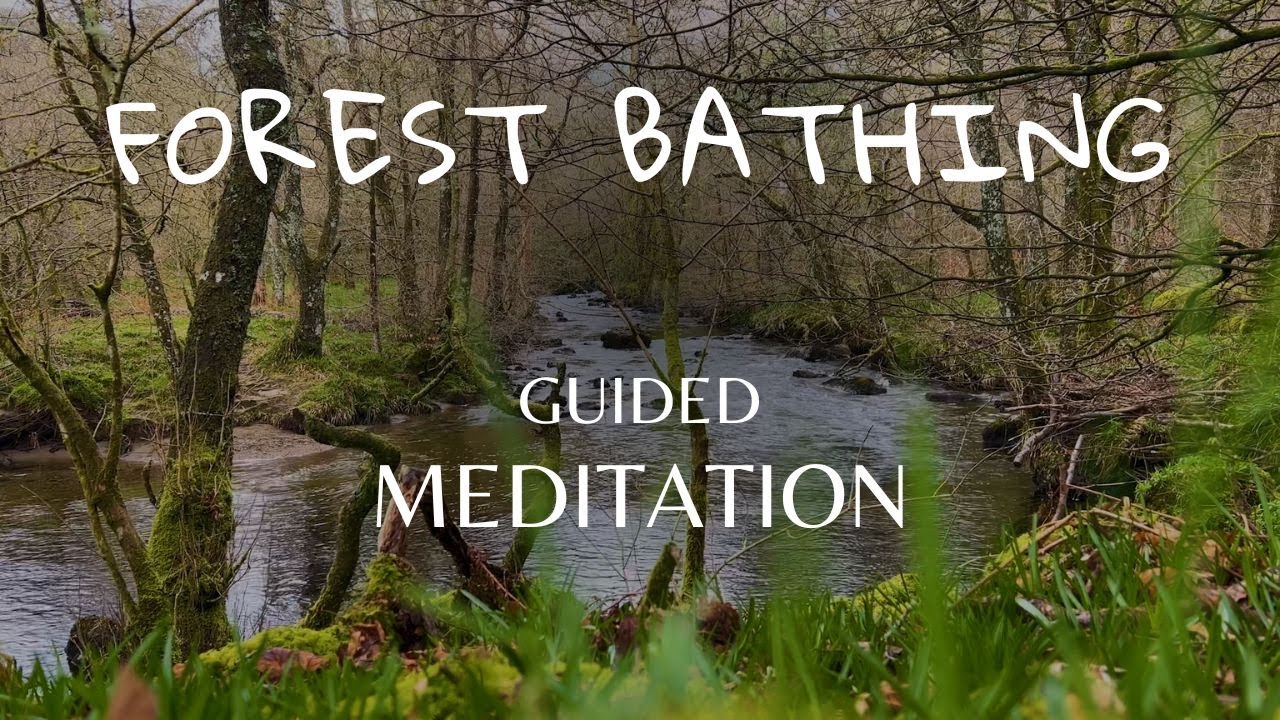
Imagine strolling through an emerald cathedral, where each whispering leaf and rustling underfoot is a symphony composed by nature herself. This is “forest bathing,” or shinrin-yoku, a practice born in Japan that has quietly infiltrated the corridors of health insurance plans worldwide. Why? Because beneath its tranquil facade lies a potent elixir for both body and soul—an invitation to pause, breathe deeply, and reconnect with the wild heart of our planet.
The Japanese Genesis: A Cultural Confluence
In 1980, amidst Japan’s relentless economic surge, a paradox emerged: despite affluence, public health faltered. Stress-related ailments proliferated, prompting the Ministry of Agriculture, Forestry and Fisheries to pioneer “shinrin-yoku”—forest bathing—to counteract this malaise. The concept was audacious: prescription of nature immersion as preventive medicine.

Empirical studies soon validated the ministry’s intuition. Blood pressure, cortisol levels—markers of stress—declined significantly post-immersion. The forest’s phytoncides (nature’s own antimicrobials) were credited, as was the psychological solace derived from being enveloped by an ancient cathedral of foliage.
Insurance Industry Adoption: From Curiosity to Credential
The insurance industry, perpetually chasing cost-effective wellness solutions, took notice. In Japan, health insurers began offering subsidies for forest bathing programs in 2004. Participants could visit designated “forest therapy trails,” with claims reimbursed up to ¥11,000 (approximately $100 USD) annually.

This move was pragmatic yet profound. By externalizing the cost of preventive care—transforming an experiential retreat into a quantifiable expense—the insurers incentivized public participation, thereby reducing long-term healthcare expenditures while fostering community well-being.
Global Expansion: A Universal Language of Healing
Japan’s model catalyzed international curiosity. Countries ranging from South Korea to Canada have since incorporated forest bathing into their health insurance frameworks. The rationale is consistent: in an era dominated by screens and speed, nature offers a counter-narrative—an antidote to the digital deluge.

However, the global adoption faces challenges. Defining “qualifying forests” necessitates rigorous ecological criteria to ensure authenticity. Moreover, cultural nuances dictate that forest bathing must resonate as therapeutic—not merely recreational—to merit insurance coverage.
The Science Behind the Serenity: Why It Works
Beneath the metaphorical canopy lies a biochemical ballet. Phytoncides emitted by trees activate our body’s immune system—specifically, Natural Killer (NK) cells—enhancing viral defense mechanisms. Concurrently, exposure to ambient negative ions in forests escalates serotonin production, a neurotransmitter linked to mood elevation and stress mitigation.

Cognitively, the “soft fascination” of nature—a gentle captivation not demanding focus—lowers mental fatigue. Neurologically, forest sounds trigger a relaxation response, evidenced by reduced brain alpha-wave activity associated with drowsiness yet indicative of lowered stress.
The Unique Appeal: More Than Meets the Eye
Fundamentally, forest bathing is an invitation to engage with the world in full sensory communion—a rare privilege in our hyper-connected age. It transcends physical health benefits, fostering existential renewal. In this green sanctuary, one confronts mortality not through dread but through reverence for the enduring pulse of life.

Moreover, it democratizes nature therapy. Unlike elite wellness retreats—a purveyor’s playground—forest bathing is accessible to all, requiring only curiosity and the willingness to step off paved paths into the verdant embrace of the natural world.
Conclusion: A Prescription for the Planet
In an epoch where healthcare systems grapple with sustainability, Japan’s forest bathing model offers a prescriptive beacon. It harmonizes individual wellness with ecological stewardship—a symbiosis imperative for our collective future. As more insurers embed this practice into their portfolios, we inch closer to a world where stepping into nature is not just a leisurely choice but a validated necessity.

Thus, the next time you find yourself amidst towering sentinels of pine and maple, pause. Breathe deeply. You are not merely taking a walk; you are partaking in an ancient contract between humanity and habitat—a pact sealed by insurer and land alike, promising renewal for body, mind, and planet.