There is something profoundly humbling and transformative about gazing at the night sky—the boundless expanse of stars, constellations, and celestial phenomena inviting us to rethink our place in the cosmos. For many, stargazing is a quiet journey toward wonder and introspection. Yet, this celestial communion has often been hindered by physical barriers. Fortunately, the advent of inclusive astro travel has made it possible for everyone, including those using wheelchairs, to embark on this mesmerizing voyage. The following guide explores twelve exceptional locations around the world, each offering accessible stargazing experiences that promise both comfort and awe, proving that the universe indeed belongs to all.
1. Mauna Kea Observatories, Hawaii
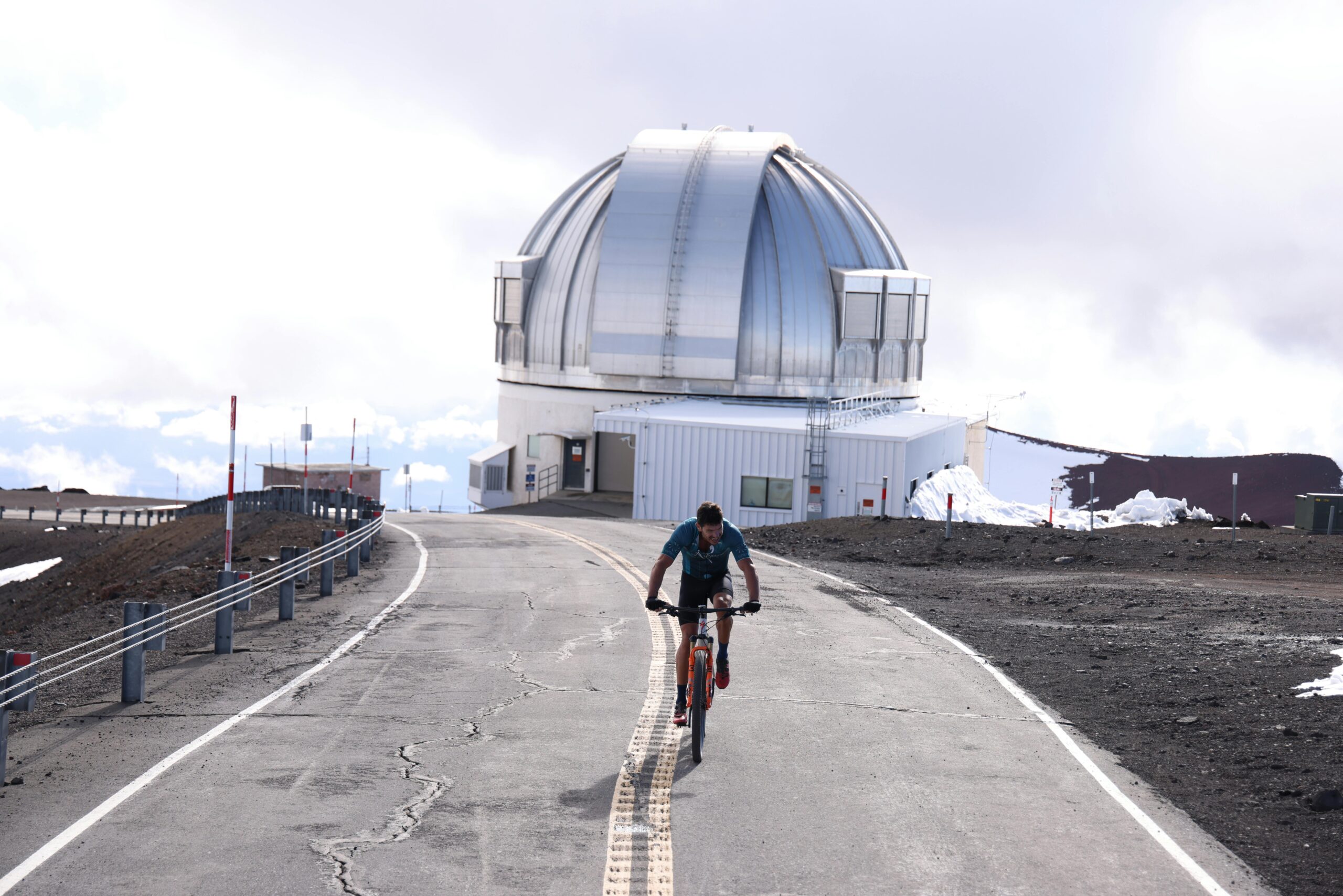
Perched atop the Big Island, Mauna Kea is more than just a dormant volcano—it is one of the world’s premier astronomical observation sites. Its high altitude and remarkably clear skies provide unrivaled views of the cosmos. Accessibility efforts have ensured pathways and viewing platforms accommodate wheelchair users, allowing visitors easy access to the summit area. The visitor center also offers accessible exhibits that explain the significance of Mauna Kea in both scientific and cultural contexts, enriching the stargazing experience beyond mere observation.
2. Griffith Observatory, Los Angeles, California
Griffith Observatory stands as a beacon of public astronomy in an urban environment. Its accessible design features ramps, elevators, and wheelchair-friendly telescopes. The facility welcomes visitors with a range of interactive exhibits and informative programs designed to deepen understanding of the night sky. The light pollution of LA can sometimes interfere with distant stargazing, but the observatory’s strategic location and powerful telescopes create access to planets, nebulae, and star clusters that might otherwise remain hidden.
3. Cherry Springs State Park, Pennsylvania
Known as one of the darkest spots on the East Coast, Cherry Springs State Park offers an unparalleled celestial spectacle. Accessibility has been thoughtfully integrated with paved trails and designated wheelchair-accessible viewing platforms. The park hosts regular astronomy programs, where visitors can engage with knowledgeable guides. The absence of light pollution here reveals the Milky Way in all its glory, inviting a sense of cosmic wonder that transcends everyday perception.
4. Jodrell Bank Observatory, United Kingdom
Famous for its iconic Lovell Telescope, Jodrell Bank Observatory offers a unique blend of scientific heritage and accessible stargazing. The site is equipped with ramps, accessible restrooms, and tactile exhibits designed for an inclusive educational experience. Evening stargazing events often feature specialized accommodations to assist wheelchair users, ensuring that everyone can share the magic of discovering distant galaxies, pulsars, and other celestial phenomena.
5. Death Valley National Park, California and Nevada
Death Valley’s extraordinary desert landscape isn’t just a testament to earthbound extremes—it’s also a sanctuary of dark skies. Several designated stargazing spots within the park have been made accessible, including ramps and smooth viewing areas suitable for wheelchairs. The stark beauty of the desert under the star-studded canopy heightens the sensation of insignificance and grandeur, a perspective shift that lingers long after the night ends.
6. ESO’s Paranal Observatory, Chile
Nestled in the Atacama Desert, Paranal Observatory is situated in one of the clearest, driest places on Earth, ideal for astronomy. Though primarily a research facility, it has embraced accessibility by offering guided tours that include wheelchair-compatible trails and viewing platforms. Visitors here can witness the southern skies’ spectacular constellations, including the Magellanic Clouds, which are invisible from northern hemispheres. It’s a chance to connect with the universe in ways rarely accessible elsewhere.
7. Big Bend National Park, Texas
Big Bend possesses some of the darkest skies in the continental United States and has been dedicated to creating accessible opportunities for all. The park’s Corazón Vista Overlook offers paved paths and designated accessible stargazing areas. The remote location reduces light pollution drastically, allowing the stars to shine brilliant and clear. The wide horizon and the quietude of the desert invoke an almost meditative state, pulling visitors deep into the cosmic narrative.
8. Kielder Observatory, United Kingdom
Set in the Northumberland International Dark Sky Park, Kielder Observatory is an award-winning center devoted to public astronomy. It features ramps, accessible toilets, and an accessible stargazing area, ensuring visitors with mobility challenges are fully included. The observatory frequently hosts workshops and star parties, providing tactile models and audio descriptions that heighten the experience of the cosmos, appealing to all senses beyond sight alone.
9. Brecon Beacons National Park, Wales
With its internationally recognized dark skies, Brecon Beacons National Park has embraced accessibility by implementing wheelchair-friendly paths and stargazing platforms at key vantage points. The park offers guided nighttime experiences that combine local folklore with scientific insights, enriching the encounter. The enveloping darkness and the vast expanse of visible stars encourage a profound shift in perspective, pushing visitors toward an intimate understanding of nature’s grand design.
10. National Astronomical Observatory of Japan, Mitaka
The Mitaka facility blends cutting-edge astronomy with inclusivity. Its grounds include wheelchair-accessible galleries and observation points. Interactive exhibits and planetarium shows deliver immersive learning experiences. While situated in a well-populated area, evening stargazing events use advanced telescopes and digital displays to overcome light pollution challenges. Visitors leave with both technical understanding and the haunting, poetic allure of the universe etched in memory.
11. Barre des Écrins, French Alps
For those who find magic in the marriage of mountains and stars, the French Alps offer a surreal panorama. The Barre des Écrins area includes accessible mountain refuges and viewing terraces designed for wheelchair users. The alpine elevation and sparse light sources enhance visibility to unprecedented levels. Framed by towering peaks, the universe unfolds in spectacular relief—its vastness underscored by the intimacy of human ingenuity making such access possible.
12. Aoraki Mackenzie Dark Sky Reserve, New Zealand
Spanning a vast region of South Island, the Aoraki Mackenzie Dark Sky Reserve offers pristine nighttime conditions ideal for stargazing. Accessibility is integrated into various visitor centers and lookout points, many featuring paved paths and sensory exhibits. The site is renowned for spectacular views of the Southern Cross and other unique southern hemisphere celestial objects. Here, the blend of Maori cultural heritage and scientific exploration creates a stargazing experience that resonates deeply, inviting reflection on the cosmic and the earthly alike.