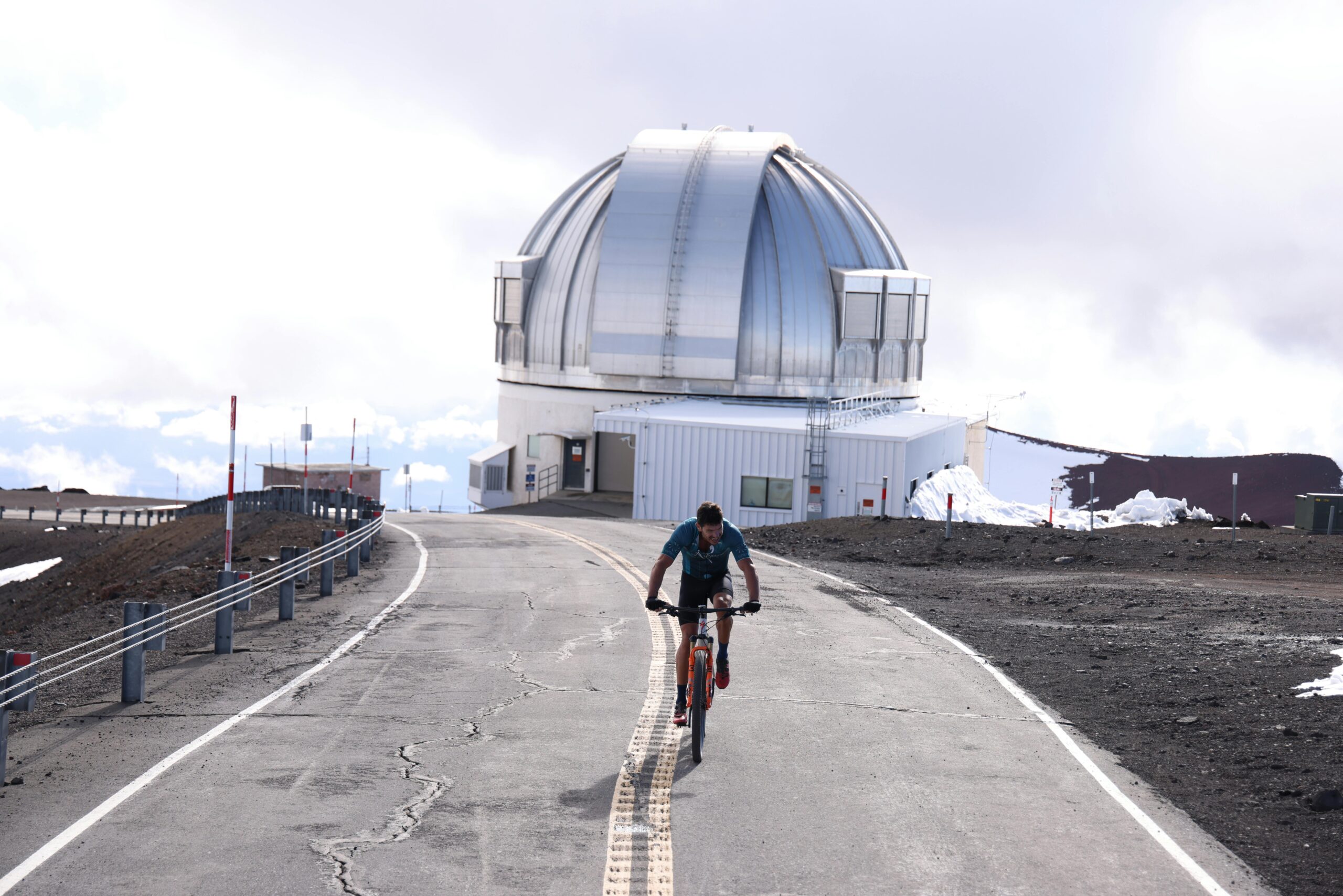
For amateur astronomers, the allure of the night sky offers both mystery and revelation. The silent canvas above is painted with stars, nebulae, and galaxies, waiting to be explored through telescopes and binoculars. Astronomy travel combines the thrill of discovery with the beauty of natural landscapes, making it an enchanting pursuit. From desert plains to mountaintops and isolated islands, the world hosts a myriad of destinations uniquely suited for stargazing and celestial observation. This guide unveils the 15 best astronomy travel destinations, each offering distinctive experiences and opportunities for enthusiasts eager to deepen their astronomical journey.
1. Mauna Kea, Hawaii – The Pinnacle of Astronomy
Mauna Kea’s summit is revered among astronomers worldwide for its exceptional atmospheric clarity and minimal light pollution. Situated over 13,000 feet above sea level, it sits above the clouds, providing almost uninterrupted views of the cosmos. Amateur astronomers here can participate in guided stargazing tours and even glimpse the Milky Way’s intricate band across a pitch-black sky. The destination combines volcanic geology with a celestial tapestry, enriching the experience beyond typical observation.
2. Atacama Desert, Chile – The Driest Sky on Earth
The Atacama Desert offers some of the most consistent, clearest skies on the planet, owed to its extreme aridity and high altitude. Home to many professional observatories, this stark yet surreal landscape offers visitors epic night vistas that reveal constellations in startling detail. Amateur observers can access public observatories or join expert-led night safaris to view phenomena such as the Andromeda Galaxy and the Southern Cross, usually invisible from northern hemispheres.
3. Jasper National Park, Canada – A UNESCO Dark Sky Preserve
Jasper’s designation as a dark sky preserve means artificial lighting is constrained to maintain optimal darkness. Nestled in the Rocky Mountains, it is an idyllic escape where the Milky Way arches vividly and meteor showers paint the cosmos. Visitors often find the juxtaposition of snow-capped peaks against the brilliance of stars a profoundly humbling spectacle. Workshops and astronomy programs hosted in the park enhance the educational value for all levels of amateur astronomers.
4. La Palma, Canary Islands – Europe’s Stargazer’s Haven
La Palma is an island of volcanic peaks and protected skies, shielded by stringent light pollution regulations. The Roque de los Muchachos Observatory, perched high on the island, is a testament to its astronomical significance. Amateur travelers can participate in night tours, witnessing the cosmos through powerful public telescopes. With its subtropical climate, clear air, and little cloud cover, La Palma offers prolonged stargazing seasons and spectacular views of planets and deep-sky objects.
5. Namib Desert, Namibia – A Luminous African Wilderness
The Namib Desert is famed for its stark, surreal sand dunes and some of the darkest skies on the African continent. Its remote location means artificial light scarcely disrupts the nocturnal panorama. Star trails, constellations, and occasional auroras provide mesmerizing photo opportunities. The blend of desert sounds and the vast cosmic display creates a sensory experience unlike any other, elevating astronomy beyond mere observation into an immersive art.
6. Aoraki Mackenzie, New Zealand – The Ultimate Southern Hemisphere Sky
Known as one of the largest International Dark Sky Reserves, the Aoraki Mackenzie region captivates with unblemished night skies framed by the Southern Alps. The Southern Cross constellation, Magellanic Clouds, and the center of our Milky Way galaxy are particularly prominent here. Specialty astro-tourism lodges provide tailored viewing platforms and expert guides. Its blend of alpine views and celestial wonders makes it a favored destination for stargazers seeking different perspectives from the Northern Hemisphere.
7. Death Valley National Park, USA – Vast and Star-Strewn
Despite being known for its extreme temperatures, Death Valley is a stellar destination for night sky enthusiasts. It holds the “Gold Tier” Dark Sky designation, allowing for extraordinarily dark and crisp views, especially during the cooler months. The park’s expansive desert landscape makes it easy to find isolated spots ideal for astrophotography and constellation tracking. Amateur astronomers often encounter dazzling planetary alignments and spectacular meteor showers here.
8. Kiruna, Swedish Lapland – Northern Lights and Arctic Skies
While Kiruna offers impressive stargazing opportunities, it is best known for its aurora borealis displays. The long polar nights provide an extended window to witness the ethereal green and pink ribbons dancing across the sky. This Arctic location also offers unique perspectives on stars and constellations seldom visible from lower latitudes. Local observatories and science centers facilitate a deeper understanding of these phenomena alongside traditional star viewing.
9. Mont-Mégantic, Québec, Canada – The First Dark Sky Reserve in North America
Mont-Mégantic stands out for its accessibility and well-developed facilities dedicated to astronomy. Its observatory opens doors for public tours, amateur workshops, and star parties. Set within a mountain park, it offers excellent horizon views, free from urban light interference. The region’s commitment to preserving dark skies augments the quality of experiences for novices and seasoned amateurs alike.
10. Uluru, Australia – An Indigenous Astronomy Experience
The iconic red monolith of Uluru offers more than just a sunset spectacle. Indigenous Australian astronomy traditions, deeply embedded in the local culture, illuminate celestial interpretations rooted in ancient stories and oral histories. Visitors partake in guided star talks, blending science with Dreamtime narratives, creating a multidimensional appreciation of the southern night sky. Observing the bright southern constellations here is both a spiritual and intellectual journey.
11. Tenerife, Canary Islands – Diverse Cloud and Star Formations
Tenerife’s altitude and stable weather patterns complement its dark skies, attracting many who wish to observe planets, star clusters, and the zodiacal light. Its observatories and tour operators offer top-tier telescope equipment for rent, along with expert-led expeditions. The island’s tropical vegetation and volcanic terrain enrich the stargazing experience, providing an exotic backdrop seldom matched elsewhere.
12. Pic du Midi, French Pyrenees – Observatory and Skywalks
This legendary mountain observatory combines scientific heritage with public accessibility. The high-altitude location ensures excellent seeing conditions, and visitors can explore the museum and use powerful instruments during special tours. The site offers a blend of daytime astrophysics education and nocturnal sky viewing, deepening the astronomical narrative. Its blend of rugged mountain landscapes and technological sophistication fascinates all astronomy enthusiasts.
13. Galloway Forest Park, Scotland – The Dark Sky Park
The dense woodlands of Galloway Forest Park create an immersive environment for observing the cosmos with little interference from artificial light. Crisp, clear nights unveil the northern Milky Way and various celestial wonders. The park hosts star parties that provide communal learning experiences as amateur astronomers share knowledge and equipment amid the mystical Scottish landscape.
14. Sutherland, South Africa – Home to the Southern Skies
Sutherland is the site of the South African Astronomical Observatory, renowned for its dry climate and clear skies. It offers unmatched views of the Magellanic Clouds and rich southern sky star fields. Public evenings at the observatory give amateur astronomers an opportunity to use professional-grade telescopes. The atmospheric transparency here ensures brilliant observations of faint galaxies, nebulae, and star clusters.
15. NamibRand Nature Reserve, Namibia – Pristine Wilderness Stargazing
This private game reserve is celebrated for exceeding the standards of a dark sky reserve. Immersed in unspoiled wilderness, visitors experience night skies like never before, with constellations and shooting stars vividly alive against inky blackness. The reserve complements nocturnal observation with safaris that explore the desert’s vibrant night-life, uniting earthbound and celestial discoveries in one journey.