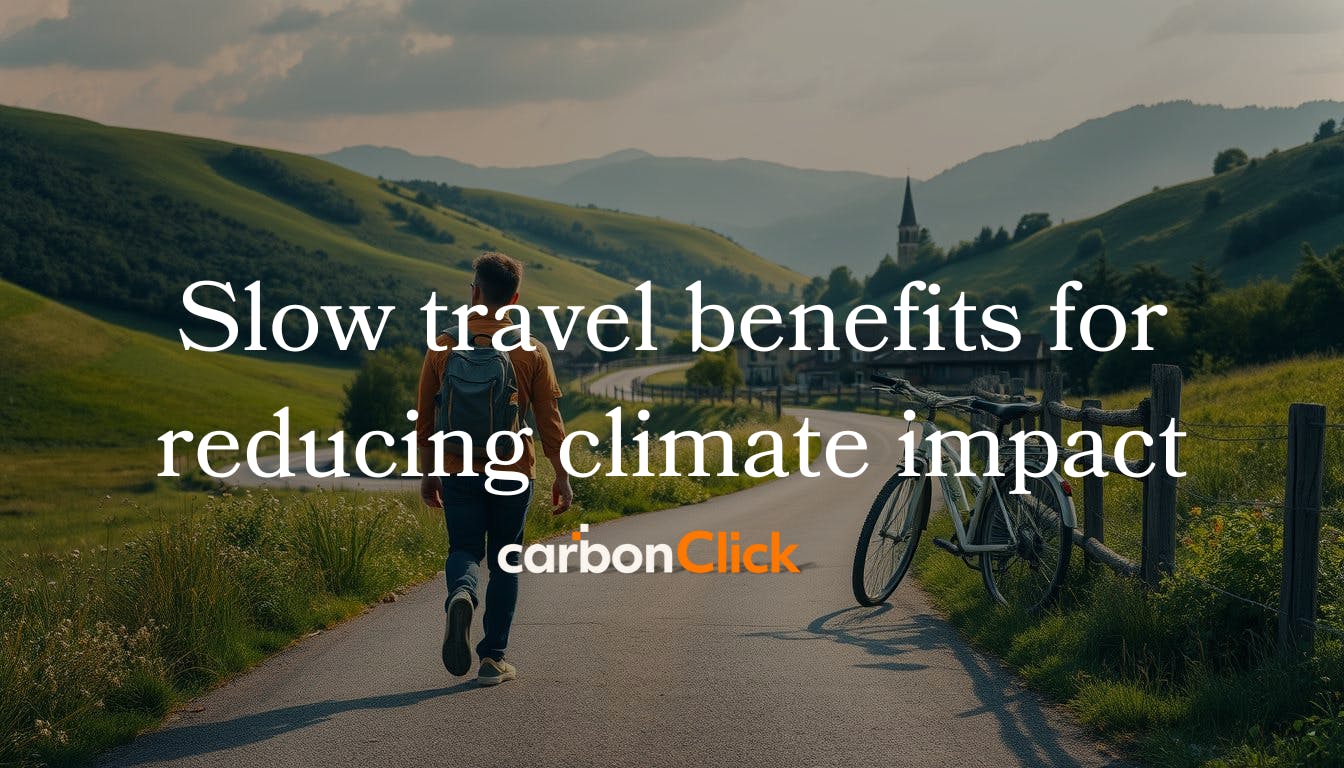
Have you ever wondered if your wanderlust can transcend the ordinary and truly benefit the places you visit? Is it possible that traveling slowly, with intention and respect, can do more than just create cherished memories? The challenge lies in moving beyond surface-level tourism and embracing habits that genuinely uplift local economies—turning your journey into an act of meaningful impact rather than fleeting pleasure. Slow travel offers us this opportunity, but how exactly does it manifest in tangible, economic support? Let’s embark on a thoughtful exploration of five slow travel habits that nourish local communities far beyond the feel-good veneer.
1. Savoring Local Cuisine by Dining at Family-Owned Eateries
Imagine sitting down at a modest family-run restaurant where the aroma of home-cooked meals pervades the air—an experience vastly different from the polished ambiance of international chains. Choosing to feast at locally operated establishments invites you into authentic culinary traditions and simultaneously pumps money directly into the hands of community members. Unlike franchise dining, your expenditure in these humble eateries supports local farmers, suppliers, and chefs who preserve cultural heritage through their recipes.
Beyond the immediate financial benefits, patronizing local food spots encourages sustainable agricultural practices often employed by nearby farms. It also fosters a symbiotic relationship between visitor and resident, transforming a meal into a cultural exchange. In this way, your palate becomes a conduit for economic vitality, reinforcing local supply chains while savoring flavors that no guidebook can replicate.

2. Extended Stays in Neighborhoods Outside Tourist Hubs
Here lies a genuine conundrum: tourists flock to iconic landmarks, but can infiltrating lesser-known neighborhoods actually deliver more profound benefits? Absolutely. By extending your stay in residential or underserved areas, you redistribute your travel expenditure. Long-term lodging—whether through homestays, boutique guesthouses, or local vacation rentals—provides income stability for hosts, often more so than short, sporadic visits.
This habit deepens your understanding of local rhythms and challenges superficial engagement. You weave yourself into the social and economic fabric, frequent small shops, cafes, and services typically bypassed by day-trippers. The slow traveler’s presence uplifts micro-economies, preserving artisanal crafts and daily commerce that sustain these neighborhoods. It’s a deliberate choice to observe, participate, and reciprocate in local life, transforming consumption into investment.
3. Championing Artisans and Craft Markets Over Mass-Produced Souvenirs
In a world saturated with mass manufacturing, can a humble handcrafted item wield economic power? Indeed, choosing artisan markets over factory-made souvenirs is transformative. Local craftspeople often face stiff global competition; your patronage acts as both a financial lifeline and an endorsement of cultural preservation.
Visiting craft fairs and purchasing once-off pieces directly supports intricate skills passed over generations. These transactions foster entrepreneurship, promote fair wages, and encourage sustainable resource use. Deliberate engagement—asking artisans about their work, understanding their methods—also enriches your travel narrative with depth and authenticity. Your souvenirs then become stories etched in resilience and tradition, rather than disposable trinkets.
4. Utilizing Community-Based Tours and Experiences
How often do we book tours without questioning who truly benefits? Slow travel advocates for opting into community-based experiences—tours run entirely by local guides, cooperatives, or organizations that reinvest earnings back into the community. This approach prioritizes equitable economic distribution and champions grassroots initiatives.
Unlike multinational tour operators, community-driven excursions are designed with intimate knowledge of culture, environment, and history. Visitors gain nuanced insight while empowering locals to tell their own stories on their terms. Your participation aids in preserving intangible heritage and generates employment in places where opportunities can be sparse. The circular economy created within these frameworks exemplifies travel as a participatory act, not merely observational.

5. Supporting Local Transport and Sustainable Mobility
We often default to international car rentals or global ride-sharing apps without considering local alternatives. Embracing local transportation—whether it’s neighborhood minibuses, bicycle rentals, or shared tuk-tuks—not only reduces your carbon footprint but channels funds directly into community enterprises.
This choice encourages maintenance of local transit infrastructure and sustains drivers and operators whose livelihoods depend on it. Additionally, it enhances your immersive experience, offering glimpses into everyday life inaccessible by tourist-centric means. Slow travel’s credo embraces this mindful mobility, aligning environmental stewardship with socio-economic assistance. Here, the journey itself becomes an act of support.

Embarking on slow travel means weaving curiosity with conscientiousness, uniting pleasure with purpose. When you adopt these five habits, your adventures cultivate thriving local economies, nurturing people and places rather than exploiting them. It asks a compelling question: can you travel not just to see the world, but to sustain it? The resounding answer lies in the deliberate art of traveling slowly.