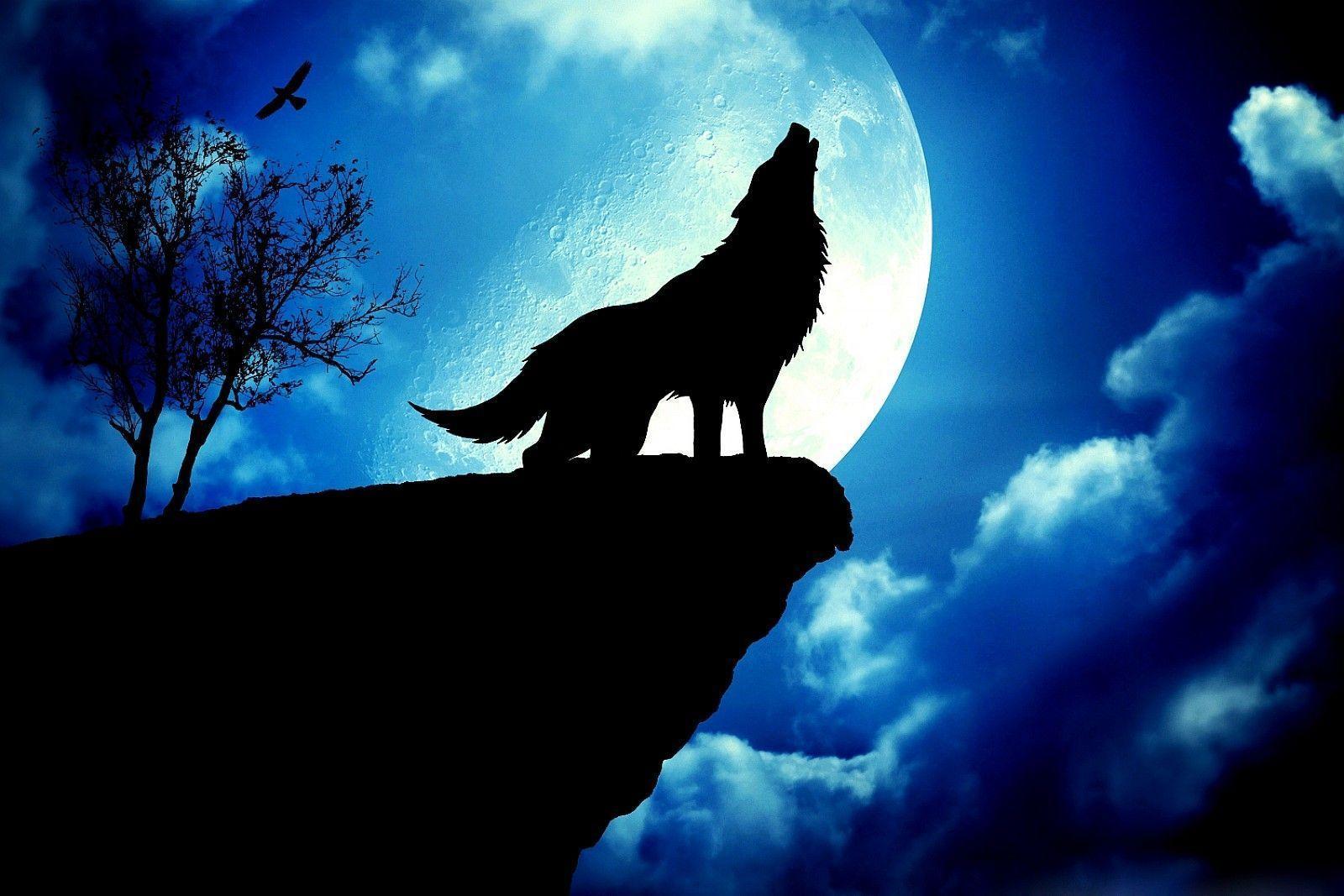
Gazing upon the cosmos is a humbling voyage—an odyssey where the velvet curtain of night unfurls above, revealing a celestial tapestry ignited by billions of distant suns. Asia, a continent woven from ancient cultures and dramatic landscapes, offers some of the most breathtaking stargazing experiences imaginable. From the ethereal heights of the Himalayas to the rustic deserts of Rajasthan and the tranquil islands of Japan, these regions shimmer as natural observatories where the stars seem to narrate stories only the quietest souls can hear. Here, the vastness of the night sky meets the earth’s diverse topography, making each glimpse into the infinite feel profoundly intimate. Discover the 13 best places where stargazers can be enveloped by the cosmos, where darkness is a canvas painted with brilliance, and where the universe whispers its secrets in shimmering constellations.
The Himalayas: A Celestial Balcony Above the Clouds
Rising like the spines of a giant cosmic dragon, the Himalayas piercing the sky offer an unrivaled vantage point to the heavens. At elevations where the air thins and city lights dwindle into insignificance, the stars emerge with a piercing clarity, unspoiled by pollution or humidity. Places such as Ladakh in India and Mustang in Nepal stand as astral sanctuaries. The vast high-altitude plateaus and rugged mountain backdrop serve as a celestial amphitheater, where the Milky Way unfurls its luminescent river in daunting splendor. The crystalline atmosphere acts akin to a natural telescope lens, magnifying planets, nebulas, and distant galaxies with surreal precision. Here, the silence is profound—a sacred void where one can truly listen to the cadence of the cosmos.
Rajasthan’s Desert Skies: An Ocean of Stars on Golden Sands
In Rajasthan, the Thar Desert stretches endlessly, a sea of windswept dunes bathed by moonlight and starlight alike. This arid expanse becomes a nocturnal observatory unparalleled in its raw and unfiltered splendour. The rarity of rainfall and minimal ambient light pollution render the nighttime desert sky a glittering ocean, where constellations resemble psalms scribbled upon sable parchment. Near Jaisalmer and the Kumbhalgarh Fort, stargazers find themselves surrounded by ancient fortifications and medieval echoes, creating an evocative blend of history and celestial beauty. Witnessing the Perseids or the Orion nebula here feels like stepping into a timeless narrative where the universe and the earth share whispered secrets under a canopy of unbroken stars.
Japan’s Remote Islands: A Symphony of Stars and Sea
Japan’s remote islands, such as Okinawa’s Yaeyama group and parts of Hokkaido, provide an extraordinary stargazing haven framed by the gentle embrace of the ocean. These insular realms boast pristine air quality and minimal light interference, transforming nights into a symphony of sparkling lights. The interplay between starlit skies and the undulating tide offers a sensory experience that fuses terrestrial rhythm with cosmic cadence. For astrophotographers and night wanderers, the Milky Way arcs across the horizon in a graceful dance, often mirrored by the phosphorescent glow of the ocean. Traditional folklore imbues these skies with analogies of celestial kami (spirits), lending a profound cultural reverence to the spectacle above.
Ladakh: The Moonland of India
Ladakh’s stark, lunar-like landscape further intensifies the stargazing enchantment. This desert mountain region, often described as “Moonland,” boasts some of the clearest skies in South Asia. At night, the shimmer of stars becomes almost tactile, transforming the sky into an endless vault of diamonds. The region’s altitude—averaging above 9,000 feet—drastically reduces atmospheric distortion. Alongside the open valleys and serene monasteries, stargazing here acquires a meditative depth. Observers can witness meteor showers in overwhelming numbers and track the arc of the International Space Station like a silver bird slicing through velvet.
Kashmir’s High Valleys: A Twilight Sanctuary
Among the lush and mystifying locales in Kashmir’s high valleys, such as Pahalgam and Gulmarg, the night sky reveals itself in rich detail. Surrounded by verdant hills and snow-capped peaks during the day, nighttime here offers a contrapuntal display—an austere void peppered with brilliant constellations. The seasonal shifts further paint the sky with distinct hues: summer’s cool, transparent air sharpens starlight, while winter’s cold deepens the darkness, making the stars pulse with a spectral intensity. These nights encourage contemplation; they invoke a sensation that beneath the sprawling expanse lies a wellspring of cosmic wisdom waiting to be unveiled.
Spiti Valley: Where Earth Meets the Cosmos
Isolated and rugged, Spiti Valley is a hidden gem in the Trans-Himalayan zone, defined by sparse population and immaculate natural conditions. The valley’s openness is a key, unlocking unobstructed views of constellations usually dimmed by civilization’s glow. The sharp contrast between the barren terrain and midnight sky creates a paradoxical sense of intimacy and infinity. Locals often recount visions of celestial phenomena and auroras, blending myth with reality. The extraordinary altitude coupled with clear, dry air transforms Spiti into an austere cosmic theatre where time feels both eternal and fragile.
Mount Fuji Region: Stars Above Japan’s Iconic Peak
The region surrounding Mount Fuji offers more than just its iconic silhouette—it is also a profound site to commune with the heavens. Away from the neon luminescence of urban sprawl, areas like the Fuji Five Lakes present a tranquil setting where the night sky emerges as a luminous vault overhead. The reflection of constellations twinkling on pristine waters enhances the ethereal nature of the experience. Seasonal meteor showers, such as the Geminids, find a spectacular stage here. Observing a sky thick with galaxies beside an emblem of earthly serenity is an immersive juxtaposition that elevates the art of stargazing into a spiritual pilgrimage.
Okinawa’s Yaeyama Islands: The Frontier of Twilight
The subtropical Yaeyama Islands sit at the juncture of ocean and sky, where horizons blend seamlessly between sea foam and starlight. These islands, distant from Japan’s metropolitan heart, feature some of the darkest night skies in the region. The uninterrupted star fields allow for remarkable views of the zodiac constellations and even faint glimmers of the Andromeda Galaxy. The symphony of nocturnal wildlife, gentle breeze, and cosmic display forms a medley that serenades visitors into a state of cosmic wonderment. The cultural essence of the islands, interwoven with nature, imbues the stargazing session with the feeling of ancient harmony between humanity and the universe.
Uttarakhand: Himalayan Sky Gardens
Known as the “Land of the Gods,” Uttarakhand’s alpine meadows and serene hill stations like Nainital and Auli are natural observatories nestled among towering pine forests. The altitude coupled with relative remoteness produces remarkably clear skies where celestial spectacles unfold with grandeur. The shifting nights reveal constellations that have guided Himalayan travelers for centuries, merging natural beauty with mythic resonance. These “sky gardens” bloom in darkness, hosting meteor showers and lunar halos that appear as ethereal blooms in the night’s garden of light.
Thar Desert’s Kumbhalgarh: Fortresses Beneath the Stars
The ancient ramparts of Kumbhalgarh Fort in Rajasthan rise majestically against a desert skyline, offering a unique blend of history and astrophysics. After sundown, the colossal stone walls bathed in moonlight cast shifting shadows while the sky overhead erupts into splendor. The fort’s strategic isolation creates an ideal dark-sky environment, where telescopes set along the parapets reveal planets, star clusters, and galaxies in astounding depth. The juxtaposition of human heritage and cosmic performance crafts a multi-layered encounter where Earth’s history gazes back at the universe’s eternity.
Mount Zao: Japan’s Northern Stargazing Sanctuary
Mount Zao, renowned for its stunning winter “ice monsters,” also transforms into a celestial sanctuary as darkness falls. Located away from major urban centers, its clear alpine air allows for vivid stargazing during crisp autumn and winter nights. The surrounding national park’s quietude amplifies the sense of cosmic immersion. The zenith often reveals Saturn’s rings and Jupiter’s moons through amateur telescopes, delighting novices and experts alike. This setting embodies nature’s duality: fierce winters and gentle night skies, a reminder that cosmos and earth continually dance in intricate harmony.
Mount Aso, Japan: Volcanic Fires and Star Fires
Mount Aso, an active volcano in Kyushu, presents a dramatic foreground for nocturnal skywatching. The fiery glow from volcanic activity contrasts vividly with the cool silver of distant stars, creating a surreal theater of light and shadow. Nighttime here evokes the primeval relationship between earth’s internal fire and the stellar fires above. The sprawling caldera offers open horizons free from light pollution, allowing viewers to trace the silhouettes of constellations like Cassiopeia and Cygnus. This juxtaposition reminds watchers of the earth’s dynamic core beneath the unchanging canopy of stars.
Amami Oshima: Tropical Clarity Under Dark Canopies
Amami Oshima Island, nestled between Okinawa and Kyushu, is a lush tropical retreat with an underappreciated nocturnal brilliance. The island’s remote location ensures minimal artificial glow, yielding pristine star fields that glisten like scattered gems in a dark velvet pouch. The humid climate, tempered by ocean breezes, keeps the atmosphere remarkably clear. Stargazers here witness dramatic meteor showers and the ethereal band of the Milky Way arcing high above dense forests and cerulean seas. This site blends tropical vitality with the endless quietude of distant galaxies, a sublime fusion of earthbound lushness and celestial austerity.
Conclusion: Asia’s Night Sky — A Poet’s Canvas
From the austere, high Himalayan plateaus to the golden sands of Rajasthan’s deserts, and the quiet, mystical islands of Japan, Asia offers stargazing as an ethereal dialogue between place and cosmos. These locations are not merely sites for observation but portals through which one can peer into the profundities of existence itself. Each starry night sky is an invitation to transcend the mundane and immerse oneself in the grandeur of infinite space. Here, the void is alive, the dark a symphony, and the light—whether from distant suns or human hearths—illuminates not just the world, but the enduring questions that bind us all beneath the same universal night.