Backpacking through Thailand alone can be exhilarating, but it also exposes the unprepared traveler to a series of avoidable slip‑ups. Below is a compilation of the most common errors I fell into, each paired with a practical insight that explains why they happen and how to sidestep them on future trips.
1. Skipping a Travel Insurance Policy
Many solo backpackers assume that a low cost or free travel insurance is unnecessary in a friendly destination like Thailand. The reality is that medical emergencies, lost gear, or sudden itinerary changes can quickly become expensive. Without coverage, I paid out‑of‑pocket for a night in a private clinic after a bike accident, which could have been mitigated by a modest policy that also includes emergency evacuation.
2. Relying Solely on English Signage
Thai public transport and street signs often prioritize Thai script, leaving English translations sparse or absent. My assumption that I could navigate Bangkok’s BTS and provincial buses using only English led to missed connections and wasted hours. Learning key Thai words for “bus,” “stop,” and “ticket” dramatically reduces confusion and fosters smoother interactions with locals.
3. Overpacking Heavy Gear
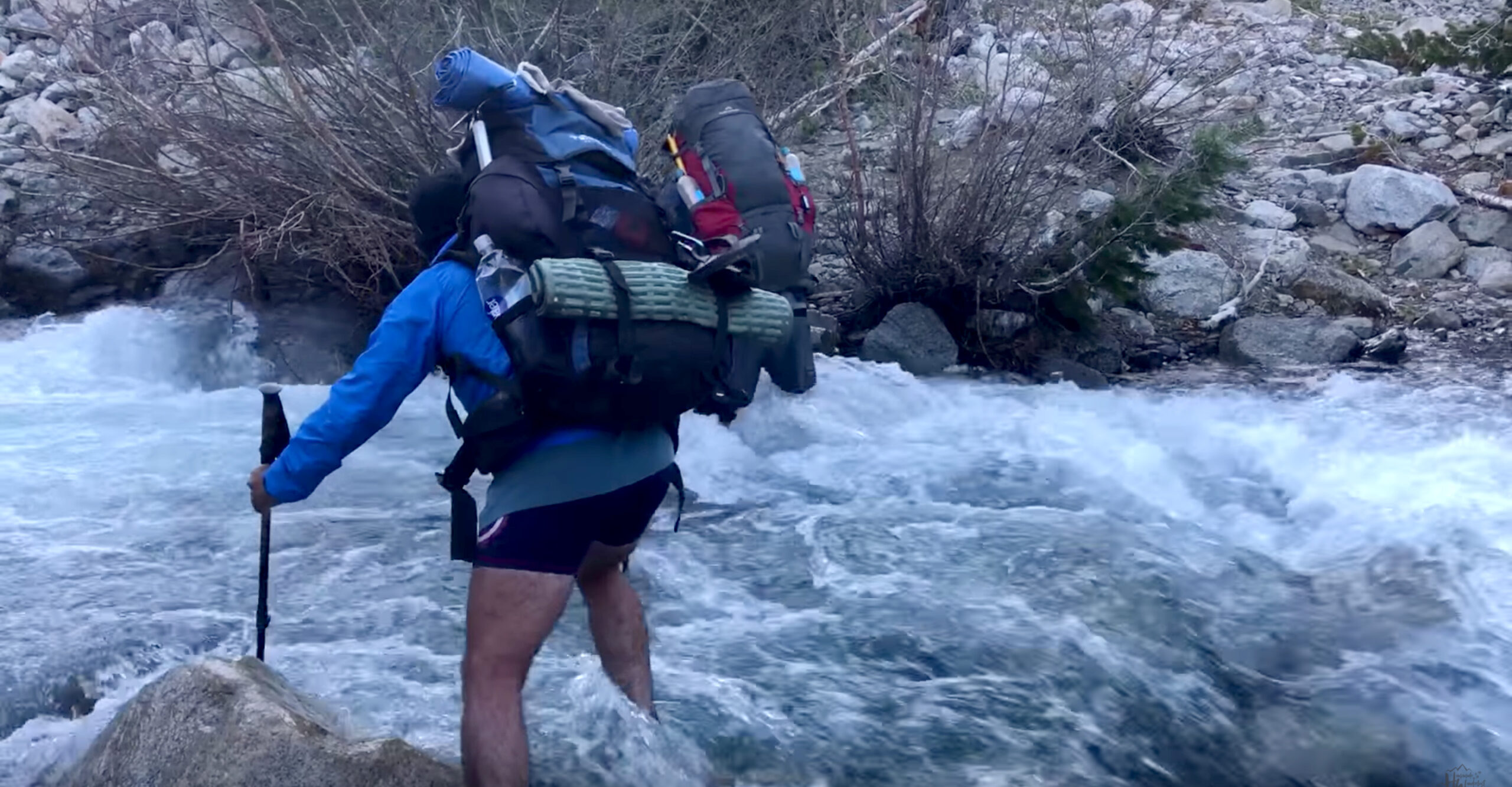
I packed a full set of winter clothing, a bulky laptop, and an oversized camera bag, assuming I’d need them for comfort and documentation. The added weight made climbing the stairs of Chiang Mai’s temples and hopping onto cramped minivans unnecessarily taxing. A streamlined kit—lightweight clothing, a smartphone with a good camera, and a compact daypack—keeps you mobile and less prone to fatigue.
4. Ignoring Local Weather Patterns
Traveling during the monsoon season without checking regional forecasts led to several soggy nights in a hostel roof that leaked during a sudden downpour. Thailand’s climate varies dramatically from north to south, and the timing of the rainy season can shift travel plans. Monitoring weather apps and planning indoor activities during peak rain hours can prevent discomfort and safety hazards.
5. Assuming All Hostels Offer Secure Storage
Several hostels I stayed at advertised “secure lockers,” but the locks were either broken or shared among multiple guests. One night I discovered my passport missing after a locker malfunction. Always bring a small, portable lock or a hidden money belt and verify the security of storage facilities upon arrival.
6. Not Respecting Temple Dress Codes
Walking into Wat Pho wearing shorts and a tank top seemed harmless until a monk politely but firmly asked me to leave. Temples require modest attire—no exposed shoulders, shorts, or sleeveless tops. Carrying a lightweight scarf or sarong solves this issue instantly and shows respect for cultural norms.
7. Overlooking Visa Extension Procedures
I assumed my 30‑day tourist visa would automatically extend after a short trip to Laos. In reality, visa extensions must be processed at an immigration office, often requiring a queue and payment. Missing the deadline forced me to overstay, resulting in a fine and a temporary ban from re‑entering the country.
8. Trusting Unverified Transportation Apps
Using a ride‑hailing app that claimed to be a local favorite led me into a scam where drivers overcharged and took longer routes. Official platforms like Grab are vetted and provide price estimates, while lesser‑known apps can be ripe for exploitation. Always verify the app’s ratings and read recent reviews before booking.
9. Neglecting to Carry Small Change
Many street vendors, tuk‑tuk drivers, and market stalls operate on a cash‑only basis and frequently lack the ability to give change for larger bills. I often found myself unable to purchase a simple snack because I only had a 1,000‑baht note. Keeping a stash of 20‑baht and 50‑baht coins in a separate pocket prevents this inconvenience.
10. Assuming All Beaches Are Safe for Swimming
Popular beach towns like Koh Samui and Pattaya attract crowds, but hidden currents and jellyfish blooms can pose serious risks. I ignored local warnings and entered the water during a red flag alert, resulting in a painful sting. Pay attention to flag systems, ask locals about sea conditions, and respect posted warnings.
11. Forgetting to Register with Your Embassy
When a sudden political demonstration erupted in Bangkok, I found myself without guidance on safe evacuation routes because I hadn’t registered with my embassy’s travel alert system. Registering online provides emergency contacts, travel advisories, and assistance in case of civil unrest or natural disasters.
12. Assuming All Food is Safe to Eat Raw
Thai cuisine celebrates fresh herbs and uncooked salads, but street vendors sometimes neglect proper hygiene standards. After eating a papaya salad from a stall with questionable cleanliness, I suffered a mild foodborne illness that sidelined me for two days. Opt for stalls with visible cleanliness practices, fresh ingredients, and good turnover of food items.