While many travelers recognize Croatia’s crystal‑clear Adriatic coast as a backdrop for the fictional kingdom of Westeros, the allure runs deeper than postcard scenery. The Game of Thrones locations here are free to visit, offering insight into centuries‑old fortifications, Mediterranean trade routes, and a landscape that naturally evokes the series’ mythic tone. Below are the most accessible sites where fans can walk the same stone walkways and cliff edges seen on screen, each paired with the subtle historical or cultural layers that make them compelling beyond their television fame.
1. Dubrovnik – Old Town Walls (King’s Landing)
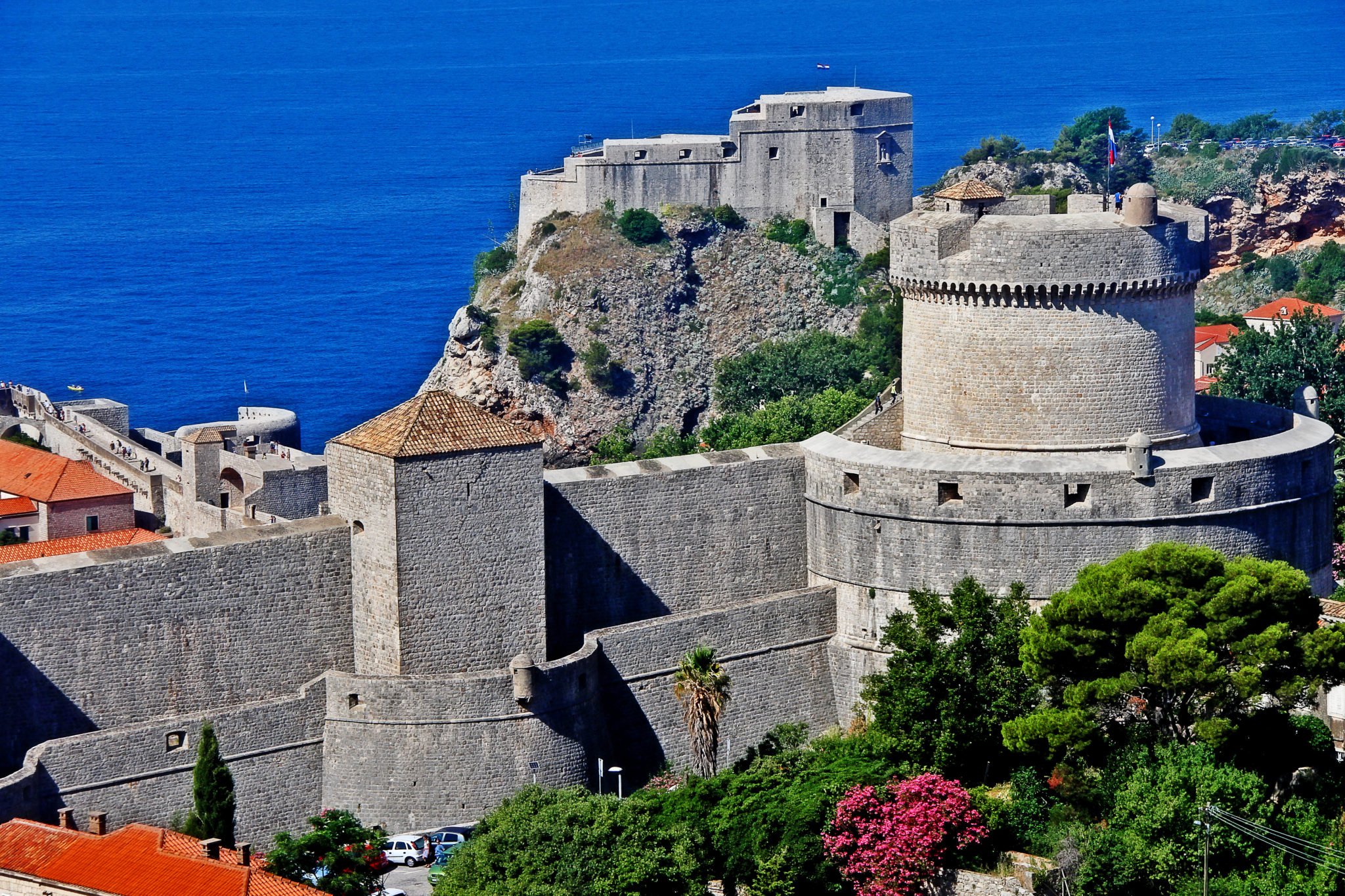
The fortified limestone walls encircling Dubrovnik’s Old Town serve as the most recognizable representation of King’s Landing. While visitors often marvel at the panoramic sea views, the walls themselves date back to the 13th century, reflecting the Republic of Dubrovnik’s storied independence and maritime law. Strolling the ramparts offers a tangible connection to both the fictional capital’s political intrigue and a real‑world example of self‑governed city‑states thriving in the medieval Adriatic.
2. Lokrum Island – Gardens of the Citadel (King’s Landing Gardens)
Just a short ferry ride from Dubrovnik, Lokrum Island’s lush botanical garden and medieval fortify the visual of King’s Landing’s royal gardens. Though the series used it for aesthetic depth, the island’s historic Benedictine monastery and the 19th‑century botanical garden reveal a continuous tradition of monastic scholarship and horticultural experimentation that parallels the series’ themes of knowledge versus power.
3. Fort Lovrijenac – The Red Keep (King’s Landing’s Fortress)
Overlooking Dubrovnik’s harbor, Fort Lovrijenac, often dubbed “the Dubrovnik’s Gibraltar,” stood in for the Red Keep’s exterior. Its placement on a rocky outcrop mirrors the strategic defensive architecture that protected the city from Ottoman sieges. Visitors can sense how geography dictated political resilience, echoing the series’ reliance on terrain to shape power dynamics.
4. Trsteno Arboretum – The White Walkers’ Forest (Beyond the Wall)
Located near Dubrovnik, Trsteno Arboretum’s centuries‑old olive groves and exotic trees were employed to suggest the eerie, otherworldly forests beyond the Wall. Beyond cinematic use, the arboretum is a living repository of Mediterranean flora, illustrating humanity’s long‑term relationship with the land—an undercurrent in the show’s narrative of environmental stewardship versus apocalypse.
5. Split – Diocletian’s Palace (Meereen)
Diocletian’s Palace, a UNESCO World Heritage site, doubled as the bustling streets of Meereen. The complex’s Roman origin, later adapted into a medieval fortress, mirrors the city’s layered cultural identities in the series. Tourists often appreciate its grand arches, yet the site also teaches how successive empires repurpose built environments, a motif mirrored in the series’ shifting allegiances.
6. Klis Fortress – The Riverlands (The Battle of the Bastards)
Perched above Split, Klis Fortress provided the gritty setting for the Riverlands’ battles. Its early medieval origins, coupled with Ottoman‑era modifications, showcase a strategic point contested across centuries—mirroring the series’ depiction of contested borders and the perennial struggle for dominance in fertile territories.
7. Paklenica National Park – The Frostfangs (The North)
Paklenica’s dramatic canyons and rugged cliffs served as stand‑ins for the harsh, icy terrain of the North. While visitors might focus on the park’s hiking trails, the geological formations reveal a landscape shaped by millennia of erosion—paralleling the series’ theme of natural forces shaping human destiny.
8. Sibenik – St. James Cathedral (Old Town of Winterfell)
The Baroque‑style St. James Cathedral in Sibenik was used to depict Winterfell’s interior courtyards. Its intricate stonework and maritime heritage emphasize the fusion of religious devotion and civic pride, reflecting how Winterfell’s identity intertwines rulership with tradition, much like Sibenik’s own blend of faith and commerce.
9. Hvar Town – The Citadel (Dragonstone)
Hvar’s fortified citadel, overlooking the Adriatic, acted as Dragonstone’s imposing silhouette. The structure’s Venetian influence and its role as a maritime hub illustrate the strategic significance of island fortifications, echoing the series’ exploration of isolation versus connectivity in power structures.
10. Kotor, Montenegro (Brief mention – The Iron Islands)
Though technically outside Croatia, Kotor’s steep limestone walls and narrow lanes were used for scenes depicting the Iron Islands. Its historic Ragusan archives and fortified harbor demonstrate how maritime republics crafted identities around seafaring—mirroring the narrative of iron‑clad islanders bound to the sea.
11. Šibenik – St. Michael’s Fortress (The Dothraki Sea)
St. Michael’s Fortress, perched above Šibenik’s harbor, appeared in episodes featuring the Dothraki Sea’s vast expanse. The fortress’s panoramic views combine military architecture with natural beauty, underscoring the series’ juxtaposition of human constructs against boundless, untamed landscapes.
12. Makarska Riviera – The Blackwater Bay (The Bay of Dragons)
The turquoise waters along the Makarska Riviera stood in for the iconic Blackwater Bay. While the scenery dazzles, the area’s history as a Dalmatian fishing community underscores the series’ underlying theme of ordinary lives intersecting with grand political theatrics, reminding fans that grand narratives often rest upon humble, everyday settings.