Mexican Coca‑Cola has earned a reputation for a crisper, cleaner flavor that many fans claim surpasses its American counterpart. While nostalgia and branding play roles, there are concrete scientific factors that influence the taste experience. Below are the key reasons, grounded in chemistry, physics, and food science, that explain why Mexican Coke often tastes better.
1. Cane Sugar vs. High‑Fructose Corn Syrup
Mexican Coke is sweetened with beet or cane sugar, whereas most U.S. versions use high‑fructose corn syrup (HFCS). Sugar molecules (sucrose) have a balanced glucose‑fructose ratio that delivers a smoother sweetness profile. HFCS, by contrast, contains a higher proportion of free fructose, which can register as a sharper, more cloying sweetness. The molecular composition of sucrose also affects how the tongue’s receptors perceive sweetness, leading to a perceived “cleaner” taste in the Mexican variety.
2. Glass Bottles Preserve Carbonation
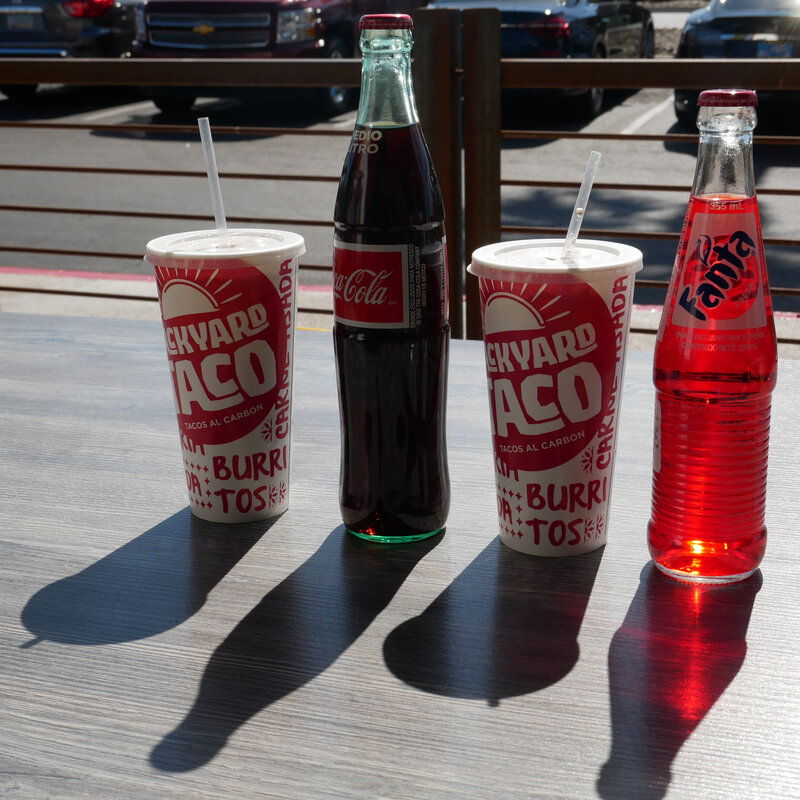
Carbon dioxide (CO₂) is more stable in glass than in plastic or aluminum. Glass is non‑porous and does not allow gas diffusion, so the pressure inside a Mexican Coke bottle remains close to the original bottling pressure (typically 2.5–3.0 atm). This higher, stable pressure sustains smaller CO₂ bubbles, which produce a finer, more persistent fizz that enhances the perception of acidity and refreshment.
3. Lower Permeability of Glass Reduces Flavor Loss
Plastic and aluminum cans allow minute amounts of CO₂ and aromatic compounds to escape over time. Glass’s impermeability means volatile flavor molecules—such as the subtle vanilla and caramel notes—remain trapped until the moment of consumption. The result is a fuller aromatic profile that amplifies the overall taste experience.
4. Carbonation Level and Bubble Size
The carbonation process for Mexican Coke typically targets a slightly higher CO₂ concentration, resulting in a greater number of micro‑bubbles. Smaller bubbles increase surface area, enhancing the release of aromatic compounds when the beverage is poured. This heightened aroma release can trick the brain into perceiving a sweeter, more vibrant flavor, even before the liquid contacts the palate.
5. Absence of Preservatives like Sodium Benzoate
Many U.S. sodas contain sodium benzoate or potassium sorbate to extend shelf life. These preservatives can subtly alter taste by imparting a faint chemical aftertaste. Mexican Coke often omits such additives, allowing the natural flavors from the caramel color, vanilla extract, and sugar to remain unmasked, contributing to a purer flavor profile.
6. Caramel Color Composition
Both versions use caramel coloring, but the formulation differs. Mexican Coke employs a simpler, traditional caramel process that yields fewer by‑products like 4‑Methylimidazole (4‑MI). The cleaner caramel contributes a smoother, less bitter aftertaste, allowing the sweetness and acidity to shine without competing with off‑notes.
7. Temperature Stability of Glass Bottles
Glass has a higher thermal conductivity than aluminum or plastic, meaning it stabilizes temperature more evenly. When chilled, a glass bottle maintains a consistent cold temperature longer, which suppresses the perception of sweetness and enhances acidity. This temperature consistency reinforces the crisp sensation that many attribute to Mexican Coke.
8. Mineral Content of Water
The water used in Mexican bottling plants often contains a distinct mineral profile, including slightly higher levels of calcium and magnesium. These minerals can affect mouthfeel and flavor perception by interacting with carbonation to produce a subtle “bite” that balances the sweetness and accentuates the drink’s effervescence.
9. Bottle Shape and Flow Dynamics
The classic contour of a Mexican Coke bottle creates a unique flow pattern when poured. The narrowed neck encourages a laminar stream, which reduces turbulence and preserves bubble integrity. This smoother flow allows the drinker to experience a steadier fizz and a more uniform distribution of flavor molecules across the tongue.
10. Psychological Expectation Effect
While not a purely chemical factor, the expectation that a “real” or “authentic” product tastes better can heighten sensory perception. Studies show that when consumers believe they are drinking a premium version, brain regions associated with reward and taste are activated more strongly, making the beverage seem objectively better.
11. pH and Acidity Balance
Mexican Coke typically registers a slightly higher pH (closer to 2.9) than its U.S. counterpart (around 2.5). This marginally less acidic environment reduces the perception of sharpness while still providing enough acidity to cut through the sugar’s sweetness. The balanced acidity contributes to a cleaner finish and a less lingering sour aftertaste.
12. Packaging Sealing Integrity
The crown caps on Mexican Coke bottles are designed for a tighter seal, minimizing oxygen ingress. Reduced oxygen exposure prevents oxidation of flavor compounds, which can lead to stale or metallic notes. Maintaining the sealed environment preserves the intended flavor palette from bottling to consumption.
13. Carbon Dioxide Solubility in Sucrose Solutions
CO₂ dissolves more readily in sucrose‑based solutions than in HFCS. The increased solubility means that, at the same pressure, Mexican Coke can retain more dissolved CO₂, enhancing the perceived “sharpness” and refreshing quality of the beverage. This scientific nuance explains the more pronounced bite that many identify as superior.
14. Less “Glassy” Mouthfeel
The combination of glass bottling, higher carbonation, and sugar type results in a mouthfeel that is less viscous and “glassy.” A lower viscosity allows flavor compounds to interact more directly with taste buds, yielding a sensation that is simultaneously crisp and balanced, which many describe as a more satisfying drinking experience.
15. Consistency of Production Standards
Mexican bottling facilities often adhere to stricter quality controls for ingredient sourcing and bottling conditions. Consistent temperature, pressure, and ingredient purity reduce batch‑to‑batch variability, giving the product a reliable taste that consumers can trust, reinforcing the perception of superior quality.