In Spanish eateries, the humble napkin operates as a subtle but powerful communicator. Understanding its unspoken rules can transform a dinner from a routine meal into an insightful cultural experience. Below is a systematic guide to the napkin code, designed to sharpen perception, enhance etiquette, and reveal the nuanced dialogue that unfolds at the table.
1. The Folded Triangle Signals a Ready-to-Serve Guest
When a napkin arrives neatly folded into a triangle on the left side of the plate, the host signals that the guest is expected to begin eating. This traditional presentation invites diners to unfold the napkin and place it on their lap, indicating readiness for the service to proceed.
2. Placing the Napkin on Your Lap Marks the Start of the Meal
Once seated, gently drape the napkin across your thighs, covering the beltline. In Spanish restaurants, this act is more than personal hygiene; it tells the staff that you have commenced the meal and are not yet finished, allowing servers to focus on other tables without interruption.
3. The Unfolded Napkin on the Plate Means “I’m Waiting”
If you return a napkin to the plate without folding it, the staff interprets this as a pause in the dining process. It indicates that you are waiting for another course, a conversation, or simply taking a moment, signaling that service should not be rushed.
4. Folding the Napkin into a Small Rectangle Signals Completion
When a diner folds the napkin into a modest rectangle and places it to the left of the plate, it conveys that the meal is concluded. This discrete cue alerts the waitstaff to clear the table and present the check without prematurely disrupting the guest.
5. The “Napkin Triangle” on the Table Suggests a Formal Setting
High-end Spanish restaurants often present the napkin in a tall, elegant triangle folded upwards. This arrangement reflects a formal atmosphere and sets expectations for refined service, prompting diners to adopt a more composed demeanor throughout the meal.
6. A Crumpled Napkin on the Chair Indicates Discomfort or Dissatisfaction
Should a patron place a loosely crumpled napkin on the back of their chair, it may be interpreted as a subtle protest or signal of discomfort. While not a universally recognized code, attentive staff often perceive it as an invitation to check on the guest’s satisfaction.
7. The Napkin’s Color Carries Cultural Context
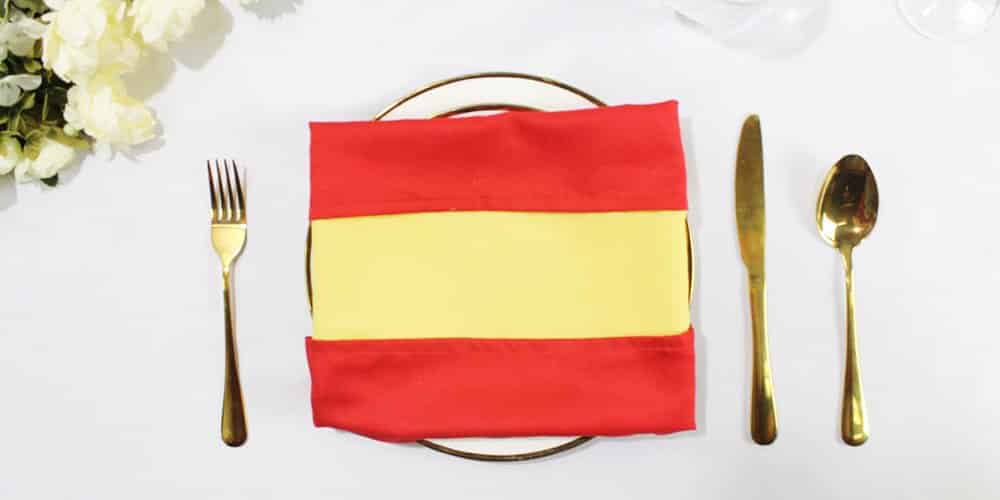
White napkins dominate most establishments, signifying cleanliness and neutrality. However, a splash of red—common in festive locales—can suggest a celebratory ambiance. Understanding these color cues helps guests align their expectations with the restaurant’s intended mood.
8. Resting a Napkin on the Edge of the Plate Signals a Pause
When a diner places a napkin partially over the rim of the plate, it denotes a temporary intermission rather than the end of the meal. This gesture informs staff that the guest intends to resume eating shortly, preventing premature plate removal.
9. The “Napkin Tuck” on the Glass Indicates a Request for Water
In some regions of Spain, tucking a small portion of the napkin into the wine glass is an unspoken request for a refill of water or a beverage. Observant servers recognize this discreet sign and respond without the need for explicit verbal cues.
10. Leaving the Napkin Behind the Plate Signals a Need for Assistance
If a napkin is left flat against the back edge of the plate, it can be read as a request for the check or additional assistance. This subtle signal respects the flow of service while giving the guest a means to communicate without speaking.
11. The “Napkin Flip” as a Social Cue
Occasionally, diners will flip their napkin from left to right on the table after a conversation. This nonverbal act can serve as a cue that the conversation has ended and the dining experience can transition to the next course or to departure.
12. The Absence of a Napkin May Indicate a Casual Setting
In fast-casual Spanish tapas bars, the lack of a napkin on the table often reflects a relaxed, self-service environment. Guests should anticipate handling spills independently, aligning expectations with the establishment’s informal pace.