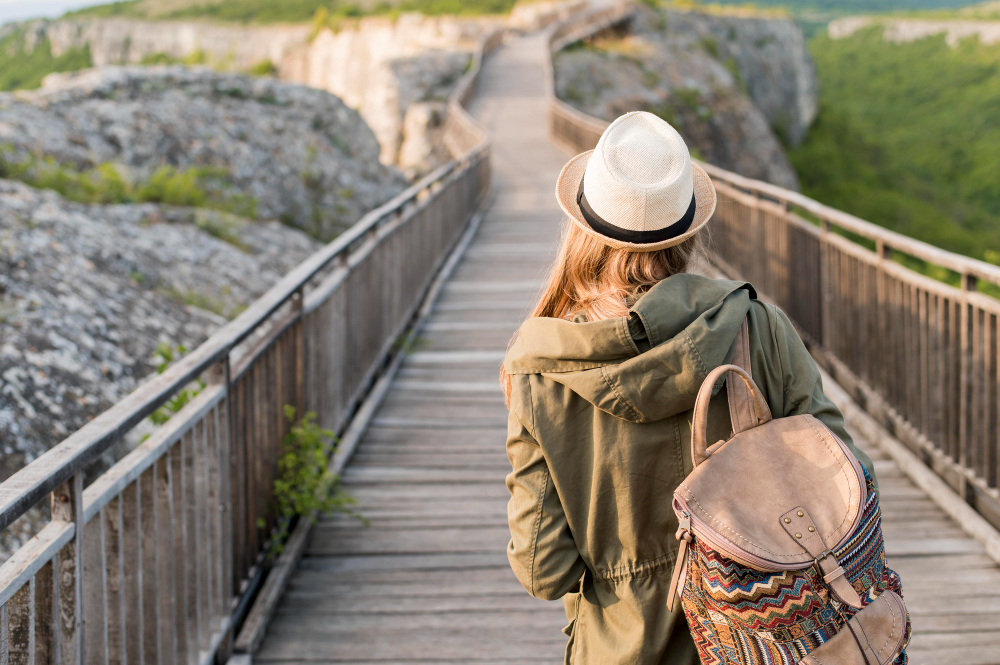
Spain is a tapestry of sun‑warmed plazas, winding alleys, and relentless rhythm. While guidebooks tout the famous landmarks, solo travelers soon discover that the true texture of the country lies in the unnoticed stitches—moments that shape a journey more than any itinerary ever could. Below are ten realities that most travel advice omits, each a subtle thread that, when woven together, creates an unforgettable solo adventure.
1. The Language Gap Is a Two‑Way Mirror
Travelers often assume that speaking Spanish is a one‑way street—either you master it, or you’re lost. In reality, the exchange works both ways. Locals frequently switch to English out of courtesy, but they also reveal regional idioms and humor that only surface in spontaneous conversation. Embracing this reciprocal learning can turn a simple “¿Dónde está la estación?” into a deeper cultural exchange, enriching both sides of the dialogue.
2. Public Transport Is a Living Mosaic
Spain’s train and bus networks resemble moving mosaics, each tile representing a different schedule, fare system, and regional quirk. The high‑speed AVE shuttles you between Madrid and Barcelona in a blur, while the narrow gauge trains in the Pyrenees crawl like lazy rivers. Understanding these patterns—such as the “tarjeta” discount for multiple rides—saves both time and money, and keeps you from feeling adrift on an unfamiliar route.
3. Tapas Culture Is a Solo Feast of Social Risk
Sharing a plate of patatas bravas at a bustling bar may appear convivial, yet it also invites the subtle gamble of being invited to join a local table. Accepting or declining can affect how you’re perceived: too shy and you may be overlooked; too eager and you risk overextending yourself. The key is to read the room—mirroring the bar’s rhythm—and let the experience unfold naturally.
4. Regional Holidays Flip the Calendar
Spain’s calendar is a kaleidoscope of local festivals, each turning ordinary streets into carnivals of color and sound. When a town celebrates its patron saint, shops close, public transport thins, and crowds surge. Ignoring these dates can leave you stranded or, conversely, provide an unexpected backstage pass to a celebration you never knew existed.
5. Safety Is a Layered Mosaic, Not a Single Tile
Solo travelers often hear a blanket reassurance: “Spain is safe.” The truth is more nuanced. Tourist hotspots like La Rambla are well‑patrolled, yet pickpocket activity spikes during peak hours. Rural hostels may lack security cameras, but their close‑knit communities often look out for each other. Adapting your safety measures to each setting—keeping valuables invisible in cities, while staying sociable in villages—creates a balanced shield.
6. Wi‑Fi Is a Mirage in Remote Landscapes
In coastal towns and bustling cafés, connectivity is as omnipresent as espresso. In contrast, the rugged paths of the Camino de Santiago or the wind‑swept cliffs of Asturias can feel like stepping into a digital desert. Planning offline maps, carrying a local SIM with ample data, and downloading essential information beforehand ensures you remain oriented when the signal fades.
7. Money Matters Change with the Terrain
Urban centers accept credit cards everywhere, but mountain inns, small tavernas, and village markets often prefer cash, sometimes in exact change. Moreover, regional taxes (like the “turismo” surcharge) and varying tipping norms can inflate costs unexpectedly. Carrying a modest amount of euros and familiarizing yourself with local payment customs prevents awkward moments at the checkout.
8. The Nightlife Clock Runs on Its Own Time
In Spain, evenings begin when most places elsewhere are already deep into the night. Restaurants don’t serve dinner until 9 p.m., and clubs open their doors around midnight, staying alive until dawn. Adjusting your internal clock—perhaps by taking a siesta and delaying breakfast—aligns you with the country’s rhythm, allowing you to experience the authentic energy of Spanish nights.
9. Solo Accommodations Offer Unseen Community Currents
Staying in a hostel or a rural casa de huéspedes can feel like stepping into a micro‑society. Common rooms, shared kitchens, and nightly gatherings act as currents that pull strangers together. While a private room offers solitude, joining group activities—such as a communal dinner or a guided walk—creates connections that often outlast the trip itself.
10. The Landscape Is a Narrative, Not a Backdrop
Finally, Spain’s varied terrain—sun‑kissed Andalusian plains, mist‑shrouded Galicia, volcanic islands of the Canary archipelago—does more than provide scenery; it tells a story. Hiking the cliffs of Costa Brava, surfing in Basque waves, or wandering the desert of Tabernas each offers a distinct chapter that shapes your solo narrative. Engaging with these environments, rather than merely passing through, turns the journey into a personal saga.