Bali beckons with emerald rice terraces, coral‑kissed beaches, and a rhythm of life that feels like a perpetual celebration. Yet beneath its postcard charm lies a well‑tuned con game that preys on wanderers eager to sip coconut water at sunset. Think of it as a shadow market—a hidden tide that rolls in when the sun dips, pulling unsuspecting travelers into its current. Below is a detailed guide to the most common scams and, more importantly, how to stay afloat.
1. The “Temple Ticket” Trap
Visitors are often approached near popular temples such as Uluwatu or Tanah Lot and offered “exclusive” entry passes that guarantee skip‑the‑line access. These tickets are counterfeit, and the sellers vanish once the tourist hands over cash. To avoid it, purchase tickets directly from the temple’s official booth or reputable online platforms. Verify the price against the temple’s website and keep the receipt as proof.
2. The “Driver‑For‑Hire” Ruse
At the airport, a friendly driver may flash a badge and promise a private, air‑conditioned ride to your hotel for a fixed rate. In reality, the driver is unlicensed, the meter is rigged, and the route includes detours through souvenir shops that demand a commission. Insist on using a registered taxi service or ride‑sharing app, and always confirm the fare before boarding.
3. The “Bali Blessing” Scam
Street vendors near the beachfront claim they can perform a traditional Balinese “blessing” for good luck, charging steep sums for a quick prayer. These rituals are staged by tourists themselves, not genuine clergy. If you seek an authentic experience, book a ceremony through a reputable temple or cultural center where the priest is clearly identified and the fee is transparent.
4. The “Fake Rental Scooter” Plot
Scammers offer scooters at a “special discount,” but the vehicle is riddled with hidden damage. When you return it, they claim you caused the damage and demand hefty repair fees. Inspect the scooter thoroughly, take photos of its condition, and sign a rental agreement that lists all existing scratches. Use well‑known rental agencies instead of random street offers.
5. The “Currency Exchange” Con
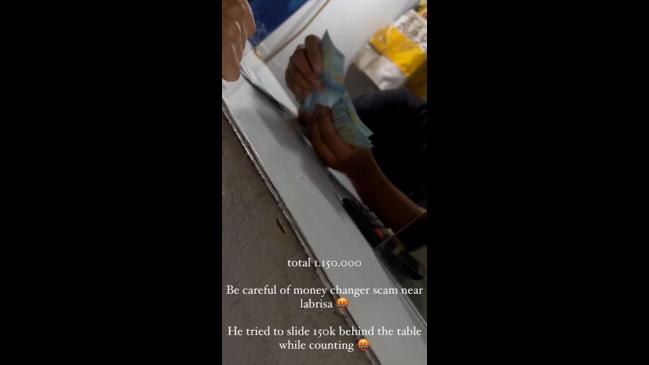
Travelers often encounter kiosks promising “the best rates” for exchanging dollars or euros. These booths apply a hidden commission, leaving you with fewer rupiah than expected. Always use bank branches, ATMs, or exchange counters inside hotels that display official rates. Count your money before leaving the counter.
6. The “Beachside Bar Tab” Bait
At sunset, a bartender may serve you a complimentary cocktail and later present a massive tab for “service charges.” The trick relies on the tourist’s reluctance to contest a bill in a foreign language. Keep receipts, ask for a detailed breakdown, and only settle the bill if you’re certain of the items ordered.
7. The “Photo‑Op with Monkeys” Money Grab
In Ubud’s Monkey Forest, unofficial guides sell “private photo sessions” with the macaques, charging a premium. The monkeys are wild, and the guide often forces them to approach for a fee, creating a hazardous situation. Respect the park’s official guidelines: self‑guide, keep a safe distance, and refrain from feeding the animals.
8. The “Hotel Upgrade” Hoax
Upon arrival, a concierge may claim that rooms are fully booked and offer an “upgrade” for a nominal surcharge. In reality, they are simply moving you to a lower‑priced room and pocketing the difference. Request a written confirmation of any upgrade and verify the room type against your reservation email.
9. The “Volunteer Program” Gambit
Travelers are lured by flyers promising “volunteer work” in Bali’s villages for a modest donation. The program either disappears after the donation or forces participants into unpaid labor. Research the organization thoroughly, check reviews on platforms like TripAdvisor, and ensure they have a physical office address.
10. The “Lost Wallet” Ruse
A stranger “finds” your wallet on the beach, claims to have rescued it, and asks for a “return fee.” The story is a ploy to extract cash before the real wallet is returned—if it ever is. Keep valuables in a money belt, and if a wallet is truly lost, report it to local police rather than handing cash to a passerby.
11. The “Spa Treatment” Switcheroo
Advertisements promise a traditional Balinese massage for a set price, but the therapist substitutes a cheaper, shorter service once you’re inside. The final bill includes hidden “aroma oil” and “premium towel” fees. Book spa services through accredited resorts or use recommendations from trusted travel forums, and confirm the treatment details before the session begins.
12. The “Package Tour” Mirage
Travel agencies lure tourists with all‑inclusive tours that boast a “once‑in‑a‑lifetime” experience, but the itinerary consists of overcrowded buses and generic attractions. The promised private guide never appears. Compare itineraries, read independent reviews, and request a detailed schedule before committing to any package.