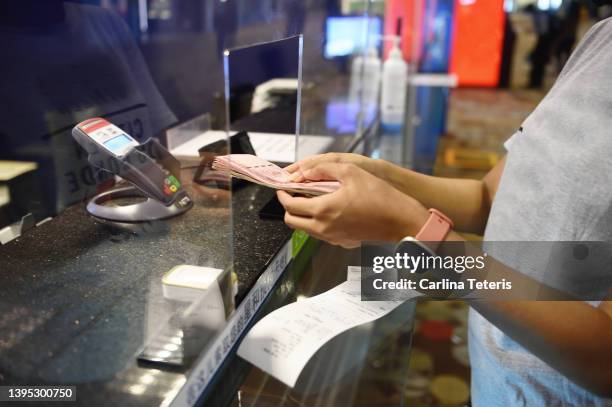
Travelers often assume that airport currency‑exchange kiosks are the most convenient way to obtain foreign cash, but the reality is that these services usually charge hidden fees and offer poor exchange rates. Below is a practical guide that explains why you should avoid airport conversion and what smarter alternatives exist. The list is organized into actionable steps, each rooted in common observations at airports and backed by deeper economic reasoning.
1. Walk Away from the Airport Counter
The moment you enter the arrival hall, the first thing you’ll notice is a line of brightly lit currency‑exchange booths. Their presence is deliberate: they count on travelers’ urgency and limited options. By simply walking past them, you avoid the default “airport premium” that can inflate the cost of a foreign transaction by up to 10 %.
2. Use an Online Currency Converter Before You Depart
Websites and mobile apps such as XE, OANDA, or Google provide real‑time mid‑market rates, which are the most accurate benchmarks. Knowing the current rate lets you compare the airport’s offer with the true market value, exposing the markup that kiosks typically embed in their advertised “no‑fee” deals.
3. Order Foreign Currency from Your Bank Ahead of Time
Most banks allow customers to request foreign bills weeks in advance, often at interbank rates with minimal service charges. This pre‑ordering ensures you receive the exact amount needed, eliminates the rush‑hour premium, and spares you the hassle of hunting for small denominations at the airport.
4. Leverage a Multi‑Currency Debit Card
Many major banks issue debit cards that auto‑convert purchases at the point of sale using the interbank rate. These cards typically incur a modest foreign transaction fee (often 1‑2 %) that is still cheaper than the hidden spreads found at airport kiosks. Using the card for everyday expenses also reduces the need to carry large sums of cash.
5. Download a Travel‑Friendly Prepaid Card
Prepaid travel cards can be loaded with multiple currencies at a fixed rate before you leave. By locking in the exchange rate in advance, you protect yourself from volatile market swings and avoid the dynamic pricing that airport operators use to maximize profit per transaction.
6. Find a Nearby Local Bank or ATM After You Land
Within the first few kilometers of most international airports, there are banks and ATMs offering competitive rates. Typically, ATMs dispense cash using the actual interbank rate plus a small, transparent fee (often under 3 %). This approach is more cost‑effective than the inflated rates charged by airport counters.
7. Use a Peer‑to‑Peer Currency Exchange Platform
Services like TransferWise (now Wise) or Revolut enable users to exchange money directly at near‑market rates. By setting up an account before travel, you can convert funds online and receive a virtual card or local bank details, bypassing both airport and traditional bank fees.
8. Carry a Small Amount of Ready Cash for Immediate Needs
A modest amount of cash (e.g., $20‑$50) in the local currency is useful for tips, transport, or small purchases upon arrival. This buffer prevents the temptation to use airport kiosks for larger sums and provides a safety net while you locate a better exchange option.
9. Check the Airport’s Official Currency‑Exchange Rates Online
Many airports publish their exchange rates on their websites. By reviewing these numbers before you travel, you can verify whether the advertised “no‑fee” service truly reflects the market rate or hides a spread. If the rate deviates significantly (more than 2 %), it’s a clear indicator to avoid the kiosk.
10. Consider Using Credit Cards with No Foreign Transaction Fees
Some credit cards waive foreign transaction fees entirely and apply the interbank exchange rate for purchases abroad. Using such a card for larger expenses (hotels, dining, car rentals) can be cheaper than converting cash at the airport and then spending it.
11. Understand the “Dynamic Currency Conversion” Trap
At many airport merchants, you’ll be asked whether you wish to pay in your home currency. This practice, known as Dynamic Currency Conversion (DCC), often applies a markup of 3‑5 % on top of the standard rate. Declining DCC and opting for the local currency preserves the true exchange rate and reduces hidden costs.
12. Keep an Eye on Exchange‑Rate Volatility Before You Travel
Currency values can fluctuate dramatically due to geopolitical events or market sentiment. By monitoring trends in the weeks leading up to your trip, you can time your conversion—whether through a bank, a prepaid card, or a peer‑to‑peer platform—to capture a more favorable rate, something airport kiosks won’t accommodate.
13. Use a Mobile Wallet That Supports Multiple Currencies
Digital wallets like Apple Pay, Google Pay, or Samsung Pay often integrate with banks that provide real‑time conversion at interbank rates. By linking your primary debit or credit account, you can pay directly in the local currency without handling physical cash, sidestepping the airport exchange entirely.
14. Research Local Exchange Practices at Your Destination
In some countries, street exchangers or local markets offer competitive rates with minimal fees, especially for popular tourist currencies. While this option requires caution and verification of authenticity, it can be significantly cheaper than the airport’s fixed-rate service.
15. Avoid Converting Back to Your Home Currency at the Airport on Return
Just as the initial conversion is costly, converting leftover foreign cash back at the departure airport often incurs the same inflated rates. Instead, spend the remaining cash locally, use it to pay off a credit card balance, or deposit it into a local bank account before heading home.