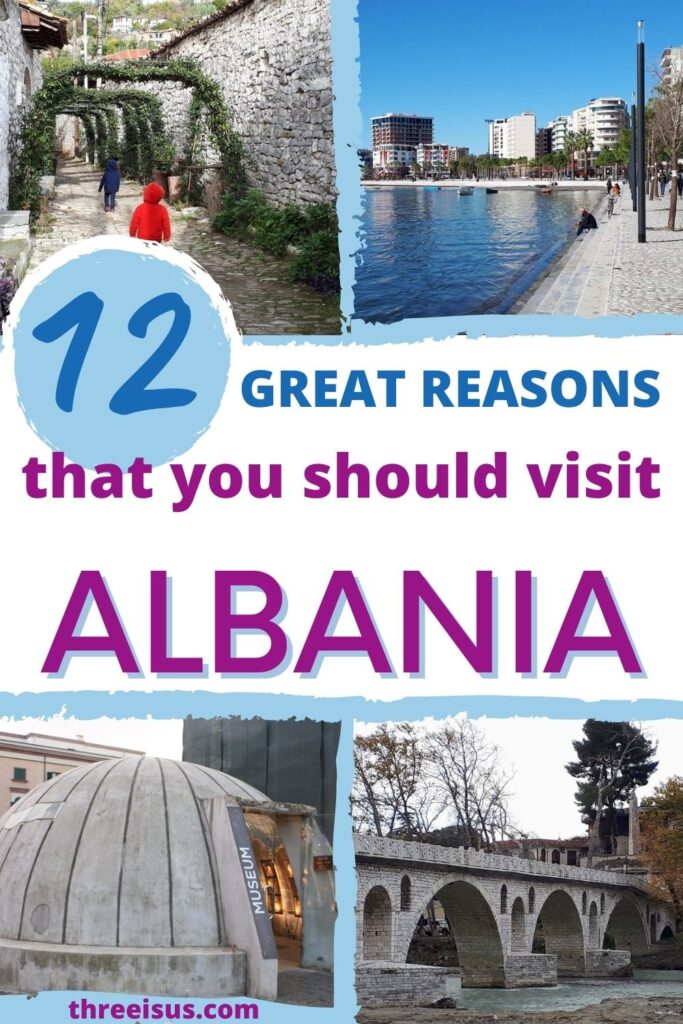
Albania often flies under the radar compared to its famous neighbor Greece, yet it offers a compelling mix of history, scenery, and culture that makes it an ideal first stop on a Balkan adventure. By exploring Albania before crossing into Greece, travelers experience a more relaxed itinerary, discover unique attractions, and enjoy practical benefits that enhance the overall journey. Below are the key reasons to prioritize Albania and the types of content you’ll encounter throughout this guide.
1. Affordable Travel Costs
Albania consistently ranks among the most budget‑friendly destinations in Europe. Accommodation, meals, and transportation are typically 30–50% cheaper than in Greece, allowing visitors to extend their stay, try diverse local cuisines, and allocate funds toward unique experiences such as guided mountain tours or traditional craft workshops.
2. Uncrowded Tourist Sites
While Greece’s iconic landmarks attract crowds year‑round, Albania’s historic towns and archaeological sites remain relatively untouched by mass tourism. Places like the ancient city of Butrint, the Ottoman‑styled town of Gjirokastër, and the Riviera’s hidden coves provide a peaceful environment for deeper exploration and photography without the pressure of large groups.
3. Diverse Natural Landscapes
Albania’s geography packs a surprising variety into a compact area. From the rugged Accursed Mountains in the north to the crystal‑clear waters of the Ionian Sea in the south, travelers can enjoy hiking, kayaking, and beach relaxation in one trip. This range of environments is presented through detailed trail maps, climate guides, and activity recommendations within the article.
4. Rich Ottoman and Illyrian Heritage
The country’s history blends Illyrian roots with centuries of Ottoman influence, offering a distinct cultural narrative separate from Greece’s classical legacy. Readers will find in‑depth overviews of Ottoman architecture in Berat, medieval castles, and ancient Illyrian burial sites, illustrating the layers of Albanian identity.
5. Vibrant Culinary Scene
Albanian cuisine fuses Mediterranean flavors with Balkan traditions, featuring dishes such as fërgesë, tavë kosi, and fresh seafood along the coast. The guide provides recipes, market tips, and restaurant suggestions, enabling food enthusiasts to experience authentic flavors before sampling Greek specialties.
6. Easy Border Crossings
Albania and Greece share a land border that can be crossed by car, bus, or ferry. The article outlines practical border‑crossing procedures, visa requirements for various nationalities, and transportation options, ensuring a smooth transition between the two countries without delays.
7. Emerging Ecotourism Initiatives
Recent government and NGO efforts promote sustainable tourism in Albania’s protected areas, such as the Llogara Pass and the Butrint National Park. Readers can learn about eco‑friendly accommodations, guided wildlife tours, and volunteer opportunities that support conservation while enjoying pristine nature.
8. Authentic Local Festivals
Albania’s calendar is filled with traditional festivals that showcase folk music, dance, and regional customs. The guide highlights events like the Gjirokastër National Folklore Festival and the Tirana International Film Festival, providing dates, locations, and tips for participation—experiences that often differ from Greece’s more commercialized celebrations.
9. Strategic Location for Balkan Exploration
Positioned at the crossroads of the Adriatic and the Mediterranean, Albania serves as a convenient hub for exploring neighboring countries such as Montenegro, Kosovo, and North Macedonia. The article includes itineraries and transport links, encouraging readers to extend their travel beyond the Greek border.
10. Warm and Welcoming Hospitality
Albanian locals are renowned for their genuine hospitality, often inviting visitors into homes for coffee or offering personalized travel advice. This cultural openness is emphasized throughout the guide, with anecdotes and tips on respectful communication that enhance the traveler’s experience.
11. Unique Architectural Marvels
Beyond ancient ruins, Albania boasts distinctive architectural treasures like the Ottoman‑influenced Kalaja fortress in Krujë, the Byzantine mosaics of the Ardenica Monastery, and the vibrant street art of Tirana. Detailed descriptions and photo suggestions help readers appreciate these lesser‑known sights before encountering Greece’s classical structures.
12. Seamless Language Transition
Albanian is a distinct Indo‑European language, but English proficiency is growing, especially in tourist areas. The guide provides essential Albanian phrases, pronunciation tips, and language resources, preparing travelers for easy communication and cultural immersion before they encounter the Greek language landscape.