When travelers discuss Central America, the spotlight often falls on Costa Rica’s eco‑tourism or Panama’s skyline. Yet a quieter, less‑publicized nation consistently slips under the radar: Nicaragua. Despite its rich cultural tapestry, volcanic landscapes, and historic towns, many overlook it in favor of its more advertised neighbors. This listicle examines the common perception that Nicaragua is “off the beaten path,” while revealing deeper reasons why it warrants serious attention—from authentic experiences to emerging tourism infrastructure.
1. Unspoiled Colonial Architecture
Granada and León showcase pastel‑colored facades, cobblestone streets, and centuries‑old cathedrals that have remained largely untouched by mass tourism. While visitors to Mexico or Guatemala often encounter crowded historic centers, Nicaraguan colonial towns retain a quiet dignity, offering a more intimate glimpse into Spanish colonial legacy.
2. Volcanic Adventures at a Lower Cost
The country’s volcanic chain, including Cerro Negro and Momotombo, provides world‑class climbing, sandboarding, and hiking opportunities. Compared with the pricey excursions in neighboring Costa Rica, Nicaragua’s adventure packages are markedly affordable, making high‑adrenaline activities accessible to a broader range of travelers.
3. Vast, Uncrowded Beaches
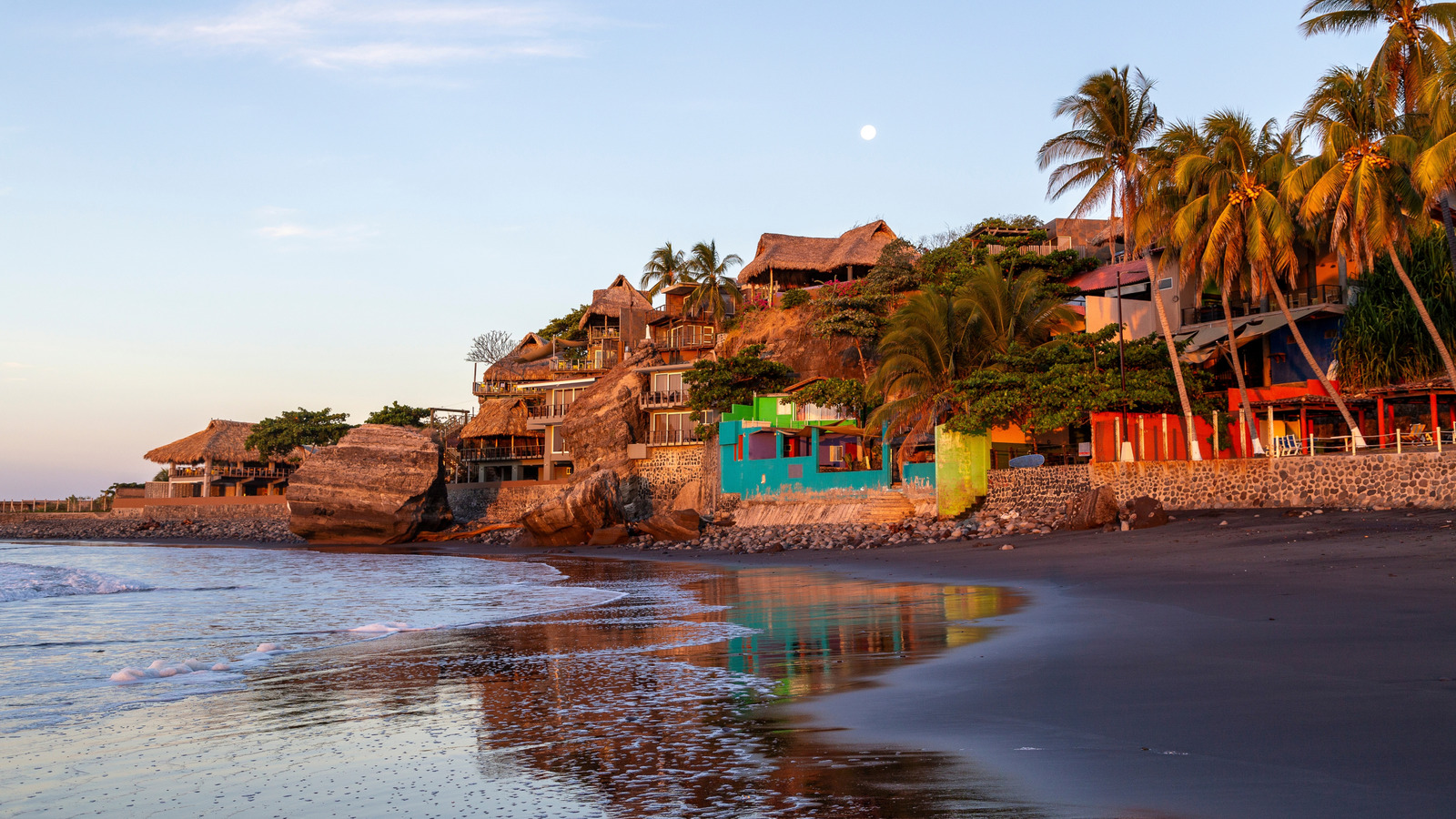
From the surf‑friendly waves of San Juan del Sur to the serene sands of Playa Maderas, Nicaragua’s Pacific coastline offers pristine beach experiences without the overdevelopment seen in more popular destinations. The Atlantic coast, featuring remote islands like Corn Islands, remains a tranquil alternative to the Caribbean bustle of Belize.
4. Rich Indigenous Heritage
Indigenous groups such as the Miskito, Sumo, and Rama preserve languages, crafts, and traditions that are often underrepresented in mainstream travel narratives. Visiting community markets and cultural centers provides authentic insights into Nicaragua’s pre‑colonial roots, a facet often missed when focusing on more commercialized Central American cultures.
5. Vibrant Artistic Scene
Beyond its natural beauty, Nicaragua nurtures a thriving contemporary art community. Galleries in Managua and León showcase works that blend political commentary with folkloric motifs, reflecting a society that uses creativity as a form of resilience. This artistic vitality adds depth to the traveler’s experience.
6. Sustainable Eco‑Lodges
Eco‑tourism operators prioritize low‑impact accommodations, from solar‑powered cabins near the Bosawás Reserve to jungle lodges employing rainwater harvesting. These sustainable practices contrast with the large‑scale resorts elsewhere, offering guests a chance to engage responsibly with the environment.
7. Culinary Diversity
Nicaraguan cuisine combines Caribbean, Spanish, and indigenous influences, producing dishes like “gallo pinto,” “nacatamales,” and fresh ceviche that differ from the more familiar tacos or pupusas of neighboring countries. Street vendors and family‑run restaurants provide flavors that are both hearty and distinct.
8. Emerging Wine Industry
In recent years, micro‑vineyards in the highlands have begun producing boutique wines, capitalizing on volcanic soils and cool climates. This nascent industry offers tastings and tours rarely found in Central America, presenting an unexpected facet of Nicaraguan agriculture.
9. Accessible Language Learning Opportunities
Spanish immersion programs thrive in university towns like León, where students and locals engage in language exchange. Because tourism pressure is lower, learners encounter authentic conversational contexts, making language acquisition both practical and culturally enriching.
10. Historical Sites of Revolutionary Significance
The country’s 20th‑century history is etched into sites such as the National Museum of Revolution and the remnants of the 1972 earthquake zone. These locations provide nuanced perspectives on political change, contrasting with the smoother historical narratives presented in some neighboring nations.
11. Wildlife Corridors Uninterrupted by Mass Tourism
Protected areas like the Indio Maíz Biological Reserve host jaguars, tapirs, and countless bird species in habitats that remain largely untouched by tourist traffic. The limited visitor numbers ensure wildlife observing experiences stay intimate and respectful.
12. Growing Infrastructure Without Overdevelopment
Recent investments in road upgrades and boutique airports have improved accessibility while preserving the country’s natural character. The balanced development strategy allows for comfortable travel without the overbuilt resorts that dominate other Central American coastlines.