Ice caves in Iceland captivate travelers with their otherworldly blue interiors, delicate formations, and the fleeting nature of their existence. While many assume these natural wonders are perilously inaccessible, a growing network of guided tours and well‑marked pathways now allows visitors to experience them safely. Below are five ice caves that combine spectacular scenery with reliable safety measures, each offering insight into why humanity remains drawn to frozen labyrinths.
1. Vatnajökull Glacier – Crystal Ice Cave (Skaftafell)
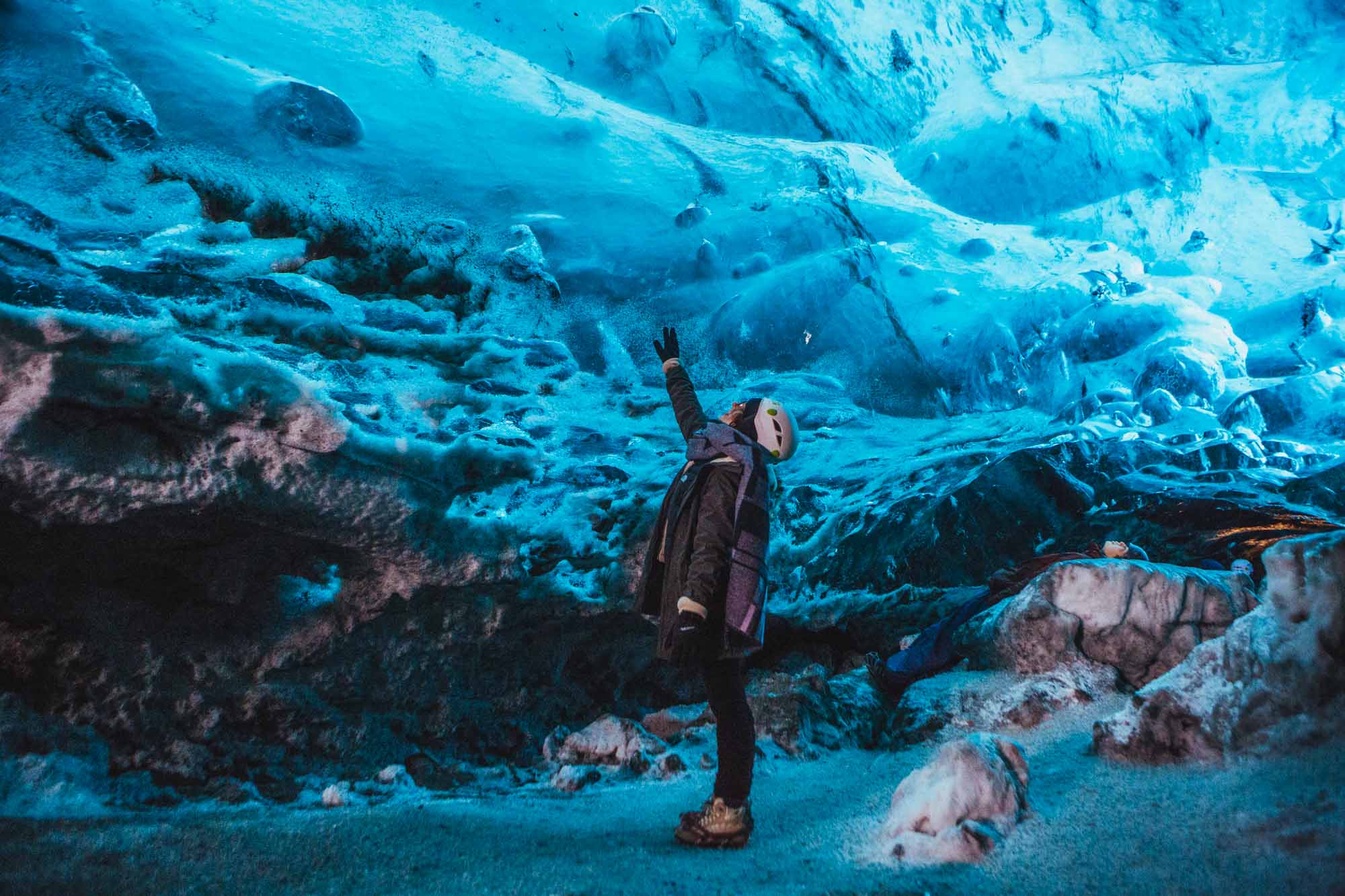
Located within Vatnajökull National Park, the Crystal Ice Cave in the Skaftafell region is reachable by a short hike from the visitor center (Route 1, near Höfn). Seasonal tours depart from the park’s information desk, and certified guides provide helmets, crampons, and insulated overalls. The cave’s walls glow a vivid cobalt due to light refraction through compacted ice, a visual phenomenon that underscores the glacier’s unique crystalline structure. Visitors often remark on the echoing silence inside—a reminder of the glacier’s centuries‑old isolation. The cave’s accessibility and clear signage make it an excellent introduction to Icelandic ice tourism while illustrating the dynamic relationship between climate and ice formation.
2. Langjökull Glacier – Ice Tunnel (West Iceland)
Langjökull, Iceland’s second‑largest glacier, hosts an engineered ice tunnel near the town of Húsafell (approximately 150 km north of Reykjavík via Route 35). The tunnel, blasted through the glacier in 2015, is maintained year‑round by the tour operator “Into the Glacier.” Guides lead groups through a 150‑meter passage, highlighting the glacier’s interior stratification and offering explanations of how meltwater layers create translucent windows. Safety is ensured by reinforced walkways, constant temperature monitoring, and emergency evacuation plans. The tunnel’s novelty—human‑made amidst natural ice—sparks curiosity about humanity’s capacity to navigate and respect such environments.
3. Mýrdalsjökull Glacier – Katla Ice Cave (South Coast)
Positioned on the southern flank of Mýrdalsjökull, the Katja Ice Cave (often referred to as Katla Ice Cave) is accessed from the small settlement of Vík (Route 1). Tours begin at the Seljavallalaug parking area, where guides assess ice stability before entry. The cave’s interior features dramatic stalactites and a vaulted ceiling that resembles an ice cathedral. Frequent updates on volcanic activity at the underlying Katla volcano are communicated to visitors, reinforcing the delicate balance between geological forces and ice safety. Observers frequently note the cave’s “living” quality—ice that drips, reforms, and shifts—illuminating why such spaces feel simultaneously fragile and timeless.
4. Snæfellsjökull Glacier – Elf‑Stone Ice Cave (West Iceland)
Near the iconic Snæfellsjökull volcano, the Elf‑Stone Ice Cave is nestled behind a modest waterfall along the coastal road near Borgarnes (Route 54). Guided hikes start at the Snæfellsjökull Visitor Center, where participants receive briefings on alpine safety, proper footing, and equipment use. Inside, the cave showcases thin, sheet‑like ice that refracts sunlight into a soft amber glow, contrasting with the glacier’s typical deep blue. The cave’s folklore association with elves and hidden realms adds a cultural layer to its allure, prompting visitors to contemplate how myth intertwines with natural wonder. Stable ice conditions and clearly marked exits make this cave a reliable choice for those seeking both beauty and narrative depth.
5. Jökulsárlón Glacier Lagoon – Blue Ice Cave (Southeast Iceland)
While primarily known for its floating iceberg spectacle, the Jökulsárlón area also offers a seasonal Blue Ice Cave accessible from the lagoon’s eastern shore (near Höfn, Route 1). Specialized tours use inflatable zodiac boats to reach a sheltered inlet where meltwater has carved a narrow cavity within a calving iceberg. The ice’s intense azure hue results from the same light‑scattering phenomenon that colors the lagoon’s waters, providing a cohesive visual theme. Safety protocols include life jackets, briefings on water currents, and real‑time monitoring of iceberg stability. The convergence of water, ice, and light in this location reflects humanity’s fascination with the interplay of elemental forces, offering a compact yet profound ice‑cave experience.