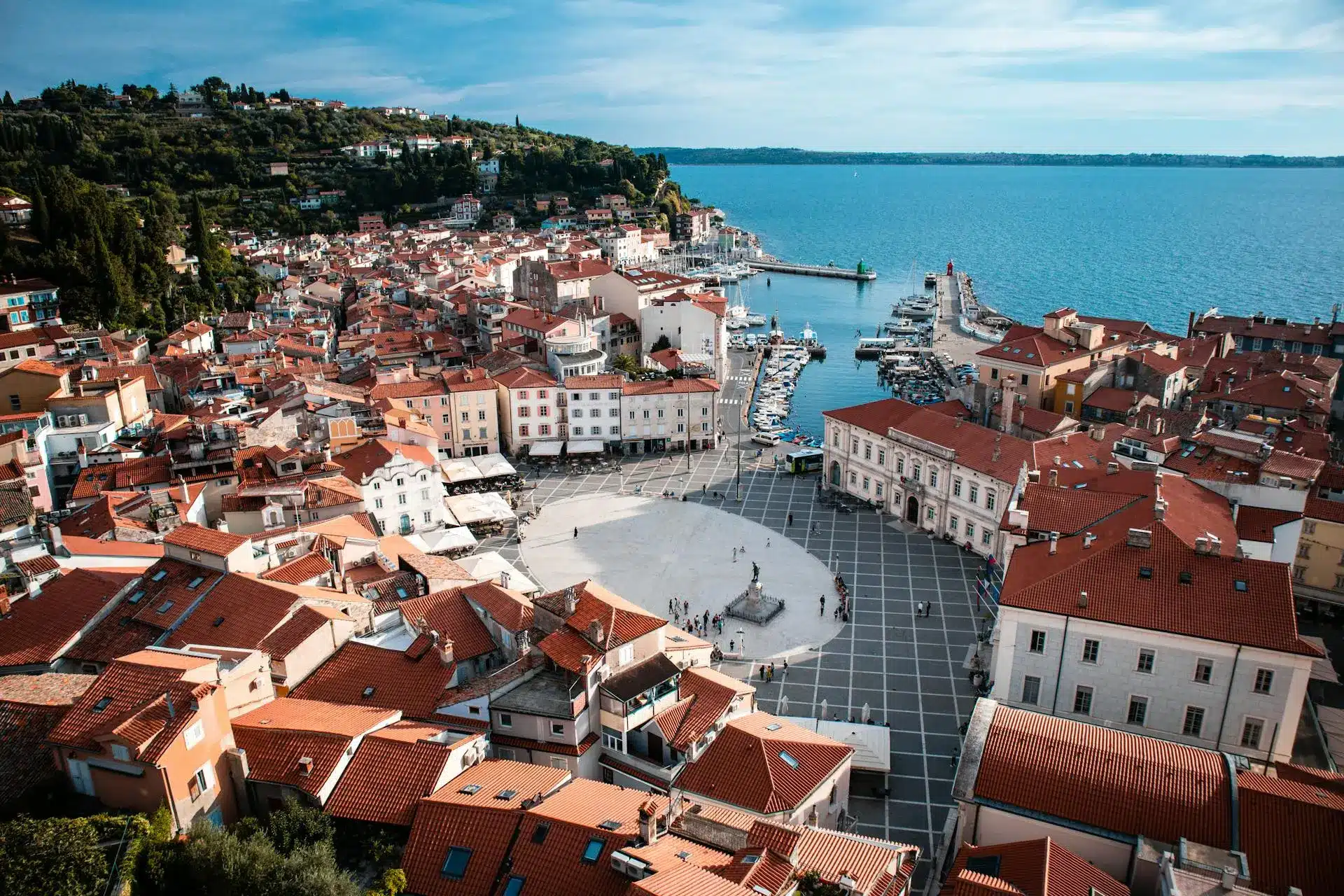
When travelers choose between Slovenia and its more famous neighbor Croatia, the decision often hinges on familiar images: the bustling Adriatic coast, historic towns, and sun‑kissed beaches. While Croatia undoubtedly offers spectacular seaside experiences, Slovenia consistently reveals a quieter, more diverse allure that goes beyond the typical tourist trail. Below are concrete reasons why Slovenia deserves priority on your itinerary, each addressing a common perception while uncovering deeper attractions that set the country apart.
1. Compact Geography, Maximum Variety
Slovenia’s modest size—just over 20,000 square kilometers—means you can transition from Alpine peaks to Mediterranean coastline within a few hours. This compactness eliminates long travel days, allowing you to experience snow‑capped mountains, emerald lakes, and historic towns in a single trip without the logistical challenges often faced in Croatia’s larger and more elongated terrain.
2. Uncrowded Natural Wonders
Iconic sites such as Lake Bled and the Soca River attract visitors, yet they remain far less saturated than Croatia’s Plitvice Lakes or Dubrovnik’s Old Town. The lower visitor density preserves the serenity of these landscapes, offering photographers and nature enthusiasts clearer views, quieter hikes, and more authentic encounters with the environment.
3. Alpine Adventures at Lower Altitude
While Croatia’s mountain regions are respectable, Slovenia’s Julian Alps provide world‑class climbing, via ferrata, and ski resorts like Kranjska Gora, accessible from major European cities without the extensive travel required for Croatia’s more remote peaks. The Alps also host a network of well‑maintained trails that cater to both novice hikers and seasoned alpinists.
4. Sustainable Tourism Practices
Slovenia has earned a reputation for environmental stewardship, highlighted by its designation as a Green Destination and the implementation of green city initiatives in Ljubljana. Eco‑certified accommodations, extensive cycling infrastructure, and protected nature reserves underline a commitment to sustainability that surpasses many popular Croatian locales.
5. Culinary Fusion of Central Europe
Slovenian cuisine blends Alpine, Mediterranean, and Balkan influences, offering dishes such as potica, jota, and fresh trout from the Soca. Unlike Croatia’s seafood‑heavy menu, Slovenia’s gastronomy provides a broader palate, with a thriving wine scene centered on the historic wine regions of Goriška Brda and the Vipava Valley.
6. A Capital City That Marries History and Modernity
Ljubljana’s compact old town, pedestrian‑only riverbanks, and vibrant cultural calendar contrast sharply with Croatia’s larger, more tourist‑oriented cities. The city’s blend of Baroque architecture, avant‑garde design, and a thriving café culture creates an intimate urban experience without the crowds that dominate Dubrovnik or Split.
7. Lower Costs for Travelers
On average, accommodations, dining, and transportation in Slovenia are cheaper than comparable services in Croatia’s coastal hotspots. Budget travelers can enjoy quality hostels, farm stays, and public transport passes at a fraction of the price, extending the length and depth of their stay.
8. Unique UNESCO Heritage Sites
While Croatia boasts several UNESCO sites, Slovenia’s own heritage listings—such as the Škocjan Caves and the heritage of the prehistoric Pustela—offer spectacular subterranean experiences and prehistoric insights that are rarely highlighted in mainstream travel guides.
9. Unexplored Wine Routes
The country’s wine corridors, particularly in the Karst region, provide intimate cellar tours and tastings of indigenous varieties like Rebula and Teran. These routes remain largely off the radar for international tourists, delivering a genuine, less commercialized wine tourism experience compared to Croatia’s more exposed vineyards.
10. Multilingual Accessibility
English proficiency is widespread across Slovenia’s service industry, and many locals also speak German and Italian due to the country’s border proximity. This linguistic versatility eases navigation for travelers, whereas some regions of Croatia, especially the more remote islands, may present language barriers.
11. Rich Cultural Festivals
Events such as the Ljubljana International Film Festival, the Kurentovanje carnival in Ptuj, and the Soca Blues Festival showcase Slovenia’s dynamic arts scene. These festivals attract both local and international talent, offering cultural immersion that is often more diverse and less tourist‑driven than Croatia’s seasonal celebrations.
12. Seamless Cross‑Border Exploration
Slovenia’s borders with Italy, Austria, and Hungary make it an ideal hub for multi‑country itineraries. Day trips to Trieste, Vienna’s outskirts, or the Hungarian plains are feasible without complex border checks, providing added value for travelers seeking a broader Central European perspective.