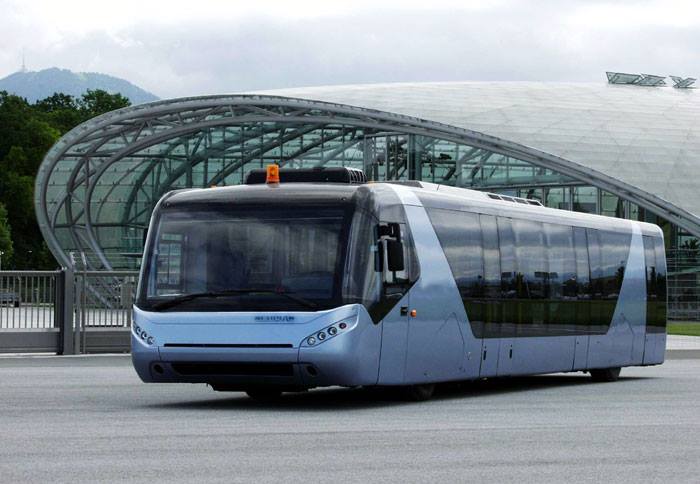
Ever wondered why the sprawling terminals of an airport might feel more appealing than the cramped seats of a city bus? It’s a hot take worth exploring, especially when you consider the quirky comforts and hidden efficiencies that airports offer. Below, I break down the practical reasons I prefer airports to buses, and I’ll throw a playful challenge your way: can you find a single point where a bus truly outshines an airport?
1. Check‑in Flexibility
Airports give travelers a window of time—often hours—to check in, drop luggage, and resolve any last‑minute issues. In contrast, bus stations typically close a short window before departure, leaving no room for error. The ability to arrive early and still have services available reduces stress and improves overall punctuality.
2. Security Screening (A Blessing in Disguise)
While airport security can feel tedious, it actually enforces a level of safety that bus travel rarely matches. The thorough screening of passengers and luggage reduces the likelihood of prohibited items on board, providing a reassuring environment for those who value a secure journey.
3. Amenities Galore
From free Wi‑Fi and charging stations to lounges, restaurants, and duty‑free shops, airports are built to accommodate a variety of needs. A typical intercity bus offers only a seat and perhaps a small snack, leaving passengers to rely on external facilities for any additional comfort.
4. Flight‑Level Comfort
Seats on many airlines are ergonomically designed, offering more recline, lumbar support, and space than the narrow, fixed benches found on most buses. Even economy class provides adjustable headrests and personal entertainment screens, turning a long haul into a manageable experience.
5. Predictable Weather Mitigation
Airports are equipped with extensive de‑icing, runway lighting, and weather monitoring systems that keep operations running even in adverse conditions. Buses, however, are directly exposed to rain, snow, and heat, often resulting in delays or route cancellations that leave passengers stranded.
6. Seamless Connectivity
Large airports act as transportation hubs, linking flights with trains, trams, rideshares, and parking structures. This intermodal connectivity enables travelers to transition effortlessly from one mode to another, a luxury rarely available at a bus terminal where options are typically limited to a single route.
7. Baggage Handling Efficiency
Automated conveyor belts and barcode tracking systems streamline the movement of luggage from check‑in to aircraft, reducing the chance of lost items. On a bus, you must manually carry everything, and there’s no fallback if a bag is misplaced or left behind.
8. Time‑Saving Boarding Processes
Airline boarding procedures—gate assignments, priority groups, and automated boarding passes—speed up the intake of passengers, especially for frequent flyers who use biometric verification. Buses often board on a first‑come, first‑served basis, leading to chaotic lines and missed stops.
9. Global Reach and Route Variety
Airports connect you to countless destinations worldwide, providing both direct and connecting flights that far outstrip the limited regional coverage of bus routes. The expansive network means you can plan a trip that spans continents without ever needing to rely on a bus.
10. Enhanced Accessibility
Modern airports comply with ADA standards, offering wheelchair ramps, tactile guides, and dedicated assistance for travelers with disabilities. Buses, while improving, still lag behind in consistent accessibility features, often lacking elevators or level boarding at smaller terminals.
11. In‑Flight Entertainment and Productivity
Airlines invest in seatback screens, streaming services, and power outlets, allowing passengers to work, watch movies, or read without extra devices. A bus typically provides a single overhead monitor, if any, leaving you reliant on personal electronics and limited power sources.
12. Perceived Prestige and Comfort
There’s an intangible psychological boost associated with stepping onto an aircraft versus hopping onto a bus. Airports convey a sense of importance, with sleek architecture and orderly processes that elevate the travel experience beyond mere transportation.