Traveling to the Galápagos Islands often feels like stepping into a living laboratory, where evolution unfolds before your eyes. While postcards showcase iconic creatures, the reality on the ground— and in the surrounding waters— offers a richer, more nuanced tapestry of life. The following list highlights ten species you are most likely to encounter, each revealing a hidden layer of the archipelago’s ecological drama and prompting a fresh appreciation for nature’s adaptive brilliance.
1. Galápagos Giant Tortoise
These massive reptiles dominate the dry lowlands of islands such as Santa Cruz and Isabela. Weighing up to 500 pounds, they move at a deliberate pace, using their sturdy necks to reach succulent vegetation. Spotting a tortoise basking in the midday sun is a reminder of the slow, steady forces that have shaped the islands’ ecosystems over millennia, and it underscores the importance of preserving their dwindling habitats.
2. Marine Iguana
Unique among modern lizards, the marine iguana forages underwater, grazing on algae that cling to volcanic rocks. Often seen drying on sun-warmed beaches after a plunge, their dark, sleek bodies contrast sharply with the bright sand. Observing their efficient, tail‑propelled swimming technique reveals a fascinating adaptation to the harsh marine environment of the archipelago.
3. Land Iguana (Conolophus subcristatus)
Residing primarily on the arid eastern slopes of islands like Santiago, the land iguana displays a stockier build and a spiny crest along its back. Their herbivorous diet consists of cacti, leaves, and fruit, and they play a crucial role in seed dispersal. Encountering them in the scrubland offers insight into the divergent evolutionary paths taken by their marine cousins.
4. Blue‑Footed Booby
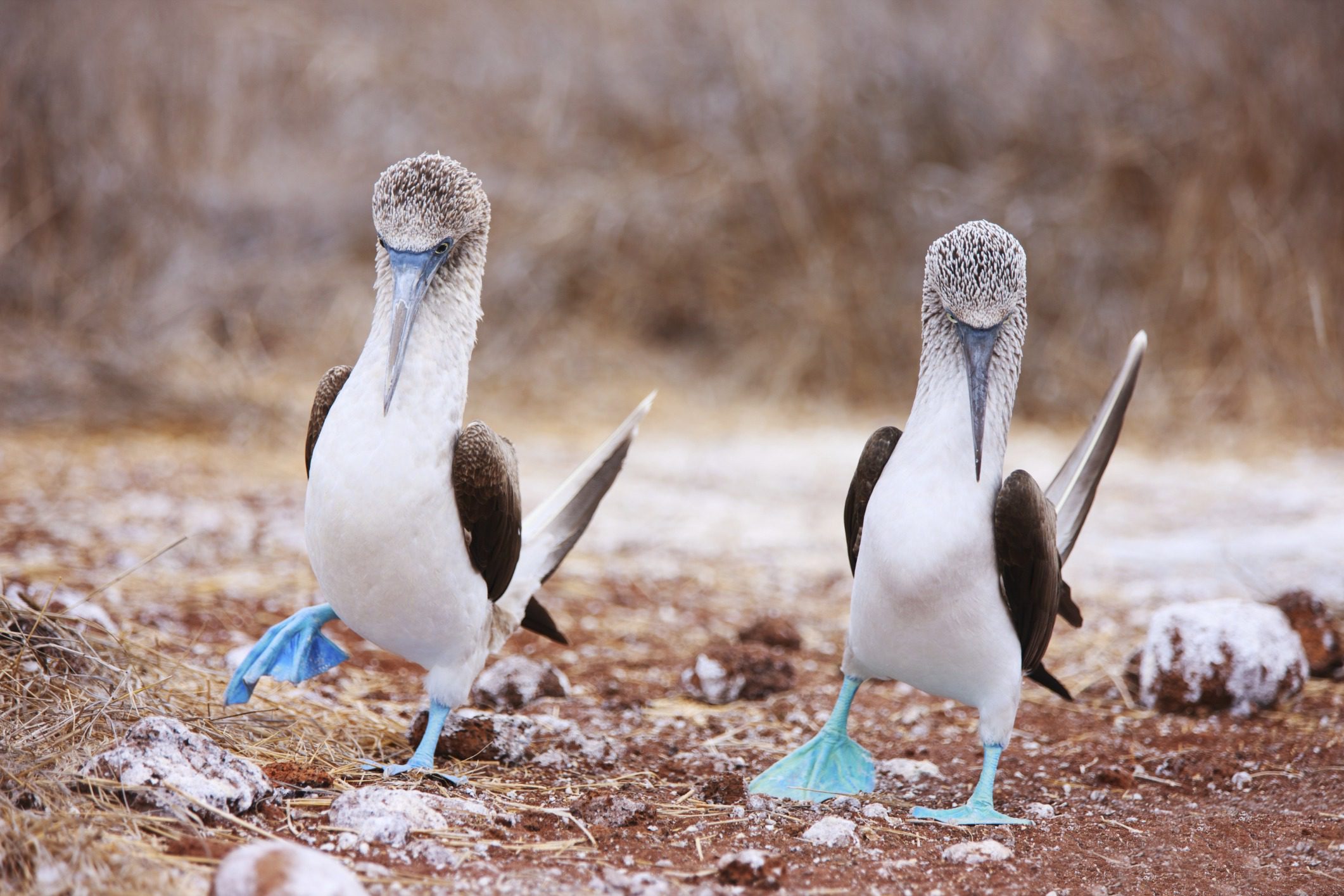
Famed for their vivid, cobalt‑blue feet, these seabirds perform elaborate courtship dances that involve rhythmic foot‑shaking and synchronized calls. Nesting on cliff ledges and sandy beaches, they dive spectacularly for sardines and anchovies. Watching a pair’s display reveals a complex social structure that hinges on visual signals and partnership fidelity.
5. Flightless Cormorant (Phalacrocorax harrisi)
Adapted to a life without flight, this bird has evolved powerful wings for swimming rather than soaring. Its sleek, black plumage glistens as it stalks fish beneath the water’s surface, using its hooked bill to spear prey. Spotting this rare, wing‑reduced species on the rocky shores of Fernandina and Isabela underscores the islands’ propensity for radical specialization.
6. Galápagos Penguin (Spheniscus mendiculus)
The world’s only penguin found north of the equator, this petite, tuxedo‑clad bird thrives in the cool currents of the Humboldt and Cromwell waters. They nest in burrows dug into volcanic soil and rely on abundant sardines and anchovies. Their presence challenges the common perception that penguins belong solely to icy latitudes, highlighting the archipelago’s climatic diversity.
7. Galápagos Finches
Often called “Darwin’s finches,” this group comprises multiple species, each with distinct beak shapes adapted to specific feeding strategies— from cracking seeds to probing cactus flowers. Observing these tiny birds hopping among shrubs and mangroves provides a live illustration of adaptive radiation, the very process that propelled Charles Darwin’s theory of evolution.
8. Galápagos Sea Lion (Zalophus wollebyi)
Playful and inquisitive, sea lions dominate the beaches of San Cristóbal, Floreana, and the western islands. Their energetic vocalizations and rhythmic tail‑slapping while basking in the sun signal a thriving marine mammal population. Interacting with them—from watching a mother nurse her pups to witnessing a synchronized dive—offers a vivid glimpse into the islands’ dynamic marine food web.
9. Sally Lightfoot Crab
These brightly colored crabs scuttle across volcanic rocks, their red, orange, and blue legs flashing in the sunlight. They are adept climbers, often found foraging on intertidal algae and detritus. Their bold coloration serves as a warning to predators, and their presence adds a splash of chromatic flair to the islands’ otherwise monochrome landscape.
10. Galápagos Hawk (Buteo galapagoensis)
As the apex avian predator of the archipelago, the Galápagos hawk patrols the skies above the islands, hunting rodents, lizards, and smaller birds. Their sharp eyesight and swift, soaring flight make them a formidable presence. Spotting a hawk perched on a ridge or circling above a volcanic crater reminds travelers of the delicate balance of predator‑prey dynamics that sustain the islands’ ecosystems.