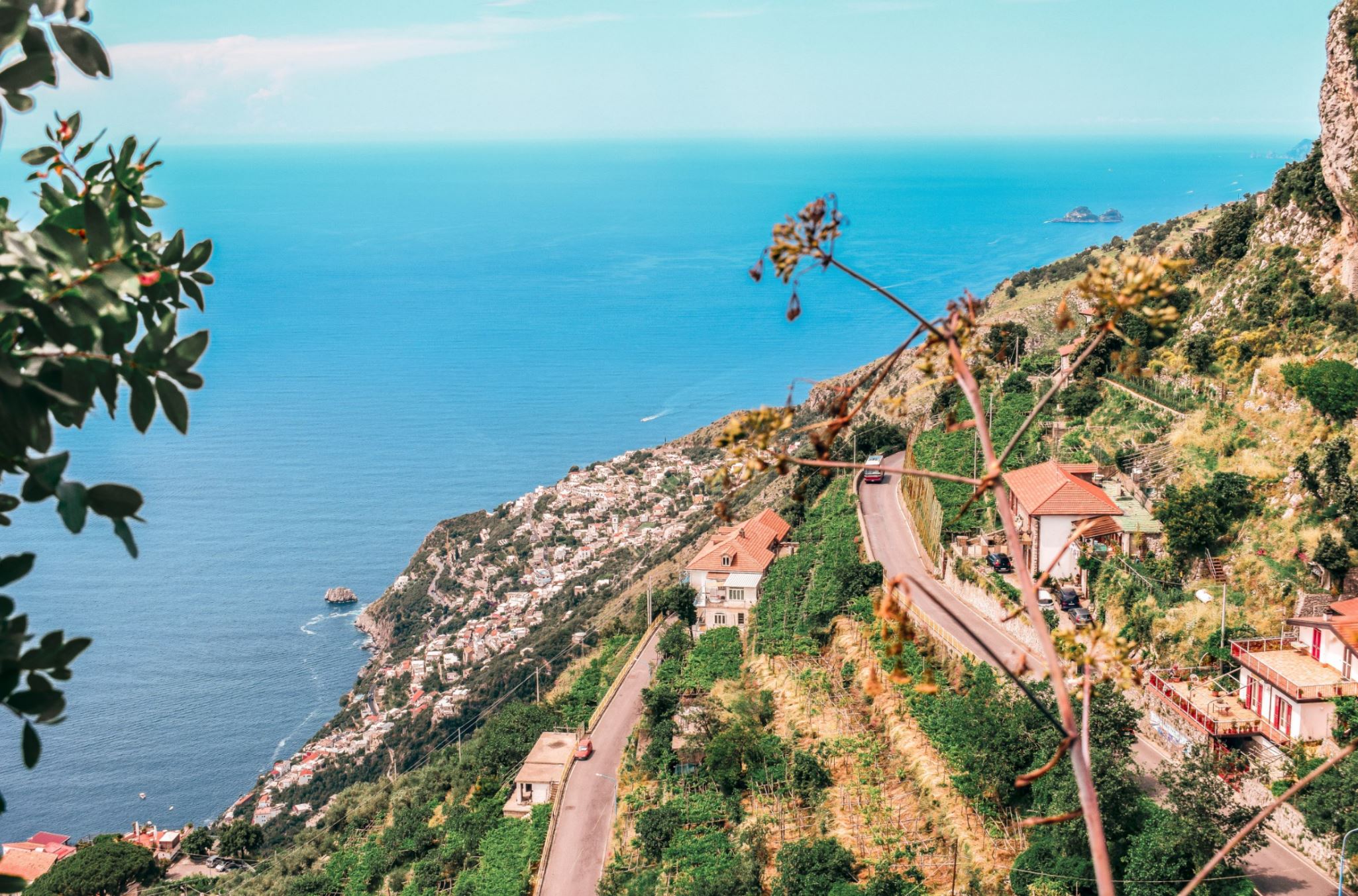
Exploring the Amalfi Coast on a backpacker budget is entirely possible with careful planning and smart choices. Below is a practical guide that outlines the essential steps and resources you need to enjoy stunning scenery, vibrant culture, and delicious cuisine without breaking the bank. Each numbered section details a specific area of travel, from transportation to dining, so you can confidently navigate the region while keeping costs low.
1. Choose the Right Arrival Port
The most cost‑effective way to reach the Amalfi Coast is to fly into Naples International Airport (Capodichino). Low‑cost carriers frequently service this hub, and a direct train or bus from Naples to Sorrento or Salerno can be secured for under €10. Booking your flight and ground transportation together through budget travel sites often yields additional savings.
2. Use Regional Buses Over Ferries
While ferries offer picturesque views, they are significantly more expensive than the local SITA bus network. Buses run frequently between major towns—Positano, Amalfi, Ravello, and Sorrento—with day passes available for around €3‑€5. Purchasing a weekly bus pass can reduce expenses further, especially if you plan to hop between multiple locations.
3. Stay in Hostels or Guesthouses
Hostels in the area, such as the Hostel Sorrento and Ostello Amalfi, provide dormitory beds ranging from €15 to €25 per night. Many guesthouses also offer private rooms with shared bathrooms at comparable rates. Booking platforms like Hostelworld and Booking.com allow you to filter for “budget” or “hostel” options, ensuring you secure a clean, safe place to rest.
4. Cook Your Own Meals When Possible
Most hostels include a communal kitchen; take advantage of it by purchasing fresh produce from local markets. A typical grocery bill for a week—pasta, tomatoes, mozzarella, and seasonal fruit—can be kept under €30. When you occasionally dine out, look for “pizza al taglio” slices or panini stalls, which cost €3‑€5 per serving.
5. Take Advantage of Free Walking Tours
Many towns in the Amalfi Coast offer free or tip‑based walking tours led by local guides. These tours provide historical context, hidden alleyways, and insider tips on inexpensive eateries. While the guide technically works for “pay‑what‑you‑can,” allocating €5‑€10 per tour is customary and supports the community.
6. Explore Lesser‑Known Beaches
Popular beaches like Spiaggia Grande in Positano charge for chair rentals and umbrellas. Instead, head to quieter spots such as Marina di Praia, Fiordo di Furore, or the pebble beach at Atrani. These locations are free to access and often less crowded, offering the same crystal‑clear water without the additional fees.
7. Use Discounted Museum Passes
Some cultural sites, including the Amalfi Cathedral and Villa Rufolo in Ravello, offer combined tickets or reduced‑price entries for students and young travelers. Purchasing a regional cultural pass can save up to 20% if you plan to visit multiple attractions within a single day.
8. Travel Off‑Season for Lower Prices
The peak summer months (June‑August) see inflated prices for accommodation and transport. Visiting in late spring (May) or early autumn (September) provides milder weather, fewer crowds, and up to 30% lower rates on hostels and bus tickets. Additionally, many seasonal restaurants stay open longer, giving you more dining options.
9. Leverage Hostel Social Networks
Many hostels run Facebook groups or internal bulletin boards where travelers exchange tips, share rides, and coordinate cheap group activities. Joining these communities before arrival can help you find fellow backpackers for carpooling to hiking trails or splitting the cost of a shared scooter rental.
10. Rent a Scooter for Short Distances
When you need to cover a short distance quickly—such as traveling from a bus stop to a remote beach—a scooter rental can be cost‑effective. Weekly rates average €60‑€80, and fuel is inexpensive. Always wear a helmet and verify that the rental includes insurance to avoid unexpected expenses.
11. Attend Local Festivals for Free Entertainment
The Amalfi Coast hosts numerous cultural festivals throughout the year, many of which are free to the public. Events like the Lemon Festival in Amalfi (Limoncello) and the Ravello Music Festival provide live performances, street markets, and traditional foods at no cost, enriching your travel experience without adding to your budget.
12. Use Free Wi‑Fi Zones Wisely
Most cafes, pizza shops, and municipal buildings in the towns provide complimentary Wi‑Fi. Plan your itinerary and research daily deals while you’re connected, rather than purchasing data plans. Download offline maps of the region via apps like Maps.me, ensuring you can navigate the winding coastal roads without using mobile data.