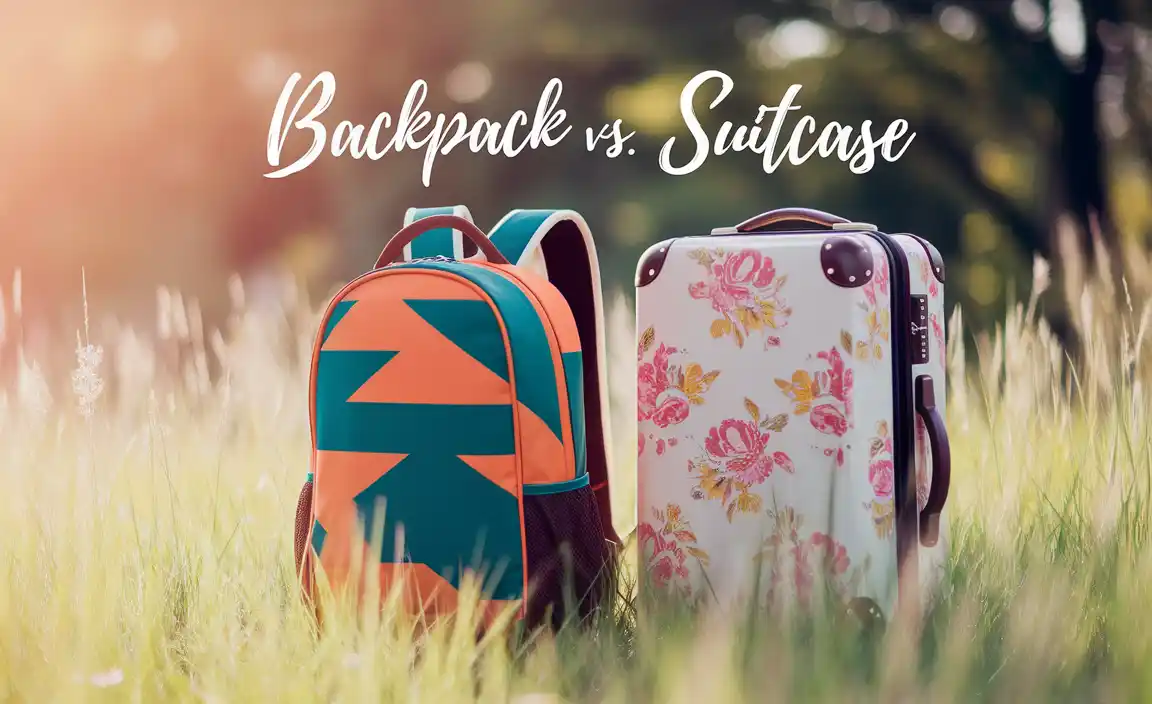
Choosing between a backpack and a suitcase can feel like picking a sidekick for a road‑trip adventure. One is the agile mule that carries you forward, the other a sturdy wagon that rolls beside you. Both have devoted followings, yet each reveals hidden costs when the terrain shifts, the climate changes, or the itinerary tightens. This guide breaks down the debate point by point, using vivid comparisons to help travelers decide which companion truly serves the journey—and which might be the “dumb” choice for a given scenario.
1. Mobility on Uneven Terrain
A backpack hugs the body like a second skin, allowing the wearer to navigate cobblestone streets, steep stairwells, and packed subway cars without missing a beat. A suitcase, even on wheels, can become a stubborn sled when confronted with potholes or gravel, demanding extra effort to keep it upright. When the road is unpredictable, the backpack’s flexibility outweighs the suitcase’s rigid stability.
2. Packing Efficiency
The suitcase’s rectangular shape maximizes cubic space, lining up clothes like bricks in a well‑ordered wall. In contrast, a backpack forces travelers to fold, roll, and compress items into a three‑dimensional puzzle. While the suitcase often yields a higher volume‑to‑weight ratio, the backpack’s compact silhouette can make it easier to slip into overhead bins or cramped hostel lockers.
3. Weight Distribution
Shoulder straps and a hip belt spread a backpack’s load across the spine, shoulders, and hips, turning a heavy load into a balanced pressure. A suitcase, especially an unchecked one, places the entire weight on a single set of wheels, which can strain the arm or cause wobbling on uneven ground. For extended periods of walking, the backpack’s ergonomic design tends to protect the traveler’s posture.
4. Security in Crowded Settings
When navigating bustling markets or crowded trains, a backpack remains close to the traveler’s body, reducing the risk of pickpocketing. A suitcase, left unattended on a conveyor belt or rolled next to a coffee cup, presents a more obvious target. In high‑traffic environments, the backpack’s intimate proximity to the owner serves as a deterrent.
5. Adaptability to Changing Weather
A waterproof backpack shell can shield gear during sudden downpours, while a suitcase often requires an additional cover or plastic bag to stay dry. However, a suitcase’s hard shell can protect delicate electronics from moisture and impact better than a soft‑sided pack. When weather is volatile, the choice hinges on the traveler’s priority: protection from rain versus protection from shock.
6. Ease of Access
Backpacks feature multiple compartments and side pockets that allow quick retrieval of passports, phones, or snacks without fully unpacking. Suitcases demand opening a main zip, rummaging through layers, and often removing the entire contents to reach an item at the bottom. For spur‑of‑the‑moment needs, the backpack’s modular design prevails.
7. Suitability for Long‑Term Storage
When a traveler returns home and stores gear for months, a suitcase stacks neatly on shelves and fits into closets with minimal distortion. A backpack, when compressed for long periods, may lose its shape and support, causing straps to sag. For travelers who need a low‑maintenance storage solution, the suitcase is the practical option.
8. Compatibility with Public Transportation
Modern train stations and airports provide luggage racks that cater to suitcases, allowing them to sit upright while the traveler walks away. Backpacks, however, can be worn while navigating stairs, elevators, and boarding gates, freeing the traveler’s hands for tickets or coffee. The backpack wins in environments that demand hands‑free movement.
9. Cost Considerations
A durable, high‑quality backpack often costs less than a hard‑shell suitcase with spinner wheels and reinforced corners. Yet premium suitcases offer warranty coverage and replacement parts that can extend their lifespan. Budget‑conscious travelers may find the backpack’s lower entry price appealing, while those seeking longevity may justify the suitcase’s higher price tag.
10. Cultural Perception
In many business districts, a sleek suitcase signals professionalism and preparedness, whereas a backpack can be read as casual or adventurous. Conversely, in backpacker hostels and youth‑focused festivals, the backpack is a badge of community belonging. Understanding the cultural context of a destination can dictate which option avoids looking out of place.
11. Load Capacity vs. Comfort
Suitcases can handle heavier loads without compromising structural integrity, letting travelers pack bulkier items such as winter jackets or bulky souvenirs. A backpack, if overloaded, can strain the carrier’s back, leading to discomfort or injury. For trips that require maximum weight tolerance, the suitcase is the safer bet.
12. Environmental Footprint
Backpacks typically use fewer materials and lighter fabrics, resulting in a smaller carbon footprint during manufacturing and shipping. Hard‑shell suitcases require rigid plastics, metal frames, and more extensive packaging. Travelers aiming to reduce environmental impact may find the backpack aligns better with their sustainability goals.