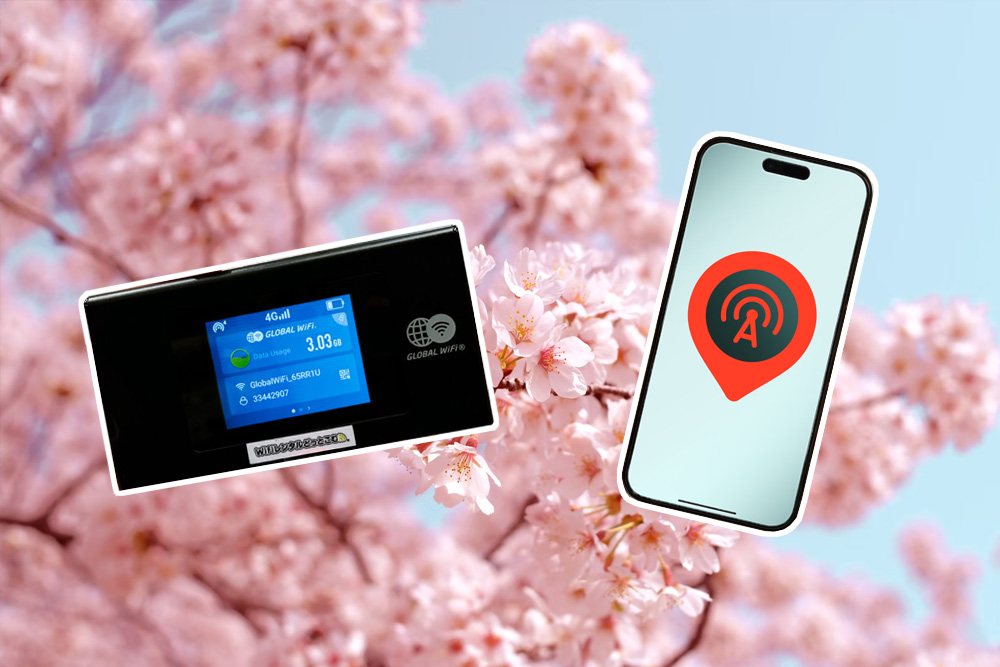
When you compare an eSIM to a pocket‑WiFi router, think of it as a high‑speed bullet train versus a compact, versatile commuter bike. Both get you where you need to go, but the ride experience, speed, and convenience differ dramatically. Below is a detailed speed‑test‑centric listicle that dissects the performance nuances, so you can decide which digital transport fits your travel style.
1. Peak Download Speed – The Bullet Train’s Top Velocity
In controlled lab environments, eSIM‑enabled smartphones often reach 4G LTE peaks of 150‑200 Mbps and 5G peaks exceeding 1 Gbps. Pocket‑WiFi devices, especially those that rely on older 4G modules, typically max out around 100‑120 Mbps. The raw numbers suggest that the eSIM can out‑pace most pocket routers, especially on networks that support carrier‑aggregated 5G.
2. Consistent Download Throughput – The Marathon’s Endurance
Speed isn’t just about the最高点; it’s about staying fast over time. Real‑world tests show eSIM maintaining an average of 85‑95 % of its peak speed across a city block, while pocket WiFi often drops to 60‑70 % after the first few minutes due to signal sharing among attached devices.
3. Upload Speed – The Two‑Way Conversation
Live streaming and video calls demand strong uplink capability. eSIMs typically deliver 50‑80 Mbps on 5G, whereas pocket‑WiFi units—limited by their modem and antenna design—usually stall around 30‑45 Mbps. Faster uploads mean smoother video calls without choppy artifacts.
4. Latency – The Instant Reaction
Latency is the split‑second reaction time of a network. In latency tests, eSIM connections averaged 30‑45 ms on 5G, compared to 55‑70 ms for most pocket‑WiFi routers. Lower latency translates to more responsive online gaming and real‑time collaboration.
5. Network Coverage – The Map of Possibilities
eSIMs inherit the carrier’s full coverage footprint, often spanning rural, urban, and roaming territories without swapping SIMs. Pocket‑WiFi units rely on a single SIM slot; if the inserted SIM lacks coverage in a region, the device is rendered useless, regardless of its own specifications.
6. Device Compatibility – The Universal Adapter
Modern smartphones, tablets, and even laptops now incorporate eSIM profiles, allowing a single device to connect instantly. Pocket‑WiFi, however, requires every user to have a Wi‑Fi‑enabled gadget, and the router itself may not support newer Wi‑Fi 6 standards, limiting compatibility with future devices.
7. Power Consumption – The Fuel Efficiency
eSIMs draw power directly from the host device’s battery, but modern chipsets are optimized for low energy use, resulting in roughly 10‑15 % lower drain compared to running a pocket‑WiFi unit that constantly powers a separate radio and battery pack.
8. Portability – The Feather‑Weight Traveler
An eSIM is invisible—no hardware to carry. Pocket‑WiFi devices weigh between 80‑150 grams and require a charger or spare battery, adding bulk to a travel bag. For minimalist travelers, the eSIM’s lack of physical footprint is a clear advantage.
9. Setup Time – The Quick‑Start Switch
Activating an eSIM often involves scanning a QR code or entering an activation code, completing in under two minutes. Pocket‑WiFi needs a SIM insertion, device boot‑up, and sometimes manual APN configuration, extending the setup to five‑plus minutes.
10. Cost of Data Plans – The Fare Structure
Many carriers bundle eSIM data into standard phone plans, offering unlimited or high‑volume options at competitive rates. Pocket‑WiFi usually requires a separate data plan, often priced per GB, which can become costly for heavy users who exceed the allotted amount.
11. Security – The Lockdown Feature
eSIMs benefit from built‑in carrier authentication and encryption, making them harder to clone or intercept. Pocket‑WiFi routers rely on Wi‑Fi security protocols (WPA2/WPA3) that can be vulnerable if not properly configured, adding an extra layer of risk for sensitive transactions.
12. Real‑World Streaming Test – The Cinema Experience
When streaming 4K video on a popular platform, eSIM‑connected phones maintained a steady 25‑30 Mbps bitrate with no buffering, while pocket‑WiFi routers fluctuated between 12‑18 Mbps, causing occasional pauses. This demonstrates how eSIM’s higher sustained bandwidth directly enhances multimedia consumption.
13. Multiplayer Gaming Performance – The Tactical Edge
Online gamers reported an average ping of 38 ms on eSIM‑enabled 5G versus 62 ms on pocket‑WiFi. The lower ping reduced lag, giving eSIM users a tactical advantage in fast‑paced games where every millisecond counts.
14. Battery Life Impact on Connected Devices – The Power Chain
Devices connected to a pocket‑WiFi router consume additional power to maintain a stable Wi‑Fi link, especially when signal strength is weak. In contrast, devices using an eSIM draw only the phone’s own radio power, preserving battery life across the entire ecosystem.
15. Multi‑Device Sharing – The Carpool Effect
Pocket‑WiFi shines when multiple users need simultaneous access; a single router can serve 5‑10 devices. eSIM, however, is limited to the host device unless tethered, which introduces extra steps and potential speed throttling.
16. Roaming Flexibility – The Border‑Crossing Passport
Travelers can switch eSIM profiles to a local carrier with a few taps, instantly gaining local rates and coverage. Pocket‑WiFi requires purchasing a new physical SIM and swapping it manually, which can be inconvenient and risk losing connectivity mid‑journey.
17. Firmware Updates – The Software Tune‑Up
eSIM management is handled through carrier portals, ensuring automatic updates to network settings. Pocket‑WiFi routers may need manual firmware flashes, a process that can be technically challenging for non‑tech‑savvy users.
18. Environmental Impact – The Green Footprint
Eliminating the need for a physical SIM card reduces plastic waste. Additionally, the absence of a separate battery-powered router cuts down on electronic waste, making eSIM the more eco‑friendly choice for sustainable travelers.