In 2026, the world is awakening to a new kind of travel—one that doesn’t just pass through landscapes but becomes part of their living story. Indigenous tourism is no longer a niche curiosity; it’s a movement reshaping how we connect with the Earth and its people. These experiences don’t just offer postcard-worthy moments; they invite you to step into a world where tradition breathes, where every trail tells a story, and where your journey actively sustains the communities that welcome you. This is travel with purpose, where the act of exploration becomes an act of reciprocity. Below, we unveil 15 transformative Indigenous tourism experiences that promise not just adventure, but a shift in perspective—one that lingers long after the journey ends.
The Art of Listening: Guided Storytelling Walks in the Pacific Northwest
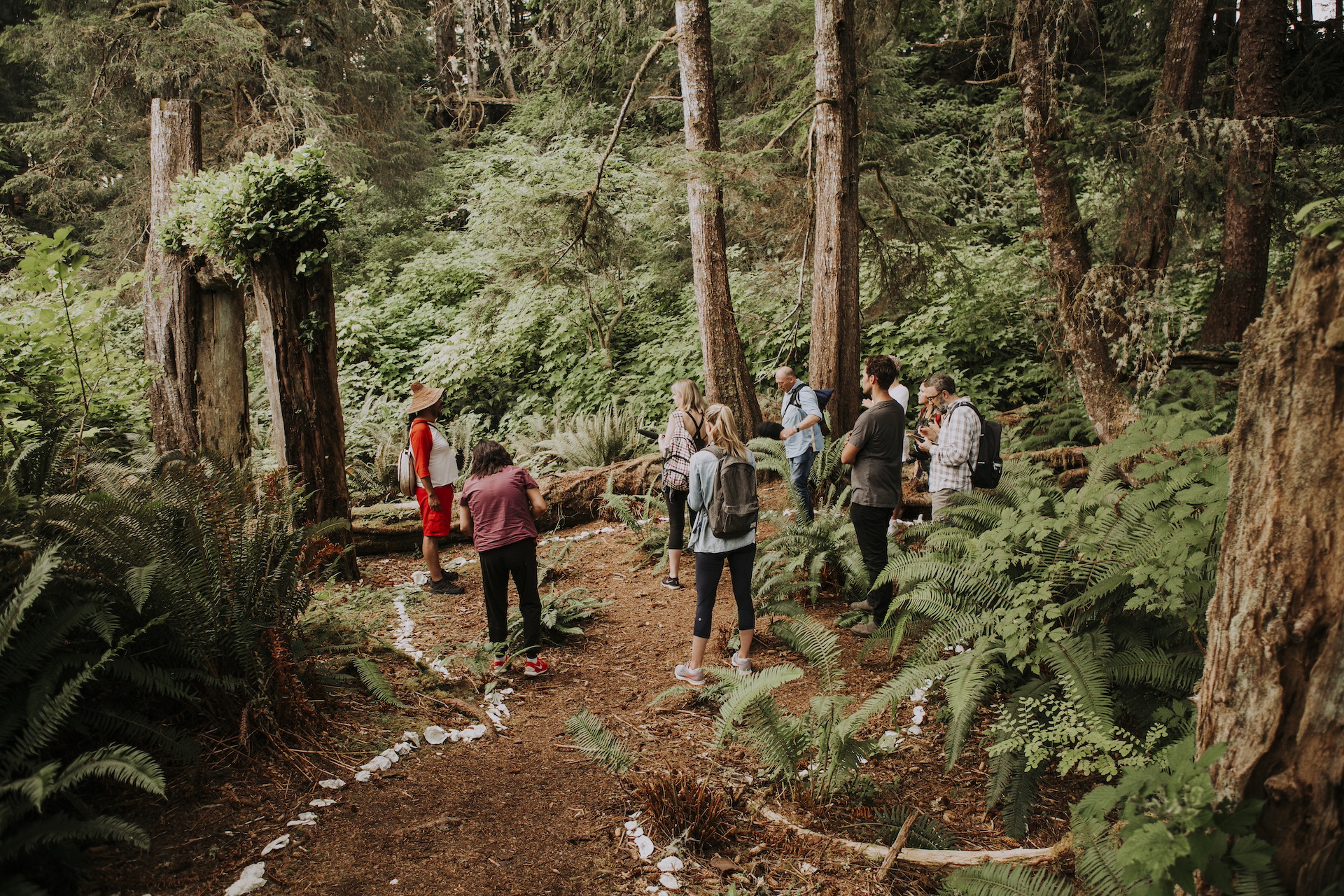
Imagine walking through ancient cedar forests, where the air hums with centuries of unspoken wisdom. Guided storytelling walks in the Pacific Northwest are more than hikes; they are immersive narratives where Indigenous elders share the land’s secrets in the same cadence as the wind through the trees. These walks aren’t just about seeing—you’re invited to listen, to feel the pulse of the earth beneath your feet, and to understand the deep relationship between the people and the place. The stories aren’t just tales; they’re living lessons in resilience, stewardship, and the interconnectedness of all things. By participating, you’re not just a visitor; you’re a witness to a legacy that refuses to be forgotten.
Canoeing the Ancient Waterways of the Haudenosaunee Confederacy
There’s a quiet magic in gliding across water that has carried stories for millennia. Canoeing the traditional routes of the Haudenosaunee Confederacy isn’t just a physical challenge—it’s a journey through time. As you paddle, you’ll pass sacred sites, ancient fishing grounds, and places where the river’s current whispers of past generations. These trips are often led by knowledge keepers who navigate by the stars and the land’s rhythms, teaching you the art of reading the water as they once did. The experience isn’t just about endurance; it’s about surrendering to the rhythm of the journey and emerging with a newfound respect for the land’s enduring spirit.
The Revival of Indigenous Culinary Traditions in the Southwest
Food is memory, and in the Southwest, Indigenous chefs are reviving culinary traditions that were nearly erased by colonization. Dine on dishes like *posole* made from heirloom corn, or *frybread* that carries the weight of survival and adaptation. These meals aren’t just sustenance; they’re edible histories, prepared with ingredients foraged from the desert and techniques passed down through generations. Many experiences include hands-on cooking classes where you’ll learn to grind corn by hand or harvest wild herbs. Every bite is a conversation with the past, and every meal supports local farmers and artisans who are reclaiming their heritage, one plate at a time.
Weaving the Future: Textile Workshops with Navajo Master Artisans
In the hands of a Navajo weaver, a simple loom becomes a bridge between past and present. Textile workshops offer a rare glimpse into the meticulous art of rug-making, where each knot tells a story and each color is chosen with intention. You won’t just observe; you’ll sit beside master artisans, learning the sacred geometry of patterns that have been woven for centuries. The wool is often sourced from local herds, and the dyes are made from plants gathered in the desert. By purchasing a piece—or even just the knowledge—you’re contributing to the preservation of a craft that defines a culture. These workshops aren’t just about creating; they’re about connecting to a lineage of hands that have shaped history.
The act of weaving is meditative, almost hypnotic. As your fingers fumble with the first threads, you’ll realize how much patience and precision go into each piece. The artisans don’t rush you. They let you make mistakes, because in their world, imperfection is part of the story. By the end of the day, you won’t just leave with a rug or a scarf; you’ll carry a piece of their world with you.
Tracking the Wild: Wildlife Safaris with Métis Guides
On the vast plains of the Canadian Prairies, Métis guides lead safaris that are as much about tracking animals as they are about tracking history. These aren’t your typical wildlife tours; they’re immersive expeditions where you’ll learn to read the land like a storybook. The guides share Métis oral traditions about the buffalo’s role in their culture, the medicinal uses of prairie plants, and the hidden meanings in animal behavior. You might spot a coyote or a golden eagle, but the real sighting is the land itself—how it breathes, how it changes with the seasons, and how it has sustained people for generations. These safaris remind you that conservation isn’t just about protecting animals; it’s about honoring the relationships that have existed long before national parks were drawn on maps.
The Healing Power of Sacred Hot Springs in the Rockies
There’s a reason hot springs have been revered by Indigenous peoples for millennia—they’re places of purification, reflection, and renewal. In the Rocky Mountains, some hot springs remain sacred sites, where the steam rising from the earth carries prayers and the water holds the minerals of ancient geology. Visiting these springs isn’t just about soaking; it’s about participating in a ritual older than time. Many are led by Indigenous guides who share the stories of the springs, the spirits said to dwell within them, and the protocols for visiting with respect. As you immerse yourself in the warm waters, you’re not just bathing; you’re communing with the land in a way that feels primal and profound.
Dancing with the Northern Lights: Inuit Aurora Borealis Tours
The aurora borealis isn’t just a natural phenomenon—it’s a celestial dance, and the Inuit have been interpreting its movements for centuries. In the Arctic, guided tours take you to remote viewing spots where the sky ignites with ribbons of green and purple. But these aren’t just photo ops; they’re opportunities to learn the Inuit names for the aurora (*Aqsarniit*, or “football players,” because they seem to move like a game) and the legends behind them. Some tours include throat singing, a hauntingly beautiful vocal tradition that mimics the sounds of the wind and ice. As you stand beneath the swirling lights, you’ll feel the vastness of the universe—and the deep connection the Inuit have to it.
Restoring the Land: Volunteer Conservation with Coastal First Nations
For those who want to do more than visit, volunteer conservation programs offer a chance to give back. In coastal British Columbia, First Nations communities invite travelers to participate in salmon habitat restoration, invasive species removal, and beach cleanups. These aren’t just tasks; they’re acts of reciprocity, where you’re helping to heal the land that has sustained communities for thousands of years. You might plant native grasses, rebuild a traditional fish weir, or learn to identify the signs of a healthy ecosystem. The work is hard, but the rewards are immeasurable—knowing that your hands have played a part in preserving a way of life that has endured for generations.
The Rhythm of the Drum: Powwow Experiences in the Great Plains
Powwows are more than gatherings; they’re living celebrations of culture, resilience, and community. In the Great Plains, attending a powwow is like stepping into a vibrant, pulsating heartbeat. The drumbeats echo across the land, the dancers move in intricate patterns, and the regalia—each bead, each feather—tells a story. Many powwows welcome visitors, but with a crucial request: to observe, listen, and learn. You might be invited to try a traditional dance, taste frybread, or listen to elders share stories by the fire. These experiences aren’t just entertainment; they’re a testament to the enduring strength of Indigenous cultures in the face of adversity.
Fishing for the Future: Sustainable Salmon Harvesting in Alaska
In Alaska, Indigenous communities have been fishing for salmon for over 10,000 years—a practice that’s as much about sustainability as it is about sustenance. Sustainable salmon harvesting tours teach you the ancient techniques of dip-netting, fish wheel operation, and traditional preservation methods like smoking and drying. You’ll learn how to read the river’s currents, how to handle the fish with respect, and how to ensure that the runs remain healthy for future generations. It’s a hands-on lesson in living in harmony with nature, where every catch is a reminder of the delicate balance between human need and ecological responsibility.
The Language of the Land: Botanical Tours with Cree Knowledge Keepers
Plants are more than flora; they’re medicine, food, and teachers. In the boreal forests of Canada, Cree knowledge keepers lead botanical tours where you’ll learn to identify plants not just by their names, but by their stories. You might discover how *saskatoon berries* were used in traditional ceremonies, how *spruce gum* was chewed for its healing properties, or how *wild rice* was harvested in a way that ensured its survival. These tours aren’t just about naming plants; they’re about understanding the deep ecological knowledge that has sustained Indigenous peoples for millennia. As you walk through the forest, you’ll see the land not as a resource, but as a living library of wisdom.
The Spirit of the Buffalo: Cultural Immersion in the Northern Plains
The buffalo is more than an animal; it’s a symbol of abundance, resilience, and cultural identity. In the Northern Plains, cultural immersion programs offer a chance to reconnect with this sacred creature. You might participate in a buffalo hunt reenactment, learn the traditional methods of butchering and preserving the meat, or listen to stories of the buffalo’s role in Indigenous cosmology. These experiences aren’t just about the past; they’re about the future, as many communities work to restore buffalo herds to their ancestral lands. By participating, you’re supporting a movement that’s not just about conservation, but about reclaiming a way of life that was nearly lost.
The Art of Survival: Winter Survival Skills with Inuit Hunters
Surviving the Arctic winter isn’t just about enduring the cold—it’s about understanding the land, the ice, and the animals that call it home. Inuit hunters share their knowledge of building igloos, reading ice conditions, tracking seals, and navigating by the stars. These aren’t just survival skills; they’re a testament to human ingenuity and adaptability. As you learn to build a shelter from snow blocks or identify the signs of thin ice, you’ll gain a new appreciation for the resilience of the Inuit people. These experiences aren’t just about learning to survive; they’re about understanding what it means to thrive in a place that demands respect and humility.
The Gift of Time: Slow Travel in Indigenous Communities
In a world that moves at breakneck speed, Indigenous communities offer a radical alternative: slow travel. Whether it’s spending a week in a remote village learning traditional crafts, participating in a seasonal harvest, or simply sitting with elders as they share stories, these experiences force you to unplug and immerse yourself fully. There are no itineraries, no rushing from one attraction to the next—just the rhythm of daily life, where time moves with the sun and the seasons. It’s a reminder that travel isn’t just about seeing new places; it’s about experiencing them deeply, with all your senses, and leaving with a piece of their world woven into your own.