Embarking on a family adventure that intertwines education, culture, and the great outdoors is no small feat—yet Indigenous tourism experiences offer precisely that, transforming vacations into immersive journeys of discovery. For families seeking more than just a scenic backdrop, these curated encounters provide hands-on workshops, guided nature walks, and storytelling sessions that ignite curiosity in both young minds and adults alike. From the whispering eucalyptus groves of Australia to the rugged riverbanks of Alberta, each destination weaves a tapestry of ancestral wisdom, ecological stewardship, and child-friendly exploration. Whether your clan is drawn to the rhythmic pulse of traditional drumming, the tactile joy of crafting with natural materials, or the quiet wonder of tracking wildlife, these 13 Indigenous-led experiences promise to leave lasting impressions—far beyond the confines of a souvenir shop.
Cultural Storytelling Circles: Where Ancestral Voices Echo Through Time
Imagine gathering beneath the canopy of ancient trees as a knowledge keeper unfolds tales of creation, migration, and survival—each story a thread in the grand tapestry of a people’s history. Cultural storytelling circles are the heartbeat of Indigenous tourism, where oral traditions come alive not as relics of the past, but as living, breathing narratives. Children become captivated listeners, their eyes widening as they visualize the adventures of trickster figures or the moral lessons embedded in animal fables. These sessions often incorporate interactive elements, such as call-and-response chants or the passing of sacred objects, ensuring that even the youngest participants feel like active participants in the storytelling process. The setting matters too: a fire pit crackling in the evening, the scent of sage or sweetgrass lingering in the air, and the stars above serving as a celestial backdrop. For families, these circles are more than entertainment; they are a bridge to understanding worldviews that prioritize harmony with nature and community over individualism.
Hands-On Crafting Workshops: Turning Raw Materials into Artistic Treasures
Few things captivate a child’s imagination like the tactile magic of creating something with their own hands—and Indigenous crafting workshops elevate this joy into a cultural exchange. Under the guidance of artisans, families might learn to weave baskets from river reeds, carve soapstone into miniature totems, or paint intricate dot art inspired by ancient symbols. The materials themselves tell a story: the clay sourced from sacred earth, the dyes derived from berries or roots, the sinew used to stitch hides. These workshops demystify the creative process, showing how tools and techniques have been passed down through generations. Parents often find themselves just as enchanted, marveling at the patience and precision required to master techniques that once sustained entire communities. The finished pieces—whether a beaded bracelet or a painted rock—become cherished mementos, each carrying the weight of cultural significance and personal achievement.
Guided Nature Walks: Where Every Leaf and Stone Has a Story
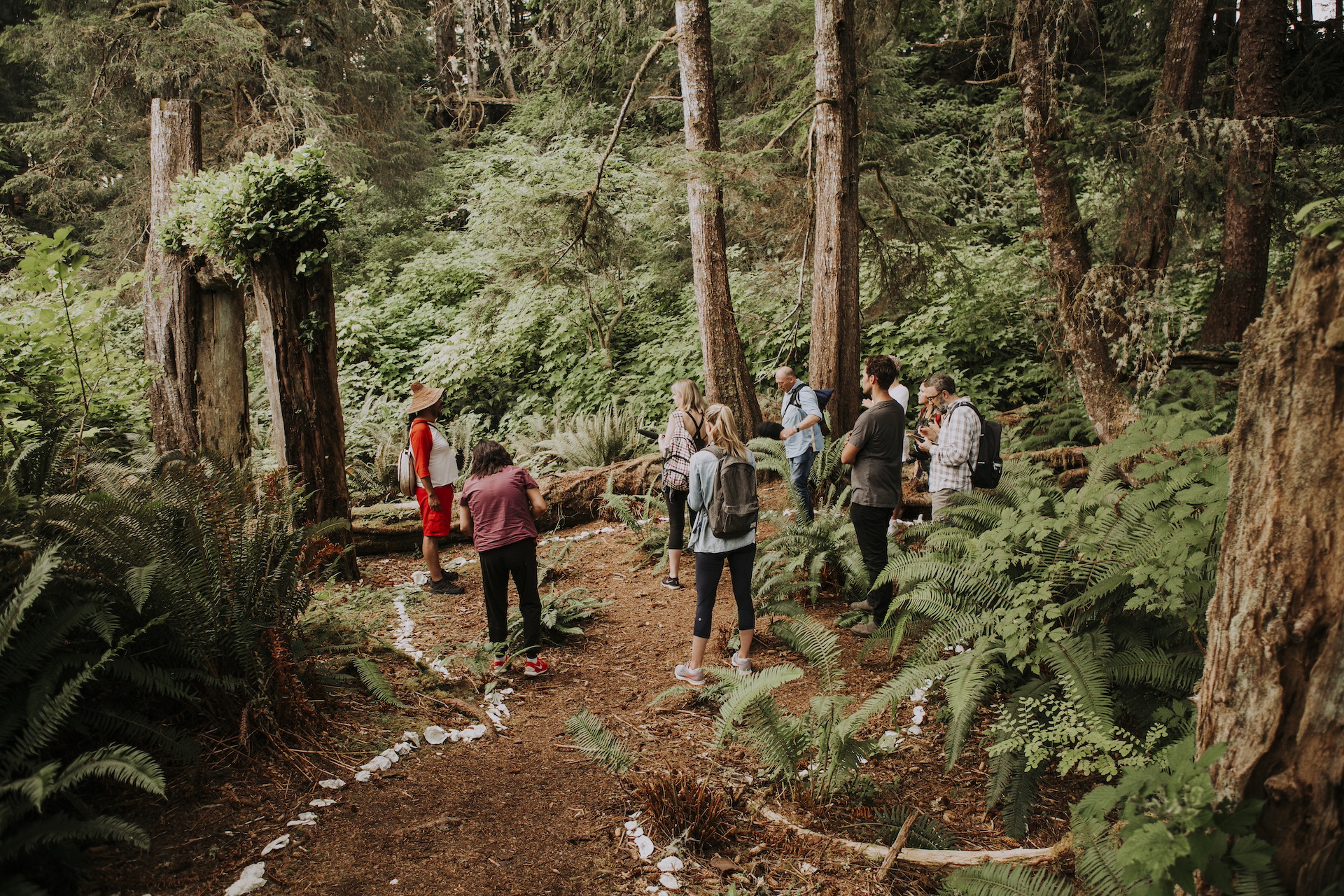
A leisurely stroll through a national park takes on new dimensions when led by an Indigenous guide, whose knowledge transforms the landscape into a living classroom. These walks are not mere excursions; they are ecological detective stories, where every rustle in the undergrowth, every unusual rock formation, and every birdcall becomes a clue to the land’s deeper history. Guides share insights into traditional plant uses—identifying medicinal herbs, edible berries, or fibers for cordage—while also highlighting modern conservation efforts. Children might be tasked with spotting animal tracks or collecting fallen leaves for a leaf-rubbing art project, turning passive observers into engaged explorers. The pace is unhurried, allowing time for questions and spontaneous detours to points of interest, such as a centuries-old gathering site or a sacred water source. For families, these walks foster a sense of wonder and responsibility, planting seeds of environmental stewardship that can grow long after the trip ends.
Some walks incorporate sensory elements, like blindfolded trust exercises where participants rely solely on touch or sound to navigate a short trail, or storytelling stops where guides recount how the land itself has witnessed pivotal moments in history. The inclusion of Indigenous place names—often rich with poetic meaning—adds another layer of depth, teaching families that every landscape has a name and a narrative beyond the generic labels of maps.
Traditional Food Gatherings: Feasting on the Land’s Bounty
Food is a universal language, and Indigenous food gatherings offer families a delicious entry point into cultural traditions. These experiences might begin with a foraging expedition, where guides teach participants to identify edible plants, mushrooms, or seafood—distinguishing between the nourishing and the toxic with the same reverence as a chef selecting ingredients. Back at a communal fire or outdoor kitchen, the real alchemy begins: roasting fish on cedar planks, grinding acorns into flour, or simmering a stew of wild game and foraged vegetables. Children are often given small, safe tasks, like stirring a pot or arranging flatbread on a griddle, which fosters a sense of pride and connection to the meal. The flavors are a revelation—earthy, smoky, and unapologetically wild, a far cry from the processed foods of modern diets. More than just a meal, these gatherings become a celebration of resilience, resourcefulness, and the deep relationship Indigenous peoples have maintained with their environments for millennia.
Dance and Music Workshops: The Rhythm of Ancestral Joy
Music and dance are the lifeblood of Indigenous cultures, serving as vessels for storytelling, healing, and communal bonding. In these workshops, families are invited to step into the rhythm of traditional songs, whether it’s the haunting melodies of a didgeridoo, the percussive beats of a hand drum, or the intricate footwork of a powwow dance. Children delight in the immediacy of the experience—feeling the vibrations of a drum through their bodies, learning the meaning behind each dance step, or experimenting with creating their own rhythms using natural instruments like seed pods or hollowed-out logs. The energy is infectious, with even the most reserved participants eventually joining in, their movements growing bolder with each refrain. For parents, these sessions offer a glimpse into the role of art in Indigenous societies, where creativity is not a hobby but a vital expression of identity and resistance. The workshops often conclude with a mini-performance, where families showcase their newfound skills, their laughter and applause echoing the joy of shared cultural exchange.
Wildlife Tracking and Animal Encounters: Reading the Signs of the Wild
The natural world is a vast, interconnected web, and Indigenous wildlife tracking workshops teach families to read its silent language. Guides demonstrate how to identify animal tracks, scat, and territorial markings, turning a simple hike into a detective game. Children learn to distinguish between the delicate prints of a rabbit and the broader, clawed marks of a bear, or to recognize the telltale signs of a beaver’s dam. Some experiences include visits to sanctuaries where rescued animals—such as eagles, wolves, or bison—are rehabilitated, offering families the chance to observe these creatures up close while learning about conservation efforts. The emphasis is on respect and observation; participants are taught to move quietly, to avoid disturbing habitats, and to understand the ecological roles each species plays. These encounters foster a sense of awe and humility, reminding families that humans are but one part of a much larger, interconnected system.
Medicinal Plant Tours: Healing Traditions in Every Petal
Beneath the surface of a meadow or along the banks of a river lies a pharmacy of natural remedies, and Indigenous medicinal plant tours invite families to explore this green apothecary. Guides introduce participants to plants like yarrow for wound healing, willow bark for pain relief, or sage for purification, explaining the science behind their uses while also sharing the cultural and spiritual significance of each herb. Children might be given a scavenger hunt list, tasked with finding specific plants and noting their uses, or they might participate in a simple remedy-making activity, such as crafting a healing salve or a soothing tea blend. The tours often include a discussion on ethical foraging practices, teaching families how to harvest sustainably and with gratitude. For many, these experiences are revelatory, challenging the notion that medicine must come in sterile, plastic-wrapped forms. Instead, they highlight the profound knowledge Indigenous peoples have accumulated over generations, offering a holistic approach to wellness that honors both body and earth.
Night Sky Astronomy: Constellations as Cultural Compasses
Long before GPS, Indigenous peoples navigated by the stars, and night sky astronomy tours bring this ancient wisdom to modern families. Under the vast, unobstructed skies of remote locations, guides point out constellations that tell stories of creation, morality, and the changing seasons. Children learn to identify the North Star using traditional methods, or to recognize the Milky Way as a celestial river guiding the spirits of the departed. Some tours incorporate telescopes or storytelling tools like projection domes, but the real magic lies in the oral traditions passed down through generations. A guide might recount how the Pleiades cluster represents a group of sisters fleeing a pursuer, or how the Southern Cross was used to determine direction in the Southern Hemisphere. These sessions are not just about astronomy; they are about preserving a connection to the cosmos that has guided Indigenous cultures for thousands of years. For families, they offer a humbling reminder of humanity’s small place in the universe—and the enduring power of storytelling.
Canoeing and Waterway Journeys: Paddling Through History
Few activities embody the spirit of exploration like gliding across a glassy lake or a meandering river, and Indigenous canoeing experiences turn this simple pleasure into a voyage through time. Guides share the significance of waterways in Indigenous cultures, whether as trade routes, ceremonial paths, or sources of sustenance. Families learn the art of paddling in unison, their strokes synchronized to the rhythm of a chant or drumbeat, while guides point out landmarks with historical or ecological importance. Some journeys include stops at sacred sites, where participants might leave an offering of tobacco or a spoken prayer, honoring the land and its original stewards. Children are often given the chance to take the helm, their confidence growing with each stroke as they navigate the waters under the watchful eye of their guide. The experience fosters a sense of teamwork and resilience, while also highlighting the importance of water conservation in an era of climate change.
Seasonal Celebrations: Marking Time Through Cultural Rituals
Indigenous cultures mark the passage of time through a calendar of seasonal ceremonies, and many tourism experiences invite families to participate in these rituals. Whether it’s a spring equinox gathering to welcome the return of migratory birds, a summer solstice celebration with bonfires and dances, or a fall harvest festival with feasts and games, these events offer a window into the cyclical worldview of Indigenous peoples. Children might help prepare traditional foods, craft decorations from natural materials, or take part in age-old games like stickball or lacrosse. The atmosphere is one of joy and reverence, with elders sharing stories that explain the significance of each season’s rituals. For families, these celebrations are a chance to slow down, to reconnect with the rhythms of nature, and to participate in traditions that have been observed for generations. They leave with a deeper appreciation for the way Indigenous cultures honor the earth’s cycles—and a renewed sense of wonder at the world around them.