Amsterdam’s compact streets and canals may feel like the center of the world, but a short ride out of the city reveals a landscape dotted with historic castles and iconic windmills. Each of these day trips offers a fresh lens on Dutch heritage, inviting travelers to step beyond the familiar museum rows and discover the engineering feats and noble histories that shaped the Netherlands. Below are curated excursions that promise to shift your perspective and spark curiosity about the country’s layered past.
1. Zaanse Schans – Windmills and Wooden Houses
Just a 20‑minute train ride from Amsterdam, Zaanse Schans is a living museum of 18th‑century industrial architecture. The site features eight fully operational windmills, each demonstrating a different trade—from grain grinding to oil pressing. Strolling alongside the iconic white‑painted houses, visitors can watch craftsmen at work, gaining insight into how wind power once drove daily life and commerce in the Dutch Golden Age.
2. Muiderslot – Medieval Fortress on the River Vecht
Located in Muiden, about 30 kilometers east of Amsterdam, Muiderslot is one of the best‑preserved medieval castles in the Netherlands. Built in 1280, the stone keep, moat, and period furnishings illustrate feudal power structures that coexisted with the burgeoning trade networks of the time. Interactive guides and archery demonstrations help visitors visualize life within its fortified walls.
3. Kinderdijk – UNESCO Windmill Landscape
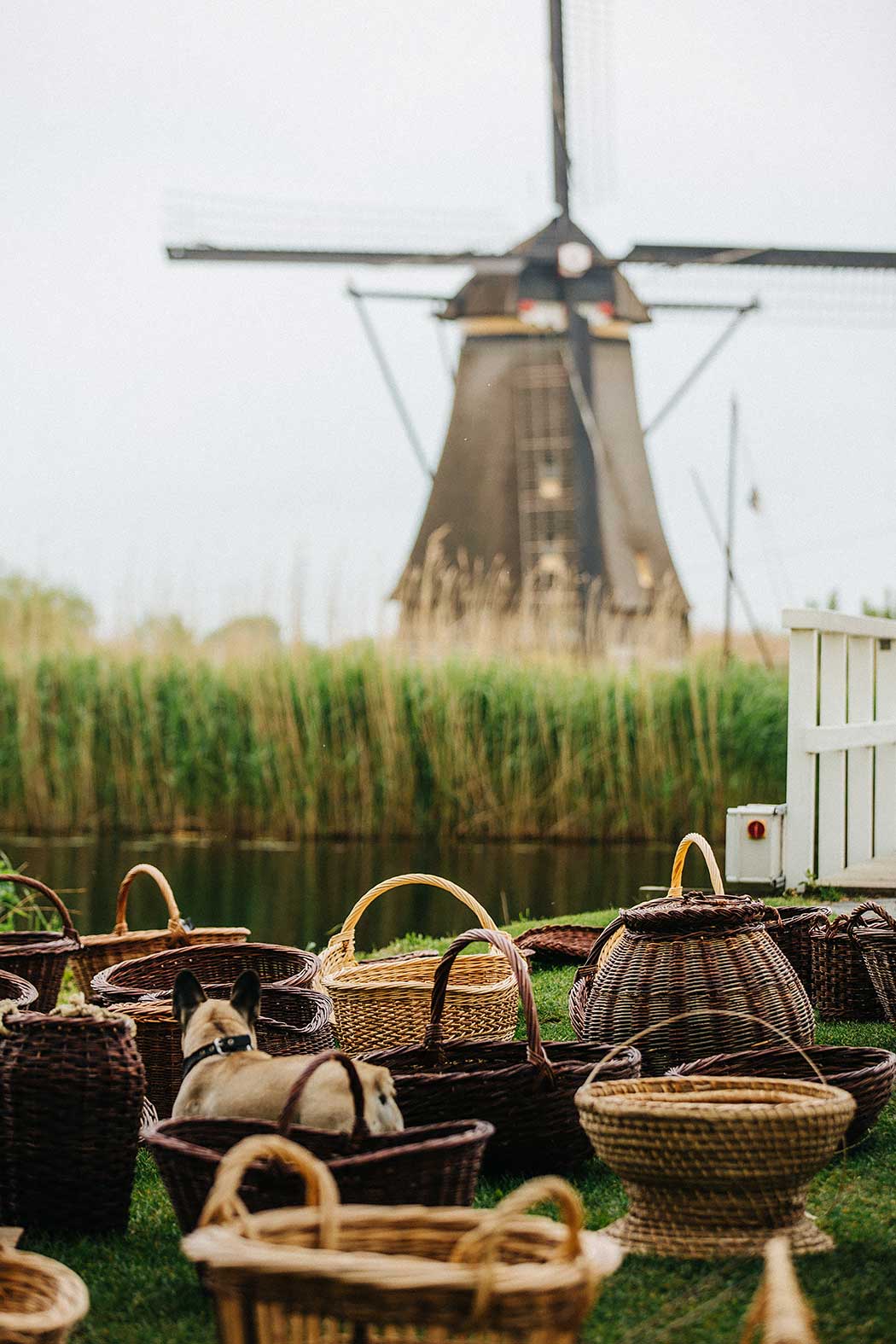
Though a bit farther at roughly 90 minutes by car, Kinderdijk’s 19 windmills form a UNESCO‑listed ensemble that exemplifies Dutch water management. The mills, aligned along the Alblasserwaard polder, showcase a centuries‑old system of flood control that turned precarious wetlands into fertile farmland. Guided boat tours reveal how the windmills worked in concert to regulate water levels, reinforcing the Netherlands’ reputation as a nation that conquered its watery environment.
4. De Haar Castle – Romantic Revival Architecture
In the town of Haarzuilens, De Haar Castle stands as a 19th‑century revival of medieval grandeur. The estate, with its moated garden, ornate towers, and period interiors, reflects the romantic nationalism that swept Europe after the Napoleonic Wars. A self‑guided audio tour narrates the castle’s evolution from a 14th‑century medieval stronghold to the lavish residence of the wealthy Van Zuylen family.
5. Alkmaar – Cheese Market and Historic Windmills
Alkmaar, famous for its traditional cheese market held every Friday morning, also boasts a collection of historic windmills that line the city’s outskirts. The market provides a tactile experience of Dutch dairy heritage, while the nearby windmills illustrate how agricultural production was once intimately tied to wind‑driven machinery. A short bike ride connects both attractions, offering a seamless glimpse into daily life in historic Holland.
6. Castle Heusden – Restored Medieval Fortress
Perched on a sandbank along the Maas River, Castle Heusden was reconstructed in the late 20th century to mirror its 13th‑century origins. The site includes a drawbridge, a donjon, and period‑accurate weaponry, allowing visitors to explore defensive strategies employed against river‑borne invaders. Seasonal events, such as medieval fairs, deepen the immersive experience.
7. Edam – Windmills Overlooking a Cheese‑Town
Edam, another historic cheese‑producing town, is framed by a series of traditional windmills that punctuate its flat horizon. A leisurely walk from the market square to the windmill hill offers panoramic views of the polder landscape and explains how wind energy supported grain processing, which in turn fed the dairy economy that made Edam famous worldwide.
8. Slot Loevestein – Prison Castle on the River Lek
Slot Loevestein, situated on a peninsula in the River Lek, served both as a defensive fortress and a state prison in the 17th century. The castle’s thick walls and underground cells illustrate the dual role of architecture as protection and confinement. Visitors can explore the escape tunnel used by political prisoner Hugo Grotius, revealing the interplay of power, law, and architecture in Dutch history.
9. Volendam – Picturesque Fishing Village with Windmills
Just north of Amsterdam, Volendam retains its 19th‑century fishing village charm, complete with wooden houses and a backdrop of historic windmills. The local museum details the evolution of the Dutch fishing industry, while the proximate windmills showcase how energy was harnessed to process fish and grain, linking maritime and agrarian economies.
10. Castle Duurstede – Water Castle on the River Merwede
Located in Gorinchem, Castle Duurstede is a classic example of a Dutch water castle, surrounded by a moat fed by the River Merwede. The 14th‑century brick keep and later Renaissance additions reveal layers of architectural adaptation. Guided tours focus on the castle’s role in controlling river traffic and defending the surrounding lands from both floods and foes.
11. Haarlem – Historic Windmills and the Teylers Museum
While Haarlem itself is a vibrant city, its outskirts host the historic De Adriaan windmill, once pivotal for paper production in the 16th century. The windmill’s restoration after a 1932 fire underscores the Dutch commitment to preserving industrial heritage. A short walk brings you to the Teylers Museum, the oldest museum in the Netherlands, where scientific curiosity meets the mechanical ingenuity of wind‑driven technology.
12. Castle Buren – Noble Residence with Surrounding Polder
In the town of Buren, Castle Buren stands as a 16th‑century noble residence that once hosted members of the House of Orange. The castle’s towers overlook the surrounding polder, a reclaimed area sustained by an intricate network of windmills and dikes. Visiting the castle offers insights into the political stature of Dutch nobility and the essential role of water management in maintaining their estates.