Bangkok’s street food scene is a culinary playground that offers more than just affordable meals—it can transform the way you experience the city. By following this guide, you’ll discover hidden stalls, negotiate like a local, and master budgeting tricks that turn each bite into a cultural revelation. Expect to shift your perspective from merely “saving money” to “maximizing flavor,” all while keeping your wallet comfortably intact.
1. Set a Daily Food Budget and Stick to It
Begin each day with a clear limit—typically 150–200 Thai baht (≈ $4–$5). This range covers a main dish, a drink, and a small dessert. Carry a small cash envelope for food only, and avoid using cards at stalls, as cash discounts are common. Tracking your spend in real time prevents surprise overages and forces you to explore the most cost‑effective options.
2. Prioritize Breakfast at Early‑Morning Markets
The first light hours (5 am–8 am) unlock the most budget‑friendly stalls. Vendors at markets like Talat Phahurat and Bang Rak offer rice porridge, fried dough sticks, and fresh fruit smoothies for as little as 30 baht. Early meals also beat the crowds, letting you choose the freshest items and secure a prime spot for later lunch pilgrimages.
3. Choose Dishes with Local Ingredients
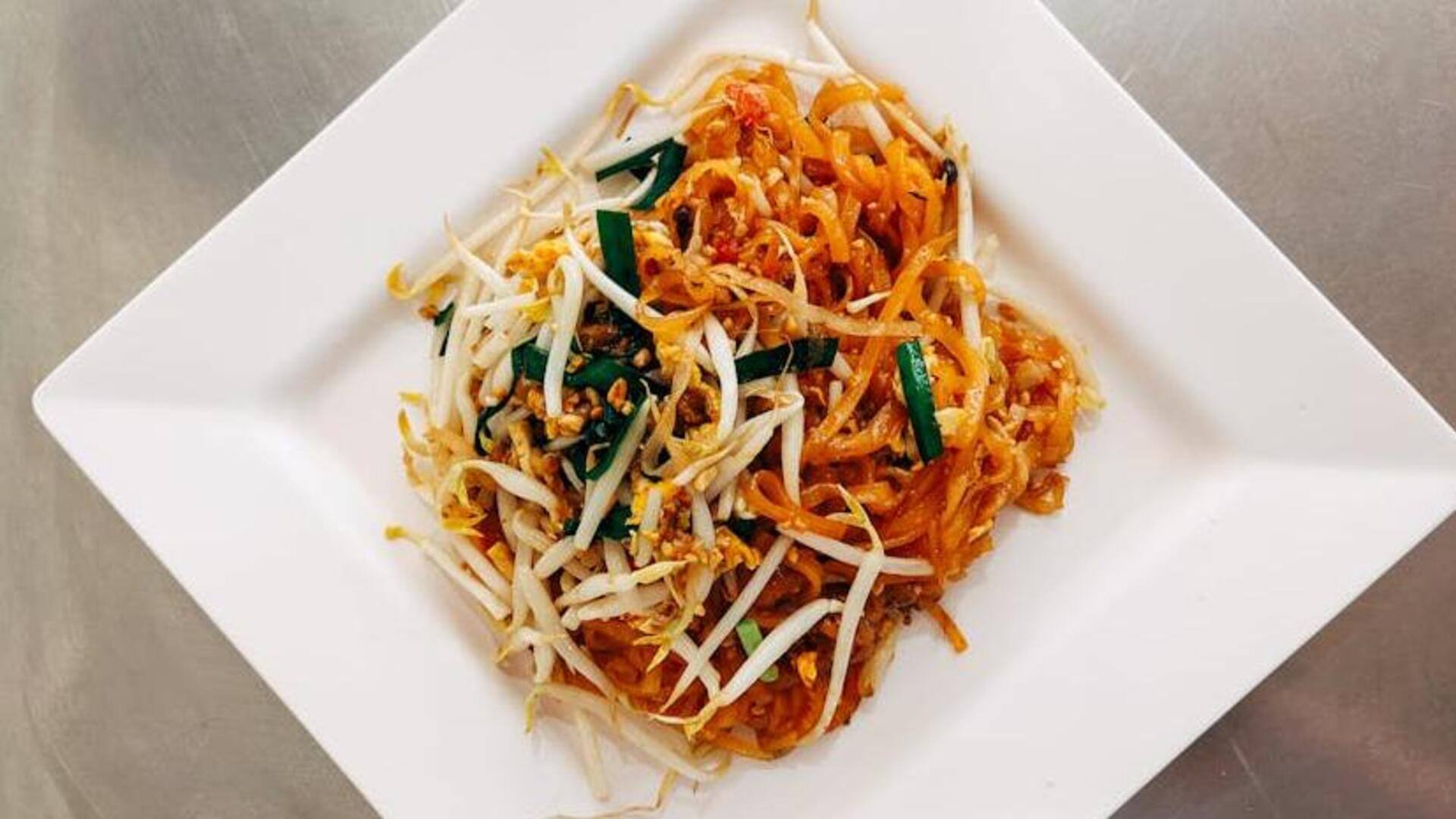
Stalls that rely on regional staples—rice, noodles, and seasonal vegetables—tend to be cheaper than those importing exotic proteins. Look for dishes such as pad thai with shrimp or tofu, khao man gai (chicken rice), and som tam (green papaya salad). Ingredients sourced locally keep prices low while delivering authentic flavors.
4. Embrace the “Plate of the Day” Concept
Many vendors post a rotating “plate of the day” board, featuring a special at a reduced price. These dishes are often prepared in bulk, allowing the stall owner to pass savings onto customers. Asking the cook about today’s special can lead to a meal for under 50 baht, expanding your culinary repertoire without breaking the bank.
5. Leverage Bulk Orders for Group Savings
If you’re traveling with companions, order multiple servings of the same dish. Vendors frequently offer a 10% discount for bulk purchases, especially for items like fried fish, grilled pork, or large baskets of spring rolls. Coordination not only reduces cost per plate but also creates a shared dining experience that deepens cultural immersion.
6. Use the “No Ice” Trick for Cheaper Drinks
Fresh coconut water and fruit juices are priced per cup, but adding ice often incurs a small surcharge. Request “no ice” and you’ll shave off a few baht while still enjoying the refreshing beverage. The saved amount adds up over several drinks, stretching your daily budget further.
7. Explore Night Markets for Off‑Peak Discounts
Night markets such as Rod Fai and Asiatique see a dip in prices after the initial rush (around 9 pm). Late‑night stall owners lower costs to attract lingering crowds. Visiting these markets during the quieter hours can net you identical dishes at 20% lower prices.
8. Master the Art of Small Talk for Price Negotiation
Thai street vendors appreciate polite conversation. A brief friendly exchange—asking about the dish’s ingredients or the vendor’s favorite menu item—can create rapport and sometimes result in a modest discount, especially if you’re buying multiple portions. Respectful engagement often yields a better price than a straightforward order.
9. Prioritize Street Food Certified by the “Bangkok Foodie” Badge
Local health authorities award a green badge to stalls meeting hygiene standards. While not all cheap stalls have this badge, those that do often provide reliable quality at low cost. Choosing certified vendors reduces the risk of foodborne issues, protecting both your health and your budget from unexpected medical expenses.
10. Pair Meals with Free Side Items
Many stalls automatically include complimentary sides like pickled vegetables, fresh herbs, or a small portion of rice. Accepting these extras adds volume to your meal without extra spending. Recognizing and utilizing these freebies maximizes satiety while keeping your tally within the set budget.
11. Swap Souvenirs for Snacks on the Go
Instead of buying packaged souvenirs, opt for portable snacks such as grilled corn, banana chips, or mango sticky rice. These items are inexpensive (often under 40 baht) and double as a tasty souvenir you can share with fellow travelers. This strategy saves money and adds an authentic flavor to your travel narrative.
12. Keep an Eye on Currency Exchange Rates
Small fluctuations in the baht‑to‑dollar rate can affect your purchasing power. Use reputable exchange services or withdraw cash from ATMs that offer competitive rates. Converting just before a major food excursion ensures you get the most baht for each dollar, giving you extra wiggle room for spontaneous treats.