In a world consumed by the relentless advance of artificial intelligence, it’s tempting to delegate every chore to a silicon brain. From writing emails to generating complex reports, AI feels like a digital Swiss army knife—always there, always efficient. But before you surrender every interaction to a chatbot or algorithm, pause. Some situations demand the irreplaceable nuance of a human touch. Blind trust in AI isn’t just naïve; it can be profoundly risky. Here are five critical scenarios where dialing a real person, not tapping a screen or clicking a button, is not just preferable—it’s essential.
1. Handling Sensitive or Emotional Customer Service Issues
AI excels in routine inquiries—the repetitive drone of order statuses, password resets, or FAQ responses. But when a customer is distressed, angry, or confused, emotions surge beyond standardized scripts. Algorithms may regurgitate empathetic words, but they lack genuine understanding. Human agents interpret frustration with subtlety, can detect underlying issues, and respond with compassion that calms rather than inflames.
Imagine calling tech support because your critical business software crashes during a deadline. An AI might direct you through generic troubleshooting. But in this tense scenario, you want a human who grasps the gravity, who can prioritize urgency over protocol.
2. Navigating Complex Financial or Legal Advice
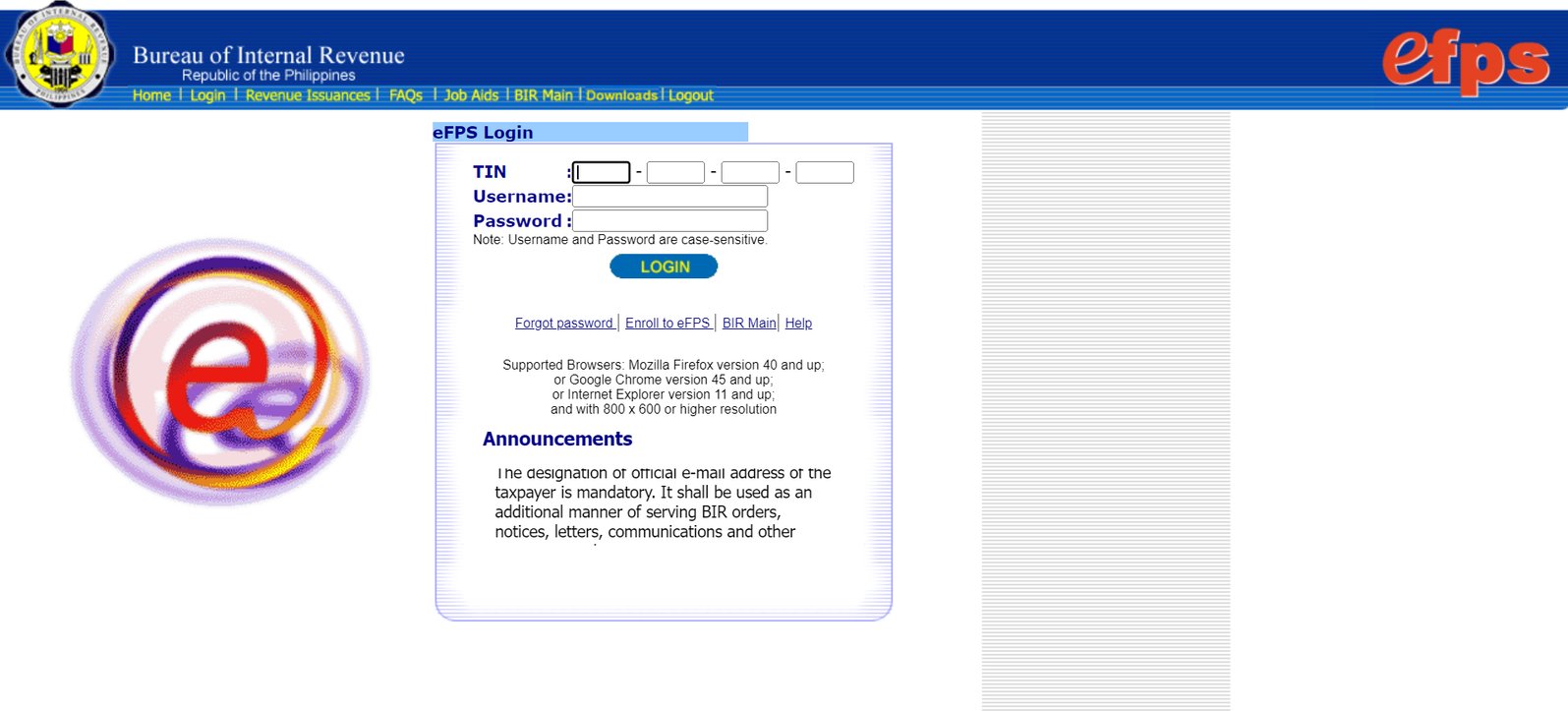
Money and law are labyrinthine domains where imprecision isn’t just costly—it’s catastrophic. AI tools can crunch numbers and parse regulations, yes, but they can’t grasp nuance, context, or evolving precedents with the dexterity of a seasoned expert. Tax filings, legal disputes, estate planning, or contract negotiations require insight into your unique circumstances, possible ramifications, and even ethical considerations.
Think about meticulously preparing your tax return, where a misinterpreted deduction or overlooked clause can spiral into penalties or audits. Automated tools might miss such granular details or provide outdated guidance. Consulting with a qualified human professional remains the gold standard for safeguarding your interests.

3. Making High-Stakes Healthcare Decisions
Healthcare isn’t a procedural checklist—it’s a mosaic of individual biology, psychology, and circumstances. While AI tools aggregate vast data about symptoms, treatments, and outcomes, treatment decisions hinge on intangible factors: your medical history, lifestyle, preferences, and emotional wellbeing. The cold logic of an algorithm doesn’t replace the seasoned clinician’s intuition.
When grappling with a serious diagnosis or considering surgical options, the human practitioner provides not only expertise but reassurance, context, and the humanity that technology can’t emulate. They adjust recommendations in real time, acknowledge uncertainty, and respect your voice in shared decision-making.
4. Creative Brainstorming and Innovation
AI can generate ideas by remixing existing data points, but true innovation demands a spark—a cognitive leap beyond pattern recognition. Creativity thrives on serendipity, intuition, and the unpredictable convergence of experiences. When you’re forging new concepts, strategies, or artistic expressions, human collaboration sparks connection and challenges assumptions in ways that AI simply can’t replicate.
Relying solely on AI in ideation risks becoming trapped in echo chambers of existing knowledge, preventing breakthroughs. The messy, nonlinear, and sometimes chaotic process of creativity is profoundly human.
5. Crisis Management and Decision-Making Under Pressure
In moments of acute crisis—natural disasters, corporate scandals, or personal emergencies—timely, flexible, and ethical decisions can mean the difference between disaster and resilience. AI systems operate strictly within programmed parameters, which can blindside them when unprecedented situations arise.
Human leaders integrate intuition, moral judgment, and evolving situational awareness to adapt swiftly. They negotiate ambiguity and make calls beyond binary logic. In the chaos of crisis, canned AI responses collapse; only human ingenuity navigates the turbulence.
AI will continue to transform how we work, communicate, and live, no doubt. But it is not a panacea. The seductive allure of automation must be tempered with discernment. Recognize when your problems transcend computation or programmed empathy, and seek the irreplaceable wisdom of another human being. In those critical junctures, your best tool is not a machine—it’s a mind.