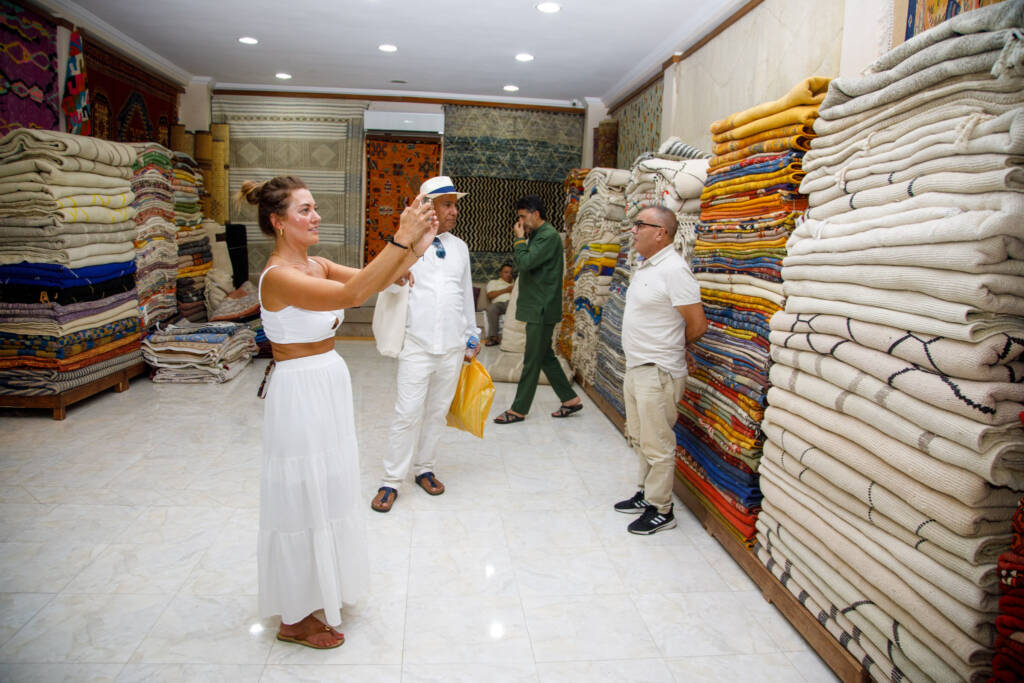
Haggling in Marrakech’s luxury markets can be a rewarding experience when approached with confidence and preparation. Below are key strategies and insights that will help you navigate the vibrant souks, secure fair prices, and enjoy the cultural exchange that defines the city’s high‑end shopping scene.
1. Research Market Prices Before You Arrive
Understanding the typical price range for items such as handcrafted leather goods, Berber rugs, or custom jewelry gives you a solid baseline. Consult online catalogs, travel forums, and recent traveler reviews to compile average costs. Armed with this data, you can quickly identify inflated listings and negotiate from an informed position.
2. Arrive Early to Avoid Crowds
The luxury sections of Marrakech’s souks are busiest in the late morning and early afternoon. Visiting before 10 a.m. not only gives you a quieter environment to negotiate, but also increases the likelihood that vendors will be more eager to make a sale before the rush begins.
3. Dress the Part
While Marrakech is a casual city, presenting yourself in smart‑casual attire signals seriousness and respect for the quality of the merchandise. A well‑fitted shirt, clean shoes, and modest accessories convey that you are a discerning buyer, prompting vendors to respond with professional courtesy.
4. Build Rapport Before Discussing Price
Spend a few minutes chatting with the vendor about the craft, the materials, or the story behind the piece. A genuine compliment about the workmanship establishes trust, making the subsequent price discussion feel like a collaborative effort rather than a hostile confrontation.
5. Use the “Walk‑Away” Technique Strategically
After the vendor quotes a price, pause and slowly step backward as if leaving. This subtle cue often triggers a rapid reassessment, and the seller may call you back with a reduced offer. The key is to stay composed; a genuine willingness to leave can be more persuasive than overt bargaining.
6. Bundle Items for a Better Deal
If you are interested in multiple products from the same stall—such as a set of lanterns, a leather bag, and a decorative pillow—ask for a combined discount. Vendors are more inclined to lower the total price when they secure a larger sale in a single transaction.
7. Leverage Local Currency Advantages
Paying in Moroccan dirhams rather than foreign currency often yields a more favorable exchange rate. Vendors appreciate the simplicity of local transactions and may offer a small price reduction as a gesture of goodwill.
8. Know When to Accept the Final Offer
Luxury markets in Marrakech have a realistic ceiling for negotiation. When the vendor’s counteroffer aligns closely with your research data and feels fair, it is prudent to accept. Pushing beyond this point can strain the relationship and may result in losing the purchase entirely.
9. Request Authenticity Certificates
For high‑value items such as antique silver or gold jewelry, ask for a certificate of authenticity. A reputable vendor will provide documentation, which not only confirms the item’s provenance but also serves as leverage if you need to negotiate price adjustments based on verified quality.
10. Keep a Polite Yet Firm Tone
Maintain a respectful demeanor while clearly stating your target price. Firmness shows you know the item’s worth, while politeness prevents the vendor from feeling challenged. This balance encourages a collaborative negotiation rather than a confrontational exchange.
11. Utilize the “Market Counter” Rule
In many Moroccan markets, a common practice is to offer roughly 30 percent less than the initial asking price. Starting with this figure sets a realistic anchor and signals that you understand local bargaining customs.
12. Follow Up With a Thank‑You Gesture
After securing a purchase, a small token of appreciation—such as a compliment about the vendor’s craft or a modest tip—reinforces goodwill. This gesture can be valuable for future visits, as many sellers remember courteous customers and may offer preferential treatment on subsequent trips.