There’s a tantalizing paradox in travel: we lust after iconic destinations saturated by postcards and influencer feeds, yet shy away from the crushing crowds and exorbitant prices that come with them. The quest for a utopian getaway often meets harsh reality, where dream locales drag you into the quagmire of inflated costs and flooding tourists. But what if an algorithmic oracle could unveil a secret society of “dupe destinations”—places that mirror the allure and essence of your dream spot, but without the financial punishing or the swarm of humanity? Welcome to the new era of AI-powered travel discovery, where you can hack your wanderlust to uncover cheaper, quieter, and sometimes more authentic alternatives.
Understanding the Fascination with Dupe Destinations
It’s no accident that travelers fixate on certain illusive locales. There’s a complex alchemy of cultural mythos, cinematic frames, and social proof that elevate some places into the collective imagination’s pantheon of must-sees. Yet, this fascination often blinds us to regions that share their intrinsic qualities but haven’t been plucked from obscurity or exploited by mass tourism. Dual croons of familiarity and novelty keep these dupes under the radar. They echo the dream destination’s ambiance—similar landscapes, architecture, or even cultural rituals—but come unburdened by the usual price gouging or sardine-can experiences.
The deeper appeal lies in the subconscious yearning to own a piece of the same magic without surrendering to its inflationary realities. Dupe destinations offer a respite not just economically but psychologically, giving travelers a sense of insider privilege, like they’ve uncovered a secret that others have yet to discover. This dynamic fuels a new breed of explorers, led not by guidebooks but by sophisticated data and AI tools.
The AI Revolution in Destination Discovery
Artificial Intelligence, once a buzzword confined to futuristic fantasies, now stands as an indispensable travel companion. Beneath its calculating surface lies a subtle art of pattern recognition and predictive analytics that can sift through millions of variables—climate, visitor density, flight costs, accommodation pricing—to sketch out alternatives that echo your ideal holiday spot but at a fraction of the cost.
Leveraging AI tools is akin to having a seasoned local guide who knows every hidden cove, overlooked café, and overlooked village that matches your dream destination’s spirit. These algorithms assimilate user preferences, historical travel trends, and current market fluxes to suggest “dupe destinations” tailored specifically to your travel DNA. They eliminate guesswork, replacing it with informed possibilities that challenge your habitual vacation choices.

How to Use AI to Identify Dupe Destinations
Begin with articulating what exactly captivates you about your dream destination. Is it the lush greenery, the vibrant street art, the culinary scene, or the historical ambiance? AI’s true strength lies in breaking down these nebulous desires into quantifiable parameters.
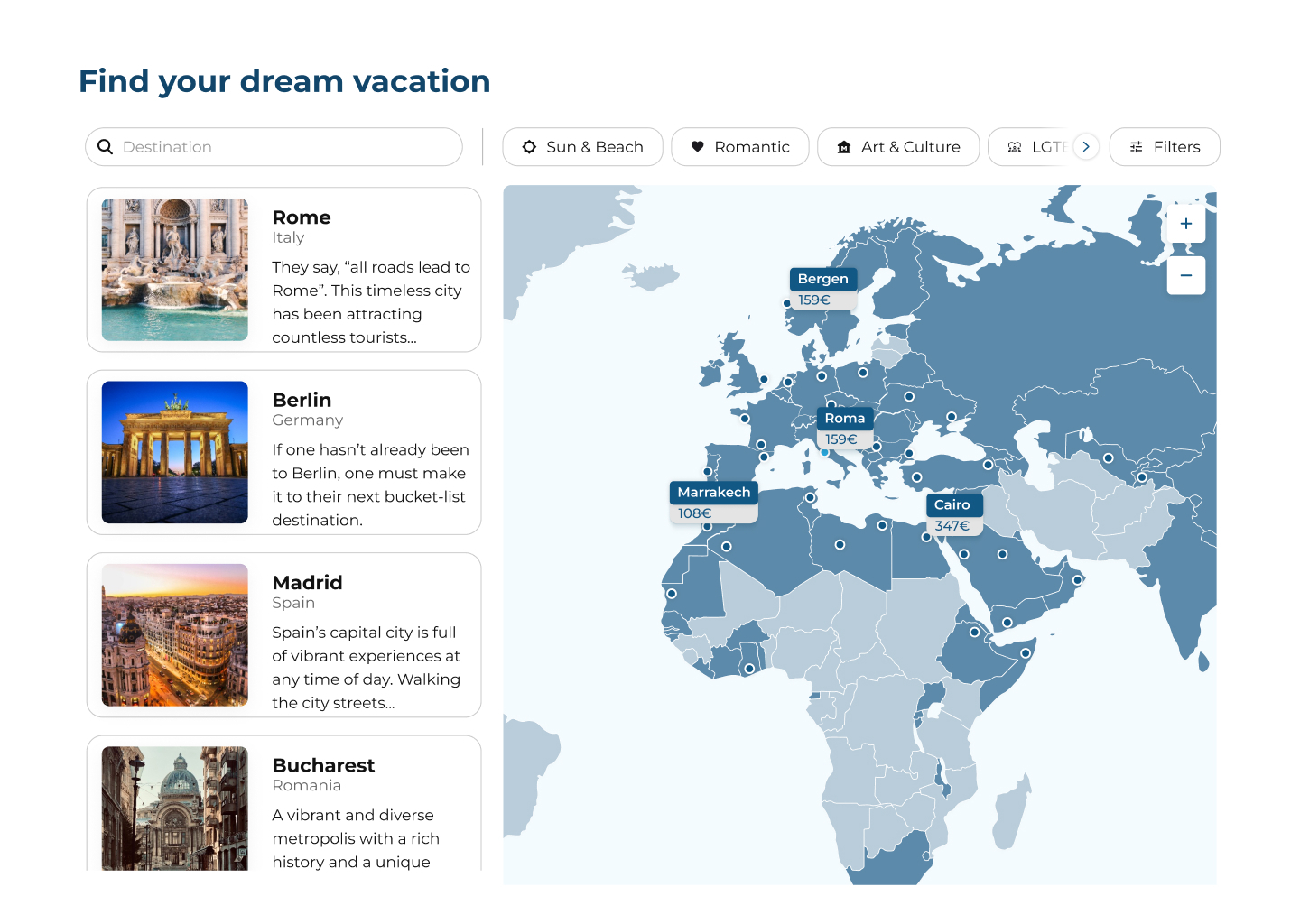
Several platforms now incorporate AI-driven search tools that allow you to plug in these attributes and generate lists of comparable locales worldwide. For example, if you dream of the romantic canals of Venice but dread the crowds and prices, the AI might suggest exploring the lesser-known waterways of Annecy in France or Giethoorn in the Netherlands. These places retain the scenic charm yet offer better value and less frenzied atmospheres.
To maximize results, couple broad strokes—like ‘Mediterranean coastal towns’ or ‘Andean mountain villages’—with specific metrics such as budget thresholds or preferred seasonal windows. The AI then cross-references travel cost data, accommodation availability, and sentiment analysis from traveler reviews to surface options that fit your criteria.
Being Skeptical: Avoiding the Mirage
Not every AI-recommended alternative is a true dupe or an untouched gem. There’s a risk that some suggestions may feel like pale imitations or lack the authentic vibe that made your original destination so alluring. This is where your own intuition and deeper research come into play. Use the AI’s output as a starting point, not gospel.
Dig into traveler forums, consult local blogs, and watch firsthand vlogs from the suggested locations. The goal is to ensure the emotional and experiential essence aligns with your dream. Consider seasonal events, linguistic nuances, and even the local pace of life, which might differ drastically despite surface-level similarities.
Integrating AI with Human Intuition to Craft Perfect Itineraries
AI excels at generating options and pruning the impossible. But travel, after all, is an art as much as a science. Combining AI’s capability with your own curiosity and personal tastes yields the richest outcomes.
After narrowing down your dupe destinations, leverage AI-powered tools to assist in booking flights, accommodations, and experiences. These tools help spot hidden deals, optimize routes, and even suggest localized prompts or travel hacks that save time and money—turning these faux paradises into accessible realities.
The Cultural and Ethical Dimensions of Choosing Dupe Destinations
Choosing less popular but similar destinations isn’t just a budget hack; it can serve as a conscious ethical choice. Over-tourism in iconic locations often results in environmental degradation, inflated local prices, and the erosion of cultural authenticity. Dupe destinations, often overlooked, can benefit from a more measured inflow of tourism, enabling sustainable growth that respects the local ecosystem and residents.
However, the sudden influx of visitors triggered by AI-driven popularity may alter the character of these dupes over time. As travelers, fostering respect and mindful engagement is key to preserving their charm and viability. This conscious approach elevates your travel experience into a form of meaningful connection rather than mere consumption.
Conclusion: Embracing the AI-Enabled Art of Discovery
The age-old pursuit of ideal travel is undergoing a quiet revolution. Harnessing AI to find dupe destinations empowers travelers not only with economic savviness but with a deeper, more nuanced exploration of the world. It invites you to challenge the established hierarchies of tourism and embrace a democratized, personalized globe-trotting adventure—one where the dream isn’t compromised but reinvented with ingenuity.
In this dance between data and desire, the wanderer becomes an alchemist. The dream spot need no longer be a far-off, overpriced fortress inaccessible to most. Instead, it can be a vibrant reality, discovered in unexpected corners, waiting for you to claim it as your own.