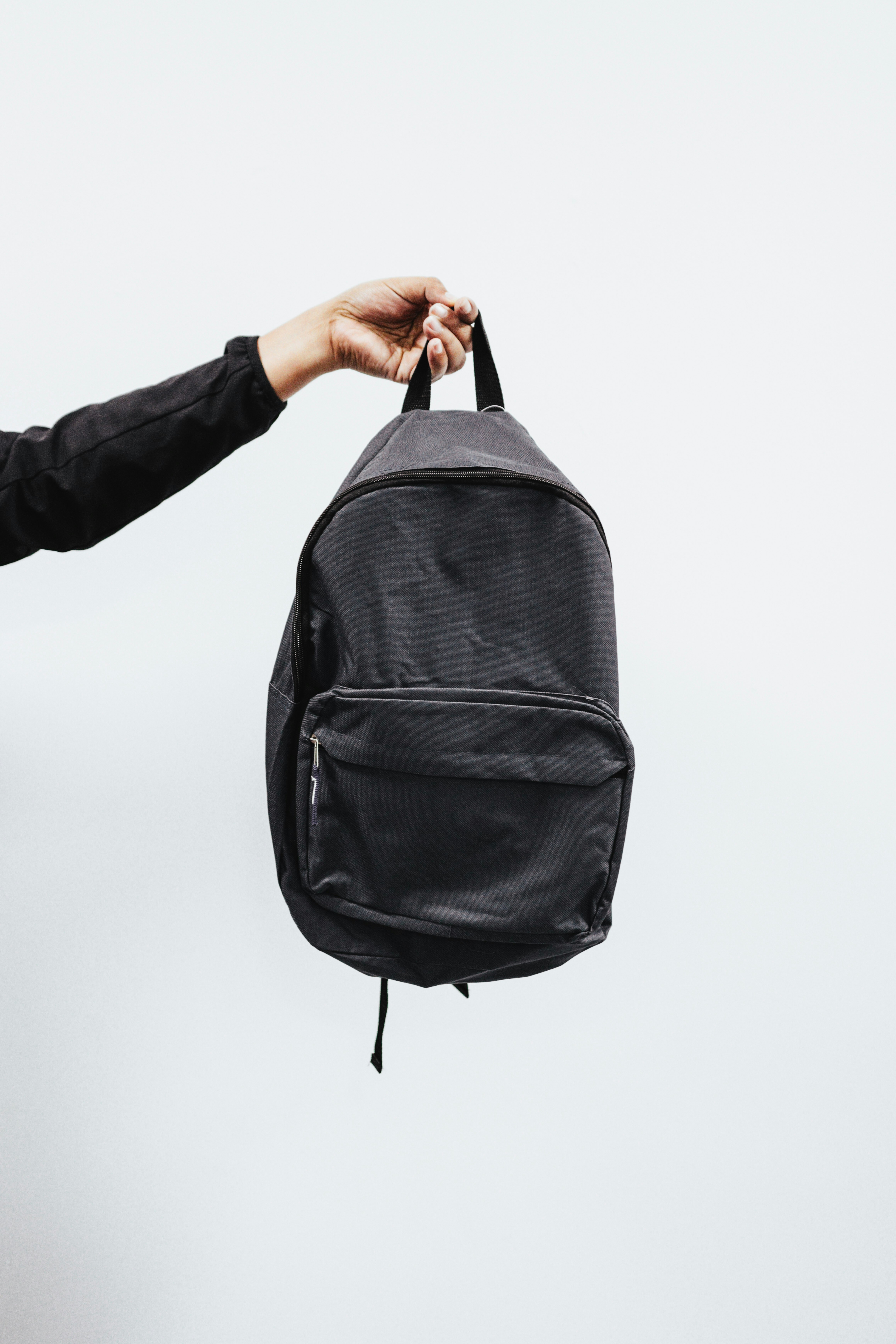
There’s a particular alchemy to packing a solo traveler’s “go bag” for day trips—one that transforms a mere sack of essentials into a portable sanctuary of preparedness. The right daypack doesn’t just carry your belongings; it anticipates the unpredictable, cushions the mundane, and elevates the ordinary into something almost cinematic. Whether you’re navigating the labyrinthine souks of Marrakech, scaling the vertiginous cliffs of Santorini, or getting lost in the neon-lit sprawl of Tokyo, your daypack is your first line of defense against chaos. It’s where practicality meets poetry, where necessity wears the guise of elegance. This isn’t just about what you bring—it’s about how you bring it, why you bring it, and what it allows you to become when the world refuses to stand still.
The Art of the Unburdened Carry: Choosing the Right Daypack
Not all daypacks are created equal. The ideal one should feel like an extension of your body—light enough to forget, yet sturdy enough to endure the rigors of a day spent in motion. Look for packs with a capacity between 15 and 30 liters; anything smaller is a prison, anything larger is a burden. Opt for materials that whisper rather than scream—ripstop nylon or waxed canvas that resists the elements without announcing its presence. Ventilation is non-negotiable; a breathable back panel prevents the dreaded “sweat swamp” that turns a day of exploration into a personal sauna. Consider modular designs with external pockets for quick access to essentials, or sleek, minimalist silhouettes that blend into urban landscapes. The best daypacks are chameleons—equally at home in a bustling market or a quiet mountain trail.
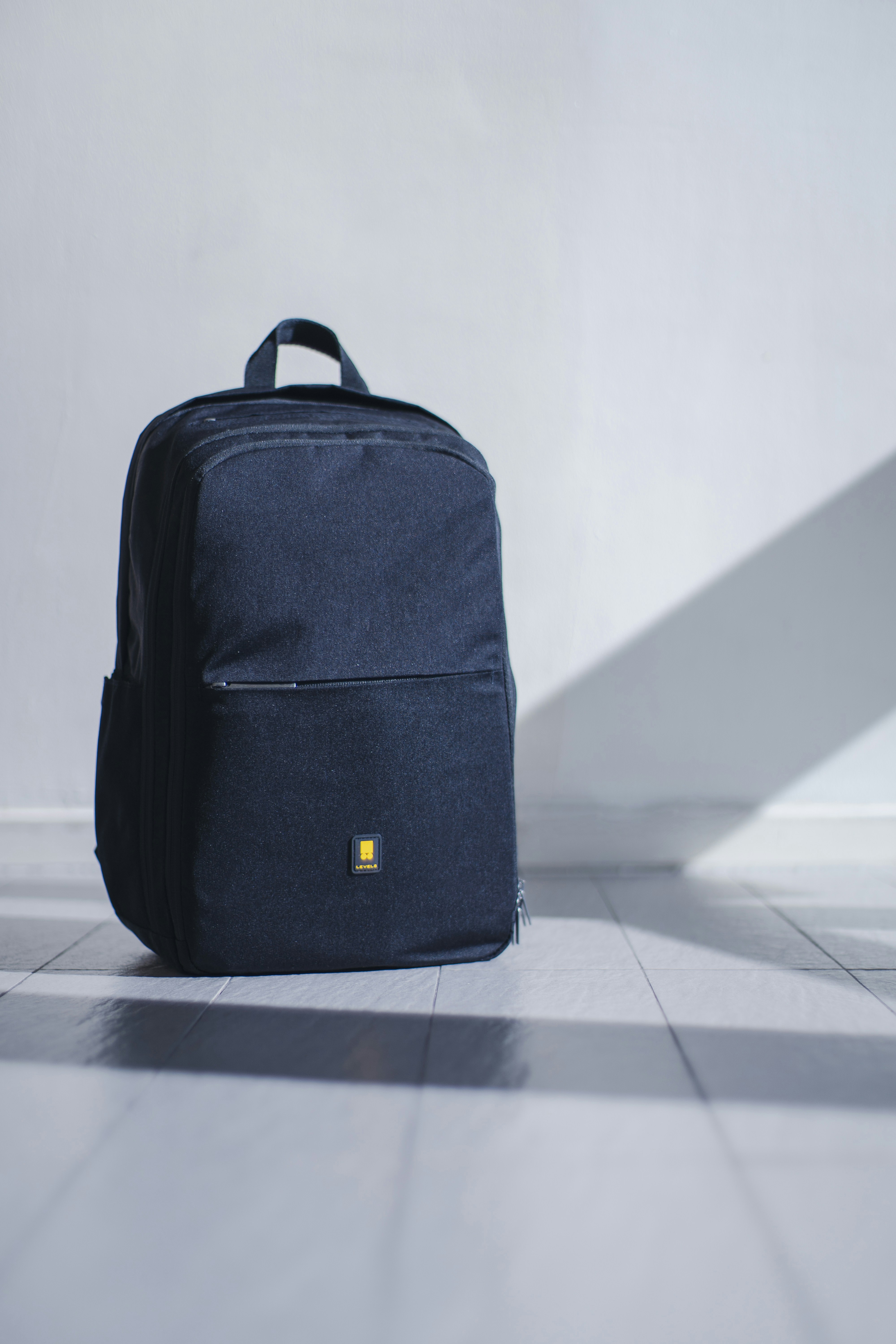
The Digital Arsenal: Tech That Travels Light
Your phone is your compass, your camera, your translator, and your lifeline to the outside world—but it’s also a fragile, power-hungry beast that demands constant sustenance. A compact power bank with at least 10,000mAh capacity is non-negotiable; the last thing you want is a dead device when you’re miles from the nearest outlet. Pair it with a foldable cable organizer to prevent the dreaded “spaghetti syndrome” that plagues every traveler’s bag. A universal adapter is your diplomatic passport to foreign electrical landscapes, while noise-canceling earbuds transform crowded trains into personal retreats. Don’t forget a portable SSD for storing photos and documents—cloud storage is a luxury, not a guarantee. And if you’re venturing into remote areas, a solar-powered charger becomes less of an accessory and more of a survival tool. Tech in your daypack isn’t about gadgetry; it’s about resilience.

The Hydration Gambit: Water Without the Weight
Water is the elixir of exploration, but lugging a two-liter bottle is a one-way ticket to back pain. Enter the collapsible water bottle—a marvel of modern engineering that flattens into nothingness when empty. Pair it with a reusable silicone straw for discreet sipping in cultures where drinking in public is frowned upon. If you’re heading into arid climates, a hydration bladder with a built-in filter becomes indispensable, turning murky streams into potable water. For urban adventurers, a collapsible coffee cup doubles as a hydration vessel and a caffeine delivery system. The key is to think of water not as a burden, but as a fluid necessity that adapts to your journey. Dehydration isn’t just uncomfortable—it’s a silent saboteur of joy.

The Wardrobe of Possibility: Clothing That Adapts
Your clothing choices should be a study in versatility. A lightweight, quick-dry shirt that wicks sweat and resists stains is worth its weight in gold. Convertible pants that zip off into shorts are a traveler’s best friend, allowing you to pivot from urban exploration to outdoor adventure without missing a beat. A packable down jacket or a merino wool sweater serves as both insulation and a pillow in a pinch. Footwear is the linchpin of your ensemble—a pair of breathable, water-resistant sneakers with arch support can handle cobblestones, sand, and everything in between. Don’t forget a compact, packable sun hat and a pair of polarized sunglasses to shield your eyes from the tyranny of glare. The goal isn’t to look fashionable; it’s to move unencumbered, to blend in, and to be ready for whatever the day throws at you.

The Survival Kit: First Aid and Beyond
A daypack isn’t just a vessel for your belongings—it’s a mobile first-aid station. A compact kit should include blister pads, antiseptic wipes, a mini tube of hydrocortisone cream, and a few basic medications (antihistamines, pain relievers, and anti-diarrheal). A small roll of duct tape can fix everything from torn clothing to leaky water bottles. A multi-tool or a Swiss Army knife is the Swiss Army of the travel world—handy for everything from opening cans to cutting cheese. Don’t overlook the psychological first aid: a pack of tissues for unexpected allergies, a small notebook for jotting down thoughts, and a pen that actually works. The best survival kits are the ones you never have to use—but when you do, they’re worth their weight in gold.

The Culinary Compass: Snacks for the Unpredictable
Food is fuel, but it’s also comfort, culture, and a conversation starter. Pack snacks that are calorie-dense, non-perishable, and culturally neutral—think energy bars, nuts, dried fruit, and jerky. A collapsible spork and a small container of spices (salt, pepper, chili flakes) can transform a bland airport meal into a gourmet experience. For the caffeine-dependent, a single-serve coffee pouch and a portable filter can turn any cup into a café. If you’re heading into regions where tap water is questionable, a small bottle of electrolyte tablets ensures you won’t crumple from dehydration. The key is to think of food not as an afterthought, but as a strategic asset—one that keeps you energized, alert, and ready to seize the day.

The Security Sentinel: Protecting What Matters
Solo travel demands vigilance, and your daypack should reflect that. A slash-proof bag with lockable zippers is your first line of defense against pickpockets. A money belt or a hidden pouch keeps your passport, cash, and cards close to your body—where they belong. A dummy wallet with expired cards and a few dollars can be sacrificed in a pinch, buying you time to escape sticky situations. If you’re in high-risk areas, a portable door alarm or a door wedge can turn a flimsy hotel room into a fortress. The goal isn’t paranoia; it’s preparedness. The world is full of wonders, but it’s also full of wolves in sheep’s clothing.

The Final Flourish: The Little Things That Make a Difference
It’s the small details that elevate a daypack from functional to extraordinary. A microfiber towel that dries in minutes and folds into a pocket-sized square. A deck of cards for impromptu games with strangers. A small bottle of hand sanitizer to banish the grime of public transit. A power bank that doubles as a flashlight for late-night wanderings. A pen that writes upside down, just in case. A bandana that serves as a towel, a scarf, or a makeshift sling. These aren’t luxuries; they’re the threads that weave comfort into chaos. The best daypacks aren’t just packed—they’re curated, with each item serving a purpose, no matter how small.