Welcome to an exploration that defies conventional wisdom, peeling back layers of modern psychiatry to confront a daring query: Can forest bathing—a serene communion with nature—truly substitute for antidepressants? In this narrative voyage, we traverse the quiet trails of ancient practices and the bustling corridors of contemporary medicine, inviting you to reevaluate what it means to heal.
The Essence of Forest Bathing (Shinrin-Yoku)
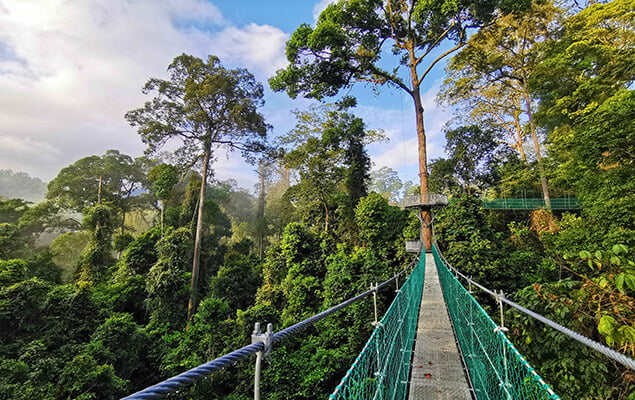
Rooted in Japanese tradition, shinrin-yoku, or forest bathing, is a therapeutic immersion in natural settings. Unlike hiking, this practice emphasizes mindful presence: observing the rustle of leaves, inhaling the crisp air, and allowing nature’s symphony to envelop the senses. Scientifically, it has been shown to reduce cortisol levels, lower blood pressure, and boost immune function via increased polymorphous leukocytes. Yet, its deeper impact—on mental health—is where our inquiry begins.

The Antidepressant Landscape
Antidepressants, from selective serotonin reuptake inhibitors (SSRIs) to newer mood stabilizers, have long been the cornerstone of treating major depressive disorder. Their efficacy is undeniable, yet they are not without caveats—side effects ranging from sexual dysfunction to weight gain, and a one-size-fits-all approach that often overlooks individual variability. This pharmaceutical paradigm prompts us to consider alternatives that may align more harmoniously with human biology.
Psychiatrist Perspectives: A Dialogue
To navigate this terrain, we turn to Dr. Eleanor Vance, a psychiatrist renowned for her integrative approach to mental health. “Forest bathing,” she posits, “offers a pharmacological-free pathway to neurotransmitter modulation.” She cites studies indicating increased levels of gamma-aminobutyric acid (GABA) and serotonin in participants after exposure to forest environments—a biochemical cousin of many antidepressants.
However, Dr. Vance cautions against an outright substitution. “While nature can be profoundly therapeutic,” she notes, “it is not a panacea for severe clinical depression.” She emphasizes that individual needs, severity of symptoms, and co-occurring conditions necessitate a tailored strategy, possibly combining forest immersion with conventional treatments.
Biochemical Synergies: Nature vs. Pharma
The biochemical interplay between forest bathing and antidepressants is intriguing. Forests emit phytoncides—organic compounds that not only protect plants but also induce relaxation in humans. These compounds have been linked to reduced inflammation and enhanced immune response, mirroring the physiological effects of certain antidepressant classes targeting inflammatory pathways associated with mood disorders.
Yet, the subtlety of phytoncide exposure contrasts sharply with the precise dosing of pharmacological agents. The former is inherently variable—seasonal changes, time spent in the forest, and individual sensitivity all play pivotal roles. This variability necessitates a different model of assessment and adherence, challenging both practitioners and patients to embrace flexibility.
Cultural and Psychological Dimensions
Forests are more than biological entities; they are cultural reservoirs of meaning and psychology. The concept of nature therapy resonates deeply across cultures, from indigenous healing practices to modern mindfulness movements. Psychologically, the forest offers a canvas for cognitive reframing: confronting fears within a natural landscape can catalyze personal growth and resilience.
This cultural tapestry enriches our understanding of mental health beyond biochemical metrics, suggesting that holistic approaches—incorporating spiritual, social, and environmental elements—could be pivotal in comprehensive treatment plans.
Practical Implications: Integrating Nature into Modern Life
For those intrigued by the prospect of forest bathing as a supplement—or even an alternative—to antidepressants, practical steps abound. Initiatives like the Natural Therapy Programmes in Japan provide structured forest immersion experiences, complete with guided meditations and expert insights. Locally, community parks and nature preserves can serve as accessible sanctuaries for self-directed practice.
The key lies in consistent engagement—an hour weekly may yield incremental benefits, yet the synergistic effects of regular, mindful exposure are undeniable. Coupled with professional guidance, forest bathing can augment mental health strategies, offering a breath of fresh air amidst conventional treatments.
Conclusion: A Shift in Perspective
In conclusion, while forest bathing holds promise as a complementary avenue to antidepressants, it is neither a direct substitute nor an oversimplified solution. Instead, it invites a shift in perspective—one that honors the intricate dance between human biology and the natural world. As we tread these green pathways, let curiosity guide us: How might our relationship with nature reshape our understanding of healing?