The solitary traveler’s dilemma is often not the solitude itself, but the silence that descends at mealtime. You can navigate foreign metros and conquer ancient ruins alone, but the act of eating—communal, sensory, intimate—often feels incomplete without a shared story. It is this very friction that has birthed a curious modern pilgrimage: the cooking class vacation. For the solo wanderer, these are not mere lessons in gastronomy; they are social crucibles where strangers become temporary familiars over the hiss of a wok or the scent of freshly ground cumin. The deeper fascination lies in the alchemy of hands and ingredients—a universal language that bypasses the awkwardness of small talk, offering a structured intimacy that feels both safe and transformative.
The Gastro-Social Alchemy: Why Food Breaks Barriers
Traditional travel often places soloists in voyeuristic roles—observing, snapping photographs, but rarely participating. A cooking class inverts this dynamic entirely. It demands collaboration. You are not simply watching a chef; you are mincing garlic alongside a graphic designer from Seoul and a retired nurse from Montreal. The shared task of deboning a fish or kneading a loaf of sourdough creates a palpable, non-verbal rapport. This is the essence of what anthropologists might call “commensality”—the act of eating together as a social bond. Yet, the class adds a layer of constructive purpose. You are not just sharing a table; you are co-creating the meal. For the solo traveler, this offers a profound pivot from passive observation to active community membership, often dissolving linguistic and cultural barriers faster than any guided tour ever could.
Navigating the Itinerary: Destinations That Prioritize Connection
Not all destinations are created equal when one’s primary goal is conviviality. The most successful cooking class vacations for solo travelers are those that embrace the concept of the *pension*—a structured environment where meals are a scheduled, social event. Think of the hillside agriturismos in Tuscany, where you spend the morning foraging for wild herbs with a local *nonna* and the evening sharing a long table with ten other students under a pergola. Southeast Asia offers a different cadence; the chaotic, sensory overload of a Bangkok market tour naturally forces interaction as you bargain for galangal and lemongrass. In these settings, the class itself is merely the inciting incident. The true narrative unfolds during the shared meal that follows, where the success of your green curry is debated with laughter and a second glass of wine.
The Architecture of a Group: Structuring Serendipity
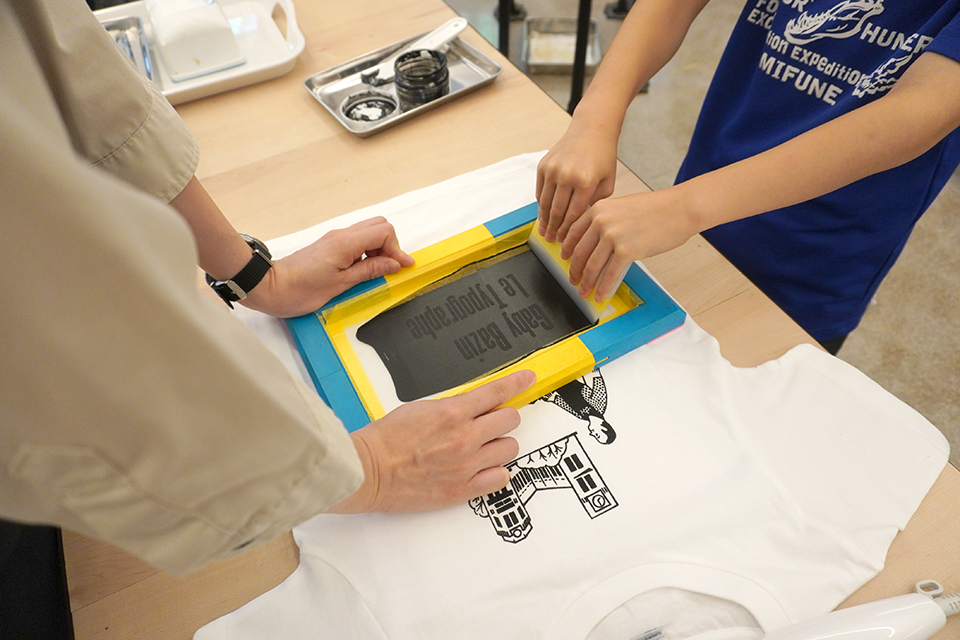
A well-designed solo travel cooking class does not leave friendship to chance. The best programs are architecturally social. They begin with a market expedition, a low-stakes foray that naturally breaks the ice as groups split to find specific, esoteric ingredients. This is followed by the cooking phase, often at communal workstations where you are forced to share a mortar and pestle or taste each other’s *mise en place*. The chef acts less like an instructor and more like a host, weaving stories into the process. The denouement—the meal—is the reward. Look for classes that cap their numbers (eight to twelve is ideal) and that explicitly advertise “single traveler friendly” policies, often seating guests family-style. This deliberate orchestration of space and timing creates a fertile ground for spontaneous connection, a phenomenon that feels organic but is, in fact, carefully curated.
Culinarian Cohorts: The Rise of Themed and Multi-Day Retreats
For the soloist seeking depth over breadth, the multi-day culinary retreat offers a more profound immersion. These are not one-off, two-hour sessions but sprawling, three-to-five-day itineraries that function like a gastronomic summer camp for adults. In the lavender fields of Provence, you might spend a week perfecting *socca* and ratatouille, sleeping in the same stone farmhouse as your classmates. In Japan, a *ryokan* experience might include a private tea ceremony followed by a kaiseki cooking class, forcing a slower, more contemplative social rhythm. The thematic focus—whether it be plant-based cuisine in Costa Rica or seafood paella in coastal Spain—attracts a like-minded cohort, accelerating the formation of bonds. The shared vulnerability of a knife cut or a burnt sauce becomes a badge of camaraderie, transforming strangers into a temporary tribe that often continues to share recipes long after the trip ends.
Overcoming the Lingua Franca: Cooking as a Universal Solvent
One of the most profound anxieties for solo travelers is the barrier of language. A cooking class mitigates this with devastating efficiency. The kitchen has its own lexicon—of touch, smell, and the visual cue of a properly caramelized onion. Instruction is often demonstrative; a chef will show you the perfect way to fold a dumpling without needing a single word. This is a powerful equalizer. A Japanese tourist with halting English and a Brazilian software engineer can successfully collaborate on a cassoulet through gesture and grunt. The final meal requires no translation. There is a profound satisfaction in the silent, mutual recognition of a well-executed dish. This non-verbal communication builds a foundation of trust and shared experience that often fast-tracks deeper, more verbal conversations at the dinner table, lubricated by the universal solvent of good food.
Practical Logistics: Booking with Intention
Choosing the right class requires a degree of perspicacity. The solo traveler should look for programs that explicitly mention “meet other travelers” or “shared dining.” Beware of classes that feel like a silent, assembly-line production. Instead, seek out those that emphasize the story of the region. A cooking class in Marrakech should not just teach you to prepare tagine; it should include a visit to the spice souk, a lesson on the history of the *touareg* tea ceremony, and a shared rooftop meal where the sun sets over the medina. Read reviews specifically from other solo travelers, paying attention to mentions of the instructor’s charisma and the group dynamic. The price should be transparent: does it include wine? A market guide? Transport? The goal is to find an experience where the transaction feels like an invitation, not a fee for service.
The Lasting Legacy: A Gastronomic Network
The most unexpected reward of these culinary vacations is the network they create. Unlike the fleeting connections made in a hostel dormitory, the bond forged over a shared burner tends to last. Digital groups are formed, recipe books are exchanged, and future meet-ups are scheduled. A solo traveler might leave a week in Umbria with a WhatsApp group of five friends scattered across three continents. The cooking class vacation thus serves a dual purpose: it teaches you to make perfect pasta *all’uovo* but, more importantly, it proves that solitude is a temporary state. The act of cooking is inherently generative, and for the solo traveler, it generates not just dinner, but a surprisingly durable sense of belonging. This is the true, unadvertised ingredient—a faith that even in a foreign kitchen, with unfamiliar tools, we can create a feast, and from that feast, a community.