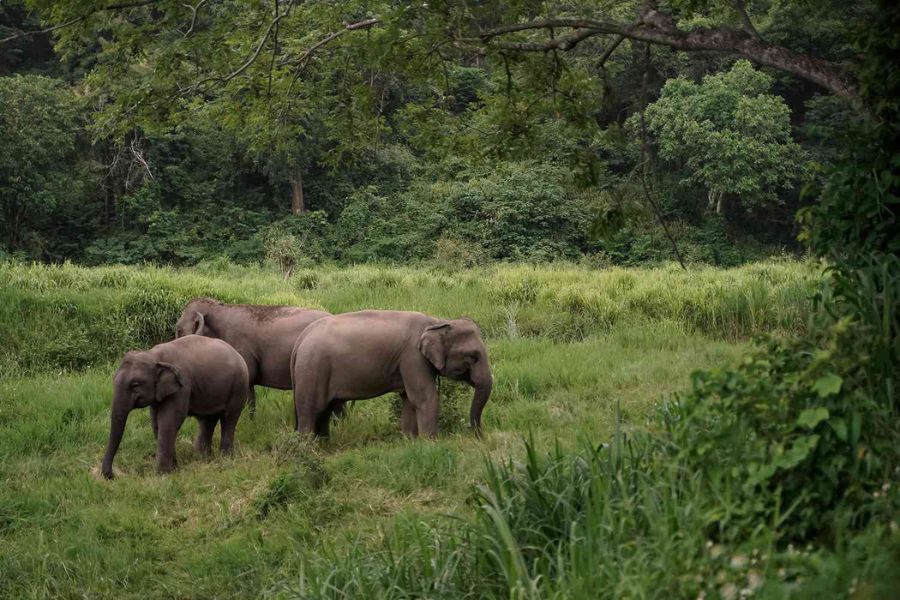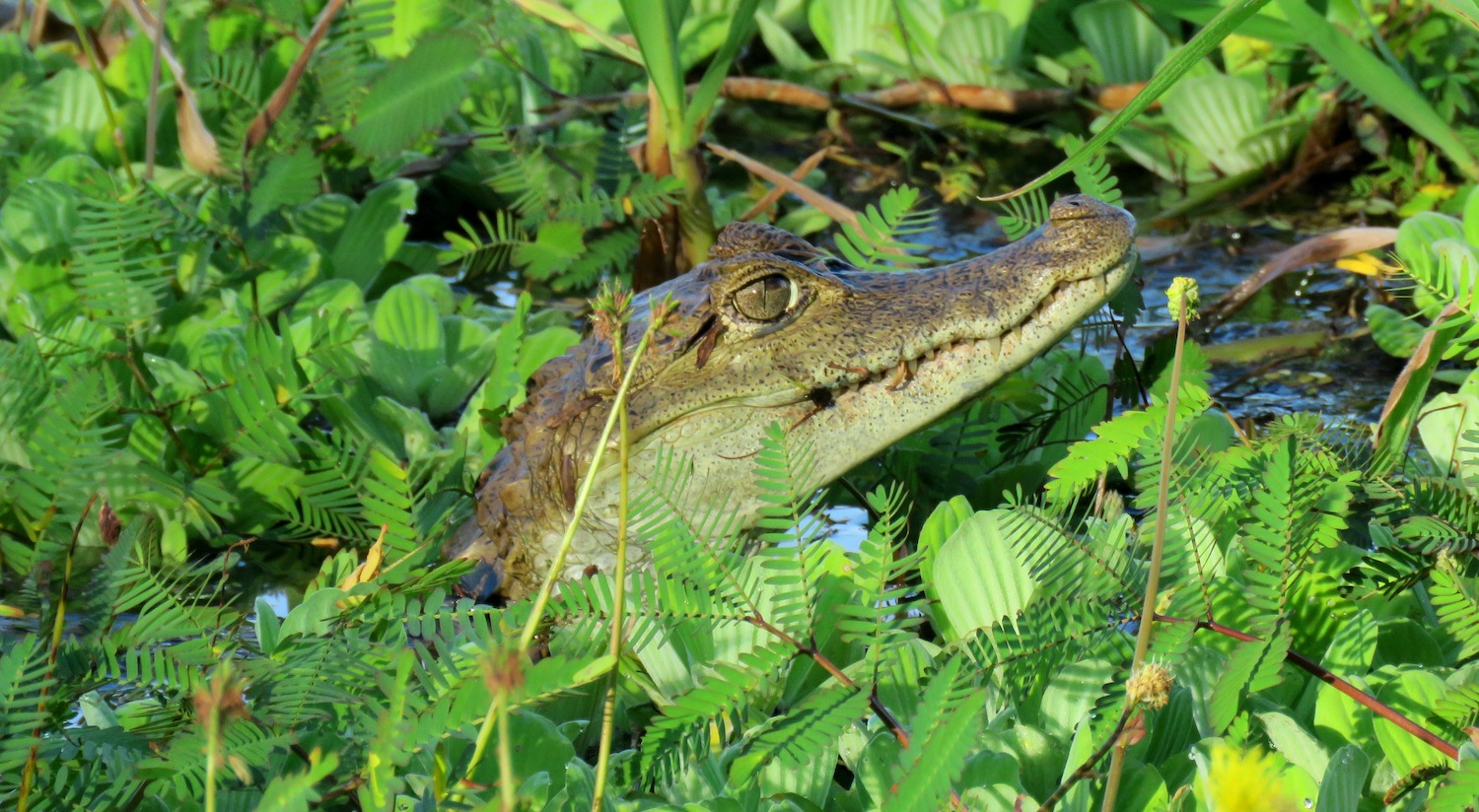
Regenerative tourism is reshaping the way travelers engage with Europe’s diverse landscapes, promising more than just sightseeing or leisurely escapes. It proposes a profound shift in perspective—one where visitors become active participants in the restoration and celebration of natural and cultural heritage. From rewilding initiatives to immersive farm stays, regenerative tourism cultivates dynamic interactions that heal ecosystems and revive forgotten traditions. This article explores eleven exemplary projects across Europe, revealing how travel can evolve into a force for ecological and communal revitalization.
Understanding Regenerative Tourism: Beyond Sustainability
While sustainability advocates for minimizing harm, regenerative tourism transcends it by actively restoring and enhancing environments. It frames tourism as a symbiotic relationship where visitors and hosts collaborate to rejuvenate landscapes and cultures. In Europe, this means embracing novel models such as rewilding vast tracts of land and integrating agrarian lifestyles into authentic travel experiences. These examples outline a transformative mindset—moving from passive observation to engaged stewardship.
1. The Knepp Estate Rewilding Project, United Kingdom
The Knepp Estate stands as a pioneering beacon of regenerative tourism within the UK’s countryside. Once a conventional arable farm, Knepp was abandoned to spontaneous nature regeneration. Today, the estate hosts free-roaming species such as longhorn cattle, Tamworth pigs, and wild ponies, fostering biodiversity resurgence. Visitors participate in guided safaris, learning about trophic cascades and ecological networks. The project not only revitalizes habitats but also educates travelers, entwining conservation with immersive storytelling.
2. La Fattoria Didattica (Educational Farms), Italy
Across Italy, educational farms invite visitors to connect intimately with agrarian cycles. These farm stays offer hands-on experiences—olive harvesting, cheese making, and beekeeping—that celebrate centuries-old traditions. More than agritourism, these sites emphasize regenerative practices such as permaculture, soil enrichment, and seed saving. Guests become co-creators in perpetuating regenerative land stewardship, delving into Italy’s deep-rooted rural legacies with curiosity and reverence.
3. Rewilding the Danube Delta, Romania
The Danube Delta’s rewilding efforts are restoring Europe’s largest and most complex wetland ecosystem. This labyrinth of waterways is crucial for migratory birds, rare fish, and endemic plants. Regenerative tourism here immerses visitors in canoe expeditions and birdwatching tours managed by local communities practicing sustainable fishing and reed harvesting. Travelers gain insight into the delicate interdependencies sustaining this biodiverse hotspot and contribute to projects monitoring ecological health.
4. Farm Stays in the Black Forest, Germany
The Black Forest is synonymous with enchanting landscapes, but regenerative farm stays here engage guests in holistic agroforestry. Farmers offer lodgings intertwined with biodynamic agriculture—integrating livestock, crops, and woodland management harmoniously. Visitors learn ancient herbalism and traditional crafts while witnessing landscape stewardship that mitigates climate change. This model perpetuates cultural resilience and fosters a profound sense of place.
5. The Burren Programme, Ireland
Amidst limestone pavements and wildflowers, The Burren Programme focuses on farmers and visitors collaborating to conserve a unique karst landscape. Through regenerative grazing techniques and soil restoration, this initiative promotes biodiversity resurgence. Tourists are invited to partake in workshops and guided walks, fostering a reciprocal exchange of knowledge and empowerment. This approach reframes farming as custodianship rather than exploitation.
6. Rewilding Scotland: The Cairngorms Connect Project
The Cairngorms Connect project ambitiously reconnects habitats for species such as mountain hares, pine martens, and golden eagles. By reducing barriers—both physical and conceptual—the project reasserts natural processes. Visitors engage through interpretive trails, volunteering opportunities, and wildlife monitoring. Each experience nurtures ecological literacy and inspires responsibility, aligning travel with the rhythms of wild nature’s resurgence.
7. Spanish Dehesa Regeneration Initiatives
In Spain, the dehesa landscapes—characterized by open oak woodlands and pastoral practices—are centers of regenerative stewardship. Initiatives here restore soil vitality and biodiversity while supporting endangered Iberian lynx populations. Visitors may join acorn gathering sessions or guided walks that decode the intricate human-nature relationships. These experiences cultivate a renewed appreciation for multifunctional landscapes and ancestral knowledge systems.
8. French Lavender Fields and Biodynamic Practices
Beyond aesthetic allure, the renowned lavender fields of Provence signify a commitment to regenerative agriculture through biodynamic farming. Some estates welcome guests to participate in planting cycles, natural pest control, and essential oil distillation. Such involvement immerses visitors in the ecological nuances often concealed behind postcard imagery, sowing seeds of environmental mindfulness combined with sensory delight.
9. The Swedish Wild Forest Experience
Sweden’s wild forests offer regenerative tourism through trappers’ cabins, foraging expeditions, and Sami heritage immersion. Visitors explore ancient woodland ecosystems, learning from indigenous stewardship principles that emphasize reciprocity and respect. It’s a journey into a symbiotic worldview, challenging consumerist travel paradigms and invoking a quest for meaningful connection with northern wilds.
10. Slovenia’s Tolmin Gorges Ecotourism
The Tolmin Gorges frame exquisite karst formations coupled with projects to re-naturalize riverine habitats. Regenerative tourism here incorporates river clean-ups, trail restoration, and environmental education workshops. This encourages travelers to see landscapes not as static spectacles but as dynamic systems in need of vigilant care—a perspective shift that fosters ethical and engaged visitation.
11. The Dutch Wadden Sea UNESCO Biosphere Reserve
The Wadden Sea invites a regenerative approach to coastal tourism, emphasizing intertidal ecosystem rehabilitation. Visitors participate in mudflat walks and sustainable shellfish harvesting, guided by scientists and local custodians. These activities restore coastal resilience against climate threats and nurture a deeper understanding of tidal rhythms, promoting balanced relationships between human activity and marine conservation.
Each of these projects embodies regenerative tourism’s promise: a departure from passive consumption toward active custodianship. They reveal how travel can uncover hidden ecological narratives and foster a collective responsibility for Europe’s natural and cultural patrimonials. The shift is not merely logistical—it is profoundly philosophical. It challenges travelers to rethink their role, igniting curiosity and empathy that extend beyond the journey itself, echoing into the future care of the places we cherish.