There’s a quiet magic in wandering through a museum alone—no chatter to dilute the weight of history, no crowds to obscure the brushstrokes of a masterpiece. For solo travelers, museums aren’t just repositories of art and artifacts; they’re sanctuaries of reflection, where the absence of companionship can paradoxically deepen the connection to what’s on display. The right museum travel guide doesn’t just point you toward the highlights—it transforms your visit into an intimate dialogue with culture, one that unfolds at your own pace. Whether you’re drawn to the immersive storytelling of audio guides or the hushed reverence of quiet hours, these five destinations stand out as havens for the solitary explorer. Each offers a unique rhythm, a chance to engage with art without the usual cacophony of tourism.
The Met Cloisters: Where Medieval Europe Unfolds in Solitude
Tucked away in Fort Tryon Park, The Met Cloisters feels like a secret carved from the past. This branch of the Metropolitan Museum of Art is dedicated to the art and architecture of medieval Europe, and its very existence is a study in intentional design. The building itself—a fusion of cloisters, chapels, and gardens salvaged from European monasteries—creates an atmosphere where time seems to slow. Solo travelers often remark on the ease with which they can lose themselves here, not just in the exhibits but in the interplay of light and stone. The audio guide, narrated by scholars, weaves historical context with poetic detail, making the experience feel less like a tour and more like a pilgrimage.
The Cloisters’ quiet hours, particularly on weekday mornings, are a revelation. The absence of tour groups allows the space to breathe, and the hushed acoustics amplify the clatter of your own footsteps on the ancient tiles. It’s a place where the weight of centuries feels tangible, where a single tapestry or illuminated manuscript can hold your attention for hours. For those who crave depth over breadth, this is where the past speaks directly to the present.
The Louvre’s Early Morning Ritual: Art Before the Crowds
The Louvre is a paradox—a place so vast it can feel both exhilarating and overwhelming. Yet, for the solo traveler willing to arrive at dawn, it becomes something else entirely: a blank canvas of possibility. The museum’s quiet hours, from 9 AM to 10 AM on Wednesdays and Fridays, offer a rare opportunity to encounter masterpieces like the *Mona Lisa* or the *Venus de Milo* without the usual sea of selfie sticks. The early light filtering through the glass pyramid casts a golden glow over the galleries, softening the edges of history and making the art feel almost alive.
An audio guide here isn’t just a tool; it’s a companion, one that can adapt to your curiosity. The Louvre’s app includes thematic routes—from Napoleonic apartments to Egyptian antiquities—allowing you to curate your own journey. The solitude amplifies the emotional impact of the art; standing before the *Winged Victory of Samothrace*, you’re not just observing a sculpture—you’re witnessing the remnants of a civilization’s triumph. The Louvre’s quiet hours aren’t just about avoiding crowds; they’re about reclaiming the act of looking from the noise of tourism.
The British Museum’s “Late Night Thursdays”: When History Whispers
London’s British Museum has long been a magnet for history buffs, but its “Late Night Thursdays” program—open until 8:30 PM—transforms the experience entirely. The extended hours attract fewer families and more introspective visitors, creating an atmosphere where the Rosetta Stone or the Parthenon Marbles can be contemplated without interruption. The museum’s audio guide, available in multiple languages, doesn’t just explain artifacts; it invites you to imagine the hands that crafted them, the voices that spoke around them, the lives they outlived.
What makes these evenings special is the way the museum’s architecture—with its grand columns and soaring ceilings—seems to amplify the quiet. The absence of school groups and tour leaders allows the space to feel like a library of human experience, where each object is a chapter waiting to be read. For solo travelers, this is where the fascination with history deepens into something almost spiritual. The late hours don’t just accommodate schedules; they create a ritual, a weekly pilgrimage to a place where the past feels present.
The Uffizi Gallery’s “Silent Mondays”: Renaissance in Solitude
Florence’s Uffizi Gallery is a masterclass in artistry, but its true magic often reveals itself when the crowds thin. The museum’s “Silent Mondays”—a lesser-known policy where visitors are encouraged to move quietly through the galleries—are a boon for solo travelers. The absence of chatter allows the brushstrokes of Botticelli’s *Birth of Venus* or the intensity of Caravaggio’s *Medusa* to resonate without distraction. The audio guide here is particularly effective, blending art history with anecdotes that make the Renaissance feel immediate and personal.
What’s striking about the Uffizi’s quiet hours is how they shift the dynamic of looking. Without the usual hum of conversation, the art feels more intimate, as if the artists themselves are speaking directly to you. The museum’s layout, with its long corridors and intimate rooms, lends itself to slow exploration. For those who crave a deeper connection to art, the Uffizi’s silent hours offer a rare chance to commune with genius on its own terms.
The Rijksmuseum’s “Early Bird” Tickets: Dutch Masters in the Dawn
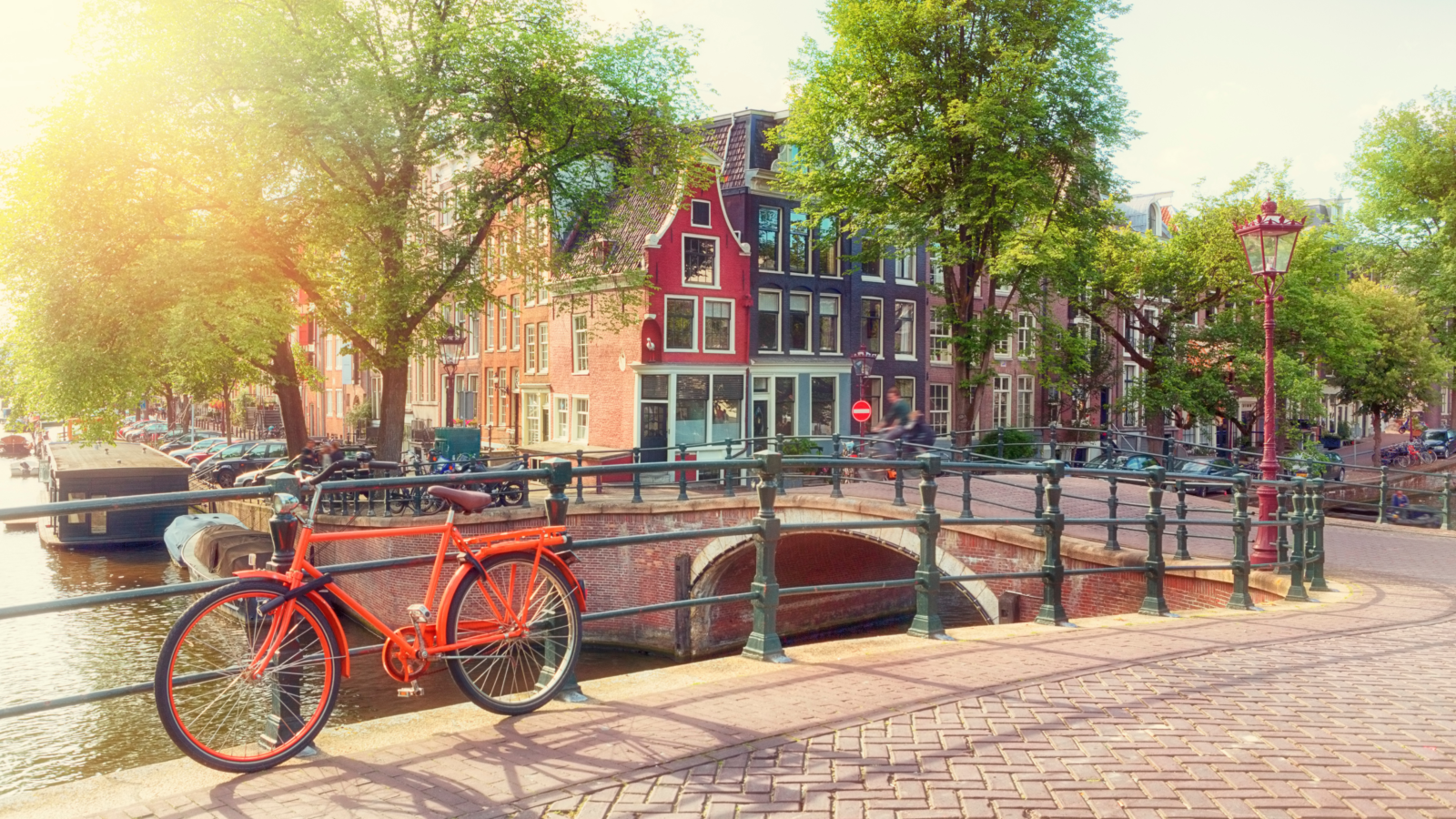
Amsterdam’s Rijksmuseum is a treasure trove of Dutch Golden Age art, but its early morning hours—before 9 AM—are where it truly comes alive for solo travelers. The museum’s “Early Bird” tickets grant access to galleries bathed in soft, diffused light, where Rembrandt’s *Night Watch* and Vermeer’s *Milkmaid* seem to glow from within. The audio guide here is immersive, with narrations that linger on the textures of paint and the stories behind the subjects. The quiet of the morning transforms the experience from a checklist of must-sees to a meditative journey through time.
What’s often overlooked about the Rijksmuseum’s early hours is how they change the way you engage with the art. Without the usual crowds, the paintings feel less like objects and more like windows into another era. The solitude allows you to notice details—the way light falls on a lace collar, the subtle expressions on a subject’s face—that might otherwise be lost in the shuffle. For solo travelers, this is where the fascination with art deepens into something akin to reverence.