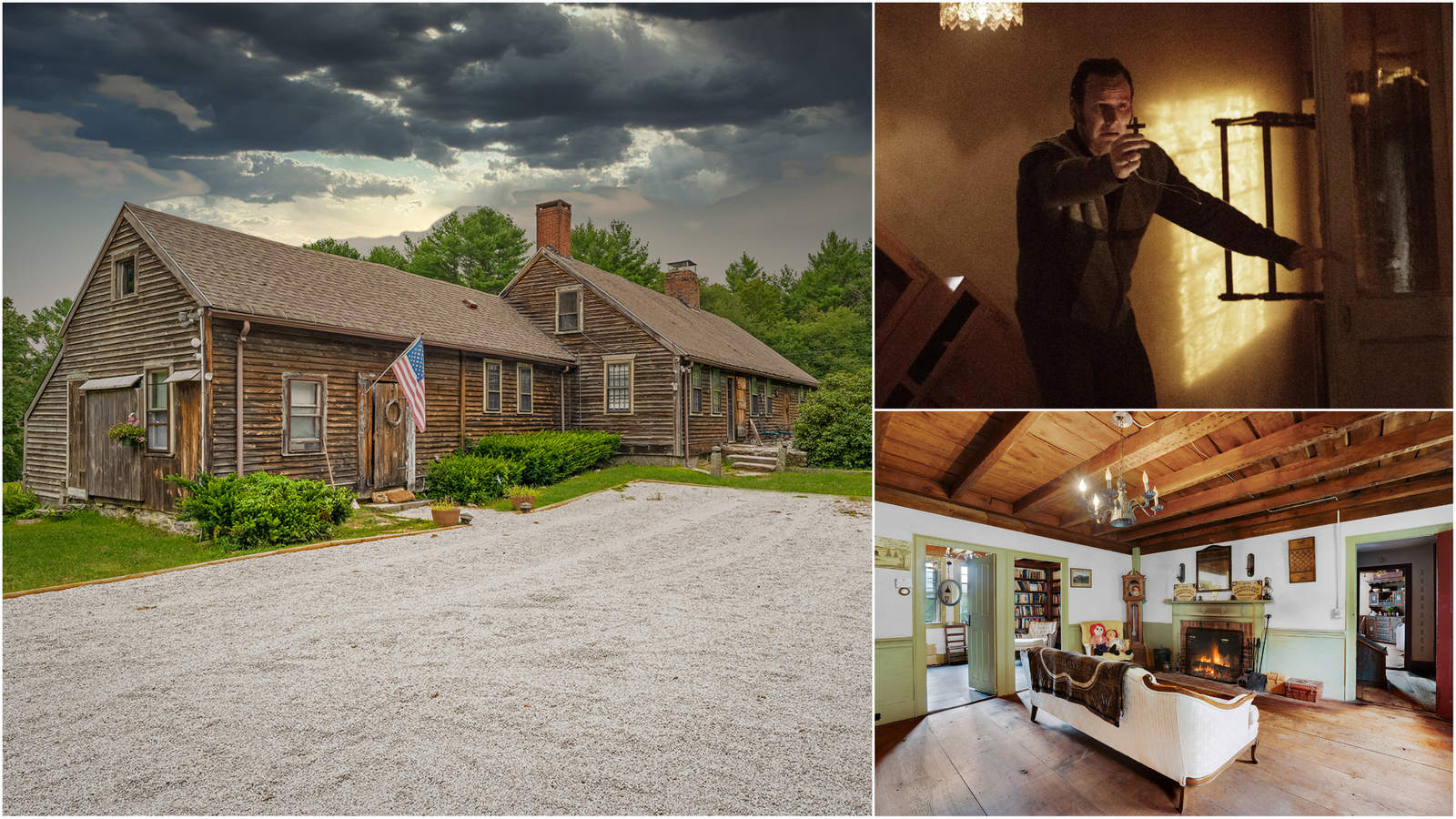
Imagine standing in the exact spot where your favorite movie hero once stood—where the camera panned across a windswept plateau, where a character’s destiny was forged in the shadow of a towering cliff. That’s the magic of set-jetting: turning cinematic dreams into tangible reality. It’s not just travel; it’s a pilgrimage for the soul, a way to walk through the frames of your favorite stories and live inside them, if only for a moment. Whether you’re chasing the neon glow of cyberpunk alleyways or the sun-drenched tranquility of a Mediterranean villa, set-jetting transforms passive viewing into an active, immersive experience. This guide is your compass through the labyrinth of locations, logistics, and emotions that define a truly unforgettable cinematic escape.
The Alchemy of Inspiration: Why Set-Jetting Captivates the Human Spirit
Set-jetting is more than a hobby—it’s a form of modern mythmaking. When we watch a film, we don’t just consume a story; we absorb its geography, its textures, its unspoken geography of longing. A single frame can imprint a place so deeply in our psyche that it becomes a second home. Think of the misty moors of *Wuthering Heights*, where love and vengeance swirl like autumn leaves. Or the neon-lit streets of *Blade Runner*, where humanity flickers like a dying hologram. These places aren’t just backdrops; they’re characters in their own right, shaping the narrative and the emotions it evokes. Set-jetting allows us to step into those roles, to touch the walls that witnessed fictional triumphs and tragedies. It’s a way to commune with the intangible—to make the ephemeral, eternal.
From Fan to Cartographer: Mapping Your Cinematic Compass
The first step in your set-jetting odyssey is to curate your cinematic atlas. Not all films are equal in their geographical pull. Some are bound to a single location, like the eerie isolation of *The Shining*’s Overlook Hotel, while others sprawl across continents, like *The Lord of the Rings* trilogy. Start by identifying the films that have left the deepest mark on you. Was it the rugged beauty of *The Revenant*’s wilderness that haunts your dreams? Or the sun-bleached streets of *Midnight in Paris* that whisper of lost eras? Once you’ve narrowed your list, create a visual map—whether digital or hand-drawn—pinpointing each location. Tools like Google Earth or specialized set-jetting databases can help you trace the exact coordinates of your cinematic pilgrimage. But don’t just plot the landmarks; study the light, the sounds, the atmosphere. The more you understand the soul of a place, the more vividly you’ll experience it when you finally stand there.
Logistics as a Love Story: Crafting the Perfect Itinerary
Planning a set-jetting trip is like composing a symphony—every note must harmonize with the next. Timing is everything. Some locations are best visited in a specific season: the cherry blossoms of *Lost in Translation*’s Tokyo in spring, or the golden hues of *Atonement*’s English countryside in autumn. Others demand a certain time of day—the golden hour glow over *The Grand Budapest Hotel*’s alpine village, or the twilight chill of *The Revenant*’s snowy expanse. Research visa requirements, local customs, and transportation options meticulously. Will you need a rental car to chase the winding roads of *Thelma & Louise*, or can you rely on public transit to navigate *Amélie*’s Parisian arrondissements? Consider the rhythm of your journey: group nearby locations to minimize travel fatigue, and leave room for serendipity. Sometimes the most magical moments happen when you stumble upon a hidden café that feels plucked from a Fellini film.
The Art of Reenactment: How to Channel Your Inner Protagonist
A set-jetting trip isn’t complete without a little theatrical flair. Recreating iconic scenes isn’t about mimicry; it’s about embodying the spirit of the story. Stand where the hero stood, not to replicate their pose, but to feel the weight of their choices. In *The Secret Life of Walter Mitty*, the protagonist’s journey begins with a leap into the unknown—so why not take a spontaneous detour down a cobblestone alley in Reykjavik, where the Northern Lights once danced in his imagination? Or in *Eternal Sunshine of the Spotless Mind*, where the characters’ memories are erased like chalk from a blackboard, visit the beach where their love story began and let the waves wash over you. Bring a journal to record your impressions, or sketch the scene in a pocket-sized notebook. The goal isn’t perfection; it’s presence. You’re not just a tourist. You’re a co-creator of the story.
Beyond the Frame: Discovering the Hidden Layers of Cinematic Landscapes
The most profound set-jetting experiences lie beyond the obvious. While it’s tempting to flock to the Eiffel Tower because of *Midnight in Paris*, the real magic often hides in the details. Seek out the lesser-known spots that inspired the filmmakers. In *The Princess Bride*, the Cliffs of Insanity are fictional, but the real-life inspiration lies in the dramatic coastline of County Clare, Ireland, where the Atlantic Ocean crashes against ancient rocks. In *The Grand Budapest Hotel*, the pink palace isn’t just a set—it’s a pastiche of Alpine architecture, and the surrounding village of Görlitz, Germany, is a time capsule of 1930s Europe. Talk to locals. They might point you to a café where a director once scribbled notes, or a park bench where an actor took a break between takes. These are the threads that weave the tapestry of a place’s cinematic legacy.
Ethics and Etiquette: Respecting the Sacred and the Profane
Set-jetting is a privilege, not a right. The line between admiration and exploitation is thin, and it’s your responsibility to tread lightly. Some locations are sacred to local communities, like the temples of *The Beach* in Thailand or the streets of *Do the Right Thing* in Brooklyn. Always research the cultural significance of a place before you visit, and follow guidelines for respectful behavior. Leave no trace—literally. Take only photographs, and avoid touching or disturbing the scenery. If a location is privately owned, seek permission before entering. And remember: the goal isn’t to turn a place into a theme park, but to honor its role in storytelling. By approaching your journey with humility and awareness, you ensure that the magic of set-jetting endures for future generations.
The Afterglow: How to Preserve Your Cinematic Memories
Your set-jetting adventure doesn’t end when you return home. The memories you’ve collected are like film reels—vibrant, fleeting, and in need of preservation. Create a travel journal that blends your experiences with the stories that inspired them. Compile a playlist of the songs that played in your head as you explored each location. Or, if you’re feeling ambitious, edit a short film using clips from your trip and the movie that drew you there. Share your journey with others, not just as a list of places visited, but as a testament to the power of storytelling. Your set-jetting trip is more than a vacation; it’s a bridge between fiction and reality, a way to keep the magic of cinema alive long after the credits roll.