Welcome, urban wanderer, to the verdant realm of “Urban Shinrin-Yoku”—the art of forest bathing amidst the concrete jungles that cradle our modern lives. In this guide, we shall embark on a sensory pilgrimage through city parks, uncovering the layers of mindfulness and rejuvenation that lie beneath the surface of bustling pavement and towering skyscrapers.
Understanding Urban Shinrin-Yoku
Shinrin-Yoku, or “forest bathing,” originated in Japan as a therapeutic practice to immerse oneself in nature’s ambiance. In an urban context, this translates into purposeful engagement with city parks—spaces where greenery and tranquility are distilled within the matrix of metropolitan life. The objective is not merely to stroll but to experience through all senses: sight, sound, touch, smell, and taste (where permissible).

Sensory Engagement: The Core of Urban Shinrin-Yoku
At the heart of urban shinrin-yoku lies sensory immersion. Begin by selecting a park renowned for its biodiversity—a sanctuary where trees, shrubs, and perhaps even water features coalesce to create an olfactory symphony.
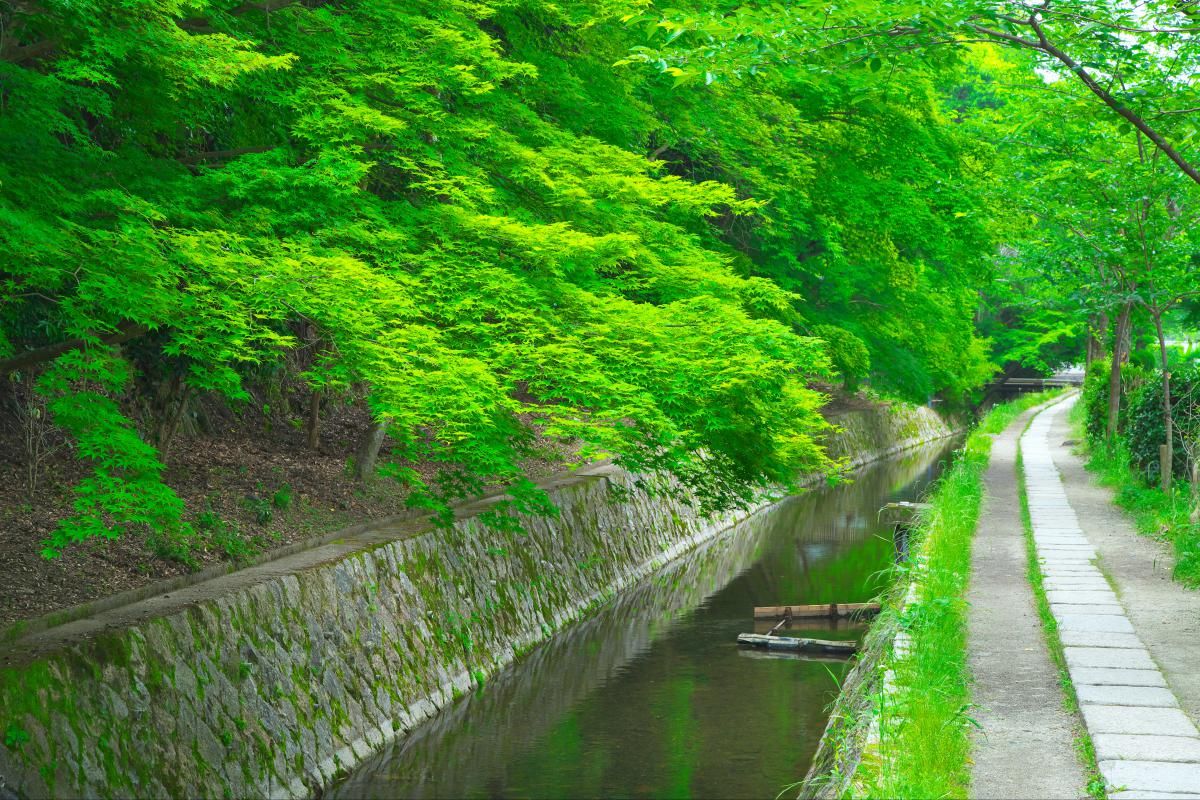
- Sight: Observe the phytology—the arrangement of leaves, branches, and foliage. Notice light filtering through canopies, casting dappled shadows that dance with each breeze.
- Hear: Listen to the chorus of nature: chirps of birds, rustling leaves, or the soft trickle of a fountain. Allow these auditory textures to dissolve your urban cacophony.
- Tactile: Feel the texture of bark beneath your fingertips, the coolness of grass underfoot, or the warmth of sunlight on exposed skin.
- Olfactory: Inhale deeply. Identify scents—pine, cedar, flowering azaleas—or subtle earthy tones that evoke primordial connections.
- Gustatory (where appropriate): Taste a fresh mint leaf or sip rainwater from a safe puddle to ground yourself further in elemental communion.
Mindful Movement: Walking the Urban Pathways
A leisurely pace is paramount. Unlike hurried urban traversals, shinrin-yoku walking encourages slow motion. Each step should be intentional—grounding feet firmly, allowing knees to bend slightly with each advance.
Consider adopting a “nature-focused walk” technique: pause every 10 minutes to fully absorb your surroundings, perhaps sketching a leaf’s vein pattern or documenting a bird’s call. This intermittent reflection deepens the immersion, fostering a mental landscape where stress dissolves and presence reigns.
Culmination in Reflection
Upon concluding your urban shinrin-yoku session, find a serene spot to sit—a bench beneath an ancient oak or beside a tranquil pond. Close your eyes and recall each sensation cataloged during your journey. Allow this mental inventory to transform into gratitude—an acknowledgment of nature’s resilience within the city’s exoskeleton.
Reflect on any insights gained: perhaps clarity on a personal dilemma, or simply a renewed appreciation for life’s subtleties. Capture these musings in a journal—a tangible echo of your ephemeral communion with the earth.
Enhancing the Experience
To magnify the benefits of urban shinrin-yoku, consider supplementary practices:
- Aromatherapy: Bring natural oils (e.g., cedarwood or sandalwood) to amplify olfactory engagement.
- Meditation: Integrate brief mindfulness meditations into your stroll—inhale for four counts, hold two, exhale six—to deepen focus.
- Auditory aids: Listen to ambient nature sounds (birdsong playlists, forest ambience) via discreet earbuds if the park’s naturally occurring soundscape is muted.
Navigating Challenges
City parks may present obstacles: crowded spaces, uneven terrain, or limited greenery. Adaptation is key. Seek secluded corners, utilize multi-story foliage for vertical immersion, or transform ordinary surfaces (e.g., park benches) into mindfulness stations.
Embrace technological aids modestly—apps tracking local flora or weather conditions can enrich your experience without detracting from genuine sensory engagement.
Closing Thoughts
In the tempest of urban life, forest bathing within city parks offers solace—a portal to nature’s embrace amidst steel and stone. By conscientiously engaging all senses, moving mindfully, and reflecting deeply, you unlock a sanctuary of tranquility that nurtures body, mind, and spirit. So venture forth, dear traveler, into the verdant veins of your metropolitan landscape, and let urban shinrin-yoku weave its restorative spell.