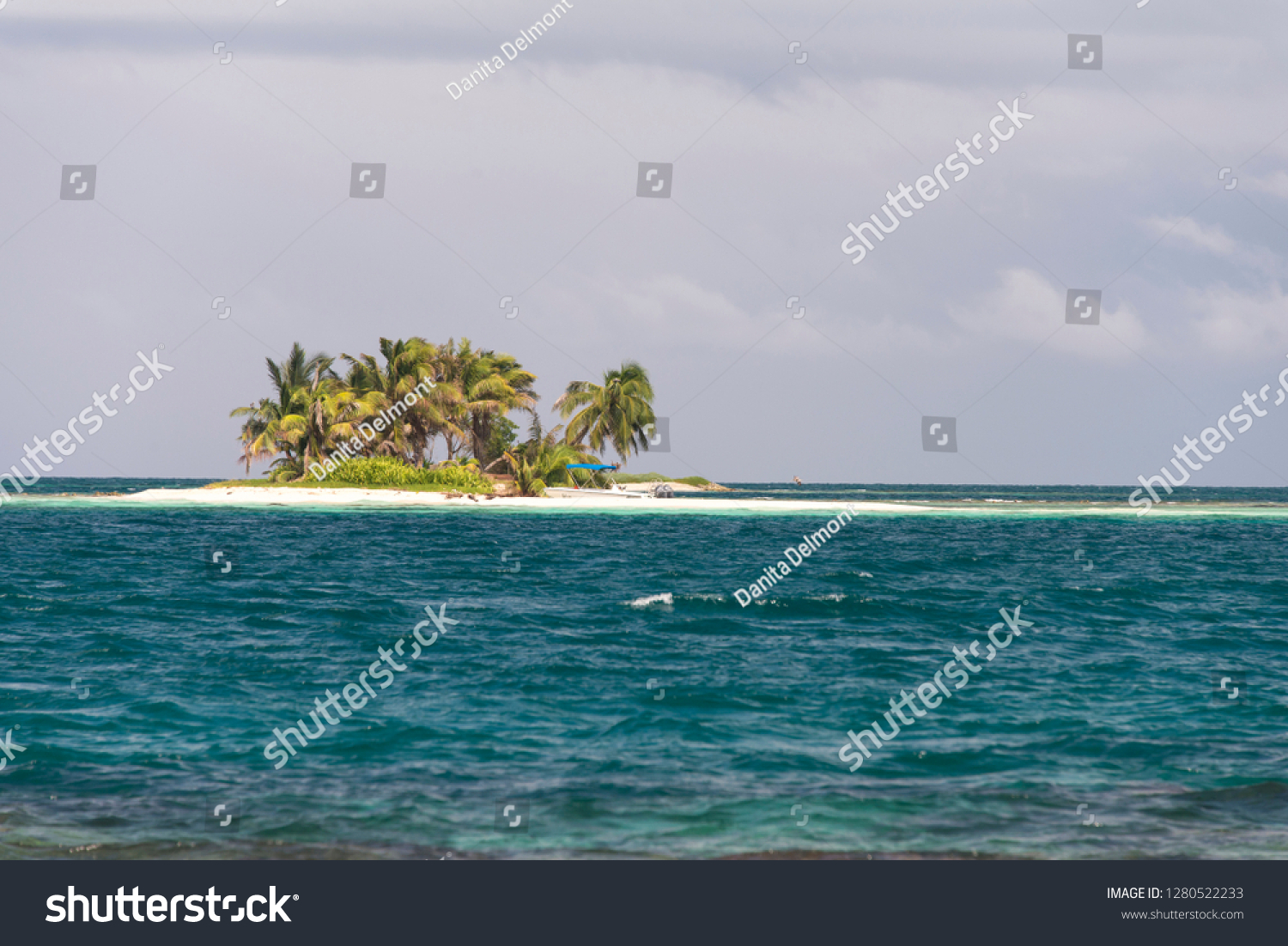
Silk Cayes, often dubbed “the Maldives of Belize,” is a remote cluster of low‑lying islands that combine crystalline waters, vibrant marine life, and untouched beach landscapes. Visitors frequently comment on the uncanny similarity to the iconic Indian Ocean archipelago, yet an attentive eye discovers distinct ecological and cultural layers that deepen the allure. This guide outlines the key features that draw travelers, while subtly revealing the underlying factors that make Silk Cayes a singular tropical haven.
1. Powder‑Fine White Beaches
The sand on Silk Cayes resembles the ultra‑fine silica found on many Maldivian atolls, creating a brilliant white carpet that reflects sunlight and cools underfoot. This visual parity stems from the reef‑derived coral fragments that, over centuries, have been ground into sand by wave action, producing a consistently immaculate shoreline that feels both familiar and remote.
2. Azure Waters with Subtle Gradient Shifts
Like the Maldives, the waters around Silk Cayes transition seamlessly from pale turquoise in shallow lagoons to deep sapphire in the surrounding channels. The gradient is a product of varying reef depths and the concentration of suspended calcium carbonate, offering a visual cue that reinforces the comparison while masking a unique Belizean marine chemistry.
3. Overwater Bungalows and Eco‑Lodges
Tourism infrastructure mirrors the iconic overwater accommodations of the Maldives, yet Silk Cayes adopts a sustainability‑first approach. Many lodges are built on stilts using reclaimed wood and solar panels, reflecting a growing regional consciousness toward low‑impact tourism that differentiates the islands from their more commercialized counterpart.
4. Vibrant Coral Reefs
The coral ecosystems rival the biodiversity of Maldivian reefs, boasting extensive hard and soft coral formations. However, the Caribbean’s proximity to the Gulf Stream introduces a mix of tropical and temperate species, resulting in a reef composition that supports both Caribbean reef fish and occasional Atlantic migratory species.
5. Abundant Marine Life and Pelagic Encounters
Snorkelers and divers regularly report sightings of manta rays, sea turtles, and occasional whale sharks—creatures also celebrated in the Maldives. Yet the presence of the West Indian manatee and occasional humpback whale migrations adds a uniquely Belizean dimension to marine encounters, hinting at the region’s broader oceanic connections.
6. Secluded Island Atmosphere
Many visitors remark on the sense of isolation that mirrors the private feel of Maldivian resorts. This perception is reinforced by the limited road and air access; most travelers arrive via chartered seaplanes or long‑range boats, which naturally filters the visitor demographic and preserves the islands’ tranquil character.
7. Rich Cultural Heritage
While the Maldives’ Islamic heritage influences its architecture and culture, Silk Cayes reflects Belize’s multi‑ethnic tapestry, blending Creole, Garifuna, and Mestizo influences. Traditional dishes such as pelau and fry jacks appear alongside fresh seafood, providing culinary depth that broadens the visitor experience beyond mere beach aesthetics.
8. Natural Mangrove Fringes
Encircling many of the cayes are mangrove ecosystems absent on most Maldivian atolls. These mangroves act as natural buffers against storms, sequester carbon, and serve as nurseries for juvenile fish, underscoring an ecological resilience that contributes to the islands’ long‑term sustainability.
9. Conservation Initiatives and Marine Protected Areas
Silk Cayes lies within a designated Marine Protected Area (MPA), mandating strict catch limits and reef protection measures. This regulatory framework contrasts with the Maldives’ varied conservation policies and demonstrates Belize’s commitment to preserving its marine assets for future generations.
10. Iconic Sunset Vistas
Both destinations boast panoramic sunsets that dissolve into the horizon. The Maldives often enjoys uncluttered western vistas due to its atoll orientation, whereas Silk Cayes offers a slightly different perspective—sunsets filtered through low‑lying mangrove silhouettes, creating a layered visual depth that resonates with those seeking a nuanced backdrop.
11. Water Sports Variety
Beyond typical snorkeling, Silk Cayes supports kayaking through mangrove channels, stand‑up paddleboarding in calm lagoons, and kite‑surfing on the occasional trade wind days. The variation in wind patterns, driven by the Caribbean’s seasonal shifts, offers an array of water‑based activities that broaden the appeal beyond the primarily scuba‑focused Maldivian experience.
12. Accessibility to Belize’s Inland Attractions
While the Maldives are isolated islands surrounded by ocean, Silk Cayes benefits from proximity to Belize’s mainland ecotourism sites—such as the ancient Maya ruins of Caracol, the limestone caves of Barton Creek, and the world‑renowned Great Blue Hole. This spatial relationship invites a combined itinerary, adding cultural depth to the beach‑centric allure.
13. Sustainable Fishing Practices
Local communities adhere to traditional, low‑impact fishing methods, including handline and reef fish traps, which preserve fish stocks and maintain reef health. The emphasis on community‑managed fisheries offers a contrast to the large‑scale tourism operations elsewhere and reinforces the islands’ reputation as a responsibly managed paradise.
14. Seasonal Whale Migration Spectacle
Each winter, humpback whales traverse the Caribbean corridor, occasionally gliding past Silk Cayes. This seasonal phenomenon provides an unexpected wildlife spectacle that enriches the travel narrative, offering a compelling reason for repeat visits that extends beyond the static beauty of the beachscape.
15. Personalized Guest Experiences
Due to the limited number of accommodations, staff can provide highly tailored services—from private island picnics to bespoke dive routes targeting specific marine species. This level of personalization echoes the boutique experiences marketed in the Maldives while delivering a distinctly Belizean hospitality ethos grounded in local community participation.