Traveling to Patagonia during the shoulder season—April to June and September to November—offers a subtle yet profound shift in perspective. The crowds thin, the light softens, and the landscape reveals nuances that are hidden during the peak summer rush. This guide outlines the most compelling reasons to explore Patagonia in these transitional months, inviting curiosity and rewarding the traveler with an authentic, unhurried experience.
1. Gentle Weather Transitions
Shoulder-season weather in Patagonia is characterized by milder temperatures and fewer extreme wind events. While summer can bring scorching sun and relentless gusts, these periods offer a balance of cool mornings and pleasant afternoons, allowing for longer hikes and more comfortable photography sessions without the need for heavy gear.
2. Dramatic Light for Photography
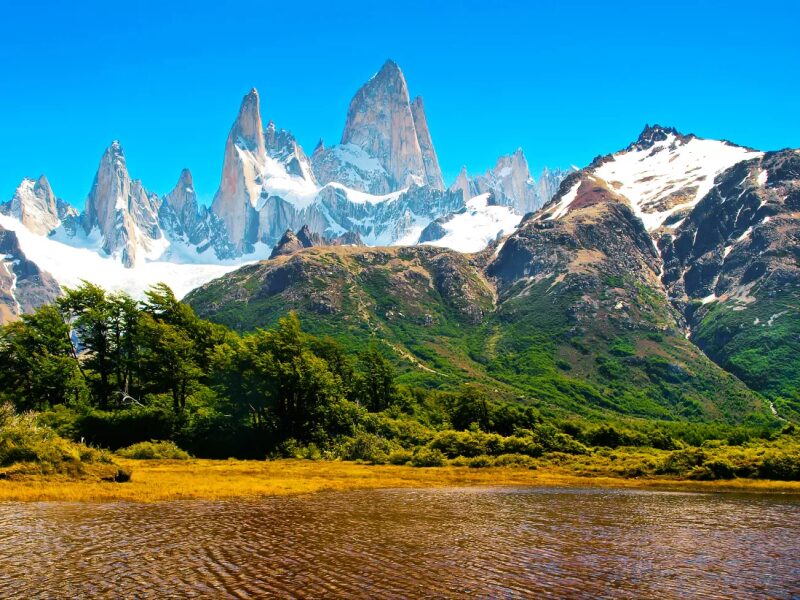
The angle of the sun during spring and autumn creates long, golden shadows that enhance the region’s iconic granite towers and glacial surfaces. Photographers will notice richer contrast and softer hues, making it easier to capture the dramatic textures of Torres del Paine or the deep blues of Lake Argentino without the harsh overhead glare typical of summer.
3. Reduced Tourist Density
Travelers who prefer solitude will find the trekking routes, such as the W Circuit in Torres del Paine National Park, markedly less crowded. This freedom enables spontaneous detours, closer encounters with wildlife, and a more contemplative pace that encourages deeper immersion in the landscape.
4. Lower Accommodation Prices
Many hotels, hostels, and eco‑lodges adjust their rates downward during the shoulder months. Budget-conscious explorers can secure quality accommodations—often with included meals—at a fraction of peak‑season costs, allowing funds to be redirected toward guided tours or specialty gear rentals.
5. Unveiling Spring Flora
As Patagonian winter recedes, native flora awakens. The low‑lying cushion plants, lenga trees, and wild orchids begin to bloom, carpeting the valleys with subtle color. This seasonal botanical resurgence provides a fresh backdrop for hikers and adds a layer of ecological interest to standard trail itineraries.
6. Autumnal Color Shifts
In the southern hemisphere’s fall, lenga and coigüe trees display a palette of amber, copper, and deep red. The transformation paints the forested sections of the Andes with a vibrant contrast against the ever‑present granite cliffs, offering a visual spectacle that remains largely unseen during summer heat.
7. Optimal Wildlife Sightings
Shoulder season aligns with key wildlife patterns. Guanacos venture to lower elevations in spring, while the elusive Andean fox becomes more active during the cooler autumn evenings. Birdwatchers also benefit from increased activity of species such as the Magellanic woodpecker and the Andean condor, which rely on the seasonal shifts for feeding and breeding.
8. Accessible Glacier Tours
Glacier trekking and boat excursions on the Perito Moreno and Upsala ice fields are less susceptible to overcrowding. The cooler temperatures reduce melt rates, ensuring solid ice surfaces for safe foot travel while providing clearer water visibility for those interested in spotting moraines and floating ice bergs.
9. Flexible Trail Conditions
Snow melt in early spring leaves trails damp but firm, reducing the loose gravel common in summer. Conversely, autumn’s dry season leads to well‑defined paths, minimizing the risk of getting lost in overgrown vegetation. These conditions improve overall safety and make navigation more straightforward for solo hikers.
10. Cultural Festivities and Local Insight
Patagonian towns host seasonal festivals that highlight regional traditions, such as the Fiesta del Cordero in El Calafate (spring) and the Harvest Celebration in Puerto Natales (autumn). Participating in these events offers travelers authentic culinary experiences, folk music, and opportunities to converse with locals about conservation efforts.
11. Enhanced River Activities
Spring snowmelt raises water levels in the Futaleufú and Santa Cruz rivers, creating optimal conditions for white‑water kayaking and rafting. The currents are vigorous yet manageable, delivering thrilling runs without the overcrowded outfitters typical of summer months.
12. Sustainable Travel Opportunities
Visiting Patagonia during shoulder season reduces the environmental impact associated with peak tourism. Fewer visitors mean less strain on trail infrastructure, lower carbon footprints for transport services, and greater capacity for conservation projects to engage travelers in volunteer activities such as trail maintenance or wildlife monitoring.