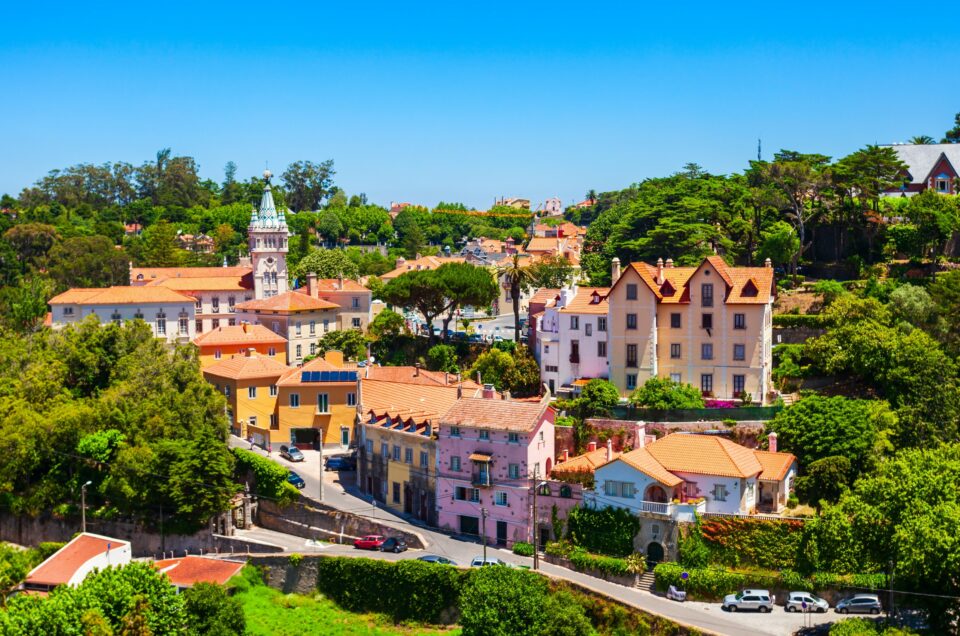
Sintra, a UNESCO World Heritage site perched on the rolling hills of Portugal’s Lisbon district, is often reduced to a quick stop for its iconic palaces and misty landscapes. Yet, beyond the postcard scenery lies a rich tapestry of history, culture, and natural wonder that makes a day trip here not just pleasant but essential. Below are the compelling reasons why a visit to Sintra should be at the top of your itinerary.
1. The Palácio Nacional de Sintra’s Dual Chimneys
At first glance, the palace’s most striking feature is its pair of conical chimneys, a hallmark of Moorish influence. While tourists admire the flamboyant exterior, the deeper fascination lies in the palace’s 12th‑century origins, its continuous royal residence, and the intricate azulejo tiles that narrate centuries of Portuguese art. Exploring the interior reveals a unique blend of medieval fortifications and Renaissance rooms, providing a tangible timeline of Portugal’s evolving aesthetic.
2. The Enigmatic Quinta da Regaleira
The estate’s ornate façade and sprawling gardens attract those seeking fairy‑tale romance. However, the true allure is the complex symbolism embedded in its architecture: inverted pillars, hidden tunnels, and the famed Initiation Well reflect the esoteric interests of its creator, Carvalho Monteiro, and his fascination with alchemy, Masonry, and the occult. Each stone offers clues to a secretive worldview that continues to intrigue scholars.
3. Pena Palace’s Colorful Eclecticism
The pastel palette of the Pena Palace immediately captures the eye, but the underlying story is one of political ambition and Romantic nationalism. Constructed in the 19th century by King Ferdinand II, the palace fuses Neo‑Gothic, Neo‑Manueline, and Moorish elements to embody a deliberately eclectic identity that defied the austere classicism of contemporary European courts.
4. The Microclimate of Sintra’s Forests
Many visitors note the cool, misty air that contrasts sharply with Lisbon’s heat. This microclimate results from the Serra de Sintra’s elevation and proximity to the Atlantic, fostering a unique biodiversity. The forest’s laurel and oak trees create a canopy that supports endemic flora and fauna, offering a living laboratory for ecologists and nature enthusiasts alike.
5. The Cultural Rhythm of the “Sinfone” Festival
During the summer months, the streets fill with the sounds of traditional “fado” and folk dances. While the festive atmosphere is apparent, the deeper significance lies in the preservation of intangible heritage. The festival serves as a conduit for transmitting oral histories and regional dialects, linking contemporary Sintrenses to their ancestral roots.
6. The Strategic Military Role of the Castle of the Moors
Its stone walls dominate the skyline, presenting a striking silhouette that many photograph. Historically, the castle guarded the Lusitanian frontier against Christian reconquest. The remaining battlements and watchtowers provide insight into medieval defensive engineering, reflecting a period of intense cultural exchange and conflict on the Iberian Peninsula.
7. Gastronomic Delights Rooted in Local Terroir
Typical dishes like “travesseiros” and “queijadas” are readily praised for their sweetness. Yet the preparation methods—using locally sourced almond flour, citrus zest, and mountain honey—highlight a culinary tradition that emphasizes terroir. Sampling these pastries offers a direct connection to the agrarian practices that have sustained Sintra’s community for generations.
8. The Architectural Dialogue of the Monserrate Palace
Visitors often remark on the palace’s lush gardens. The deeper architectural narrative includes a synthesis of Moorish Revival, Indian, and French styles, commissioned by Sir Francis Cook in the late 19th century. This eclecticism mirrors Portugal’s global connections during its maritime empire, illustrating how distant influences were assimilated into local design.
9. The Panoramic Viewpoints of Cabo da Roca
Although technically outside Sintra’s municipal borders, Cabo da Roca is a common day‑trip extension. The dramatic cliffs provide unobstructed Atlantic vistas, yet the site also marks the westernmost point of continental Europe, embodying a symbolic frontier that has inspired countless explorers and cartographers.
10. The Preservation of Intangible Legends
Local folklore—such as the legend of the “Moorish Princess” who roams the Pena Palace corridors—adds an ethereal layer to the experience. While tourists enjoy these tales as entertainment, they also serve as cultural memory, preserving narratives that convey moral values, historical anxieties, and communal identity across centuries.
11. The Accessibility of Public Transportation
The frequent train service from Lisbon’s Rossio Station to Sintra makes the trip logistically simple. Beyond convenience, the railway line follows a historic route built in the 19th century, featuring original stone viaducts and stations that epitomize early Portuguese railway engineering, adding a historical dimension to the journey itself.
12. The Timeless Appeal of Sintra’s Night Sky
During the day, the town’s bright hues dominate attention, yet the clear, low‑light conditions after sunset reveal a canopy of stars rarely seen in urban Portugal. The darkness is a result of the area’s low light pollution and high elevation, offering astronomers and casual stargazers an opportunity to connect with the natural world in a way that underscores Sintra’s enduring allure.