Escaping the neon buzz of Tokyo for the tranquil heights of Nikko is more than a change of scenery; it is an invitation to reconsider how we measure distance, time, and serenity. Nestled in the mountains of Tochigi Prefecture, this UNESCO‑designated sanctuary blends Shinto spirituality, Buddhist grandeur, and pristine nature into a single, immersive experience. The following guide outlines twelve compelling reasons why a mountain retreat to Nikko can shift your perspective and spark a lasting curiosity about Japan’s hidden heritage.
1. The Sacred Bridge of Shinkyo
Spanning the shimmering waters of the Daiya River, the Shinkyo Bridge is a vermilion torii‑style structure that marks the entrance to the sacred precincts of Nikko. Its seemingly weightless design contrasts sharply with the heavy steel of Tokyo’s overpasses, reminding visitors that passage can be both literal and symbolic. Crossing it feels like stepping into a timeless realm, prompting reflection on the thresholds we create in our own lives.
2. Toshogu Shrine’s Ornate Carvings
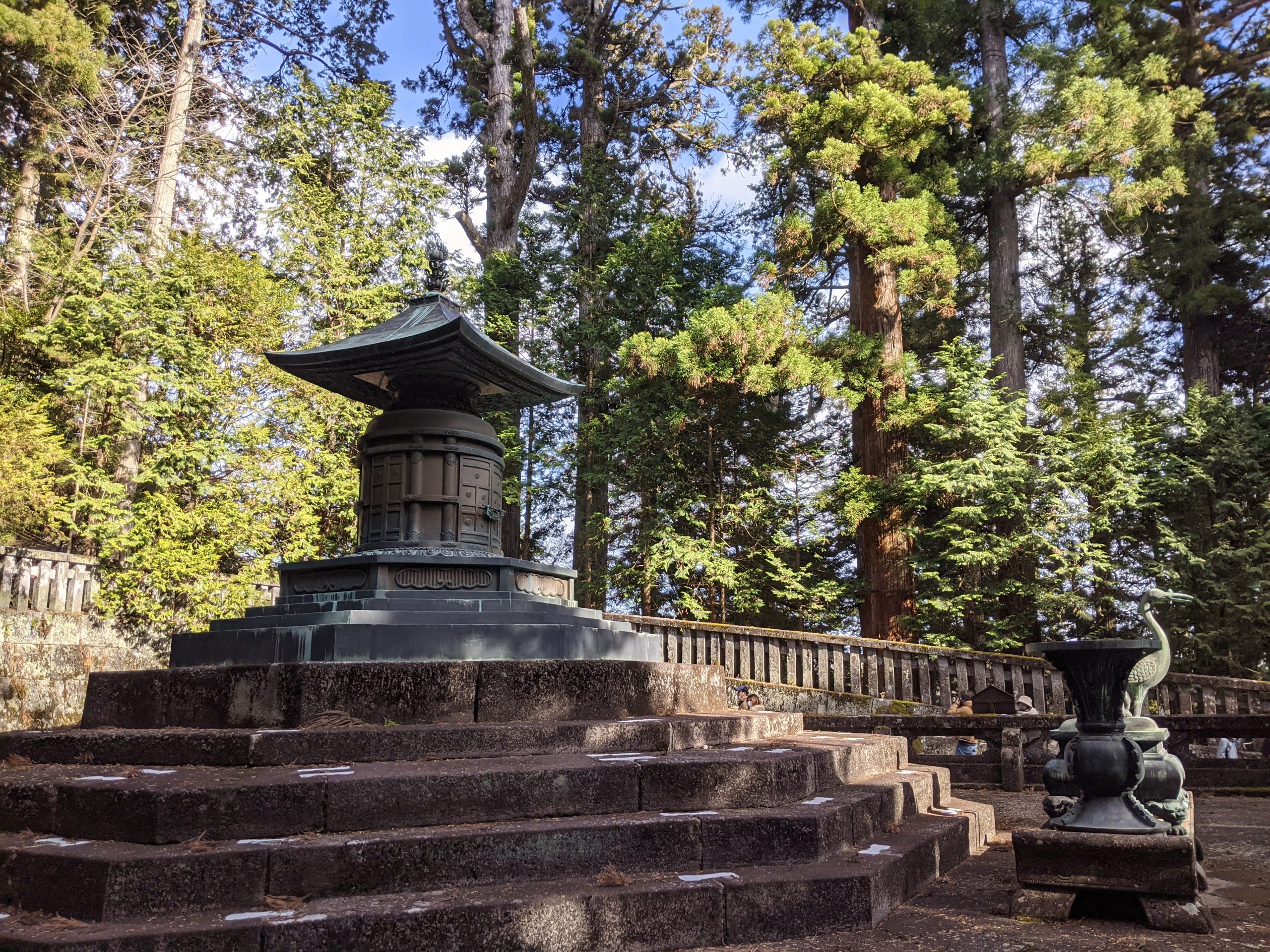
Dedicated to Tokugawa Ieyasu, the founder of the Edo shogunate, Toshogu Shrine dazzles with intricate gilt carvings, including the famous “Sleepy Cat” and “Three Wise Monkeys.” Each detail, meticulously hand‑crafted, encourages close observation and invites questions about the artisans’ intentions—an exercise in patience and curiosity often lost amid urban rush.
3. The Cascading Beauty of Kegon Falls
Plunging 97 meters from the cliffside of Lake Chuzenji, Kegon Falls is a dramatic display of raw power softened by mist‑kissed air. The view from the observation deck frames the waterfall within a natural amphitheater, urging travelers to contemplate the forces that shape both landscape and personal growth.
4. Lake Chuzenji’s Mirror‑Like Calm
Formed by the eruption of Mount Nantai over 20,000 years ago, this alpine lake reflects surrounding peaks with uncanny clarity. Boating across its glassy surface offers an opportunity to view the mountains from a new angle, subtly shifting the mental map we hold of place and distance.
5. The Spiritual Path of the Nikko Yuba
Walking the Nikko Yuba, a network of pilgrimage routes connecting shrines, temples, and natural sites, immerses you in centuries‑old rituals. The gentle ascent through cedar groves serves as a moving meditation, prompting introspection about the journeys we undertake daily in city life.
6. Aromatic Forests of Cedar and Cypress
The towering cedar and cypress trees lining the mountain trails release a piney aroma that lingers long after you leave. This scent, scientifically linked to reduced stress hormones, offers a tangible reminder that environment can directly influence mental state.
7. Seasonal Transformations: Autumn’s Crimson Canvas
Each October, Nikko’s foliage erupts in shades of scarlet, amber, and gold. The dramatic color shift contrasts starkly with Tokyo’s perpetual green parks, challenging preconceived notions of seasonal uniformity and encouraging a deeper appreciation for nature’s cycles.
8. Nighttime Lanterns and the Glow of the Moon
When darkness falls, the shrine precincts are illuminated by traditional lanterns, casting soft amber light onto stone pathways. The moon’s reflection on the lake creates a silvery veil, turning the night into a contemplative theater that urges visitors to look beyond the city’s neon glare.
9. Local Cuisine: Yuba and Soba
Nikko’s culinary specialties, such as yuba (tofu skin) and handmade soba noodles, are prepared using mountain spring water and seasonal ingredients. Tasting these dishes provides insight into how geography shapes flavor, prompting curiosity about the interconnectedness of environment and culture.
10. The Remote Peaks of Mount Nantai
For the adventurous, a climb up Mount Nantai—a sacred volcano revered by both Shinto and Buddhist believers—offers panoramic views that stretch beyond the visible horizon. The ascent demands physical effort, rewarding climbers with a sense of accomplishment that redefines personal limits.
11. Preservation of Traditional Crafts
Artisans in Nikko continue to produce lacquerware, woodblock prints, and metalwork using techniques passed down through generations. Visiting their workshops reveals the meticulous processes behind each artifact, encouraging a deeper respect for craftsmanship often eclipsed by mass production in metropolitan areas.
12. The Quiet Rhythm of Rural Life
Strolling through the small town of Nikko, you’ll encounter locals tending rice paddies, maintaining gardens, and greeting visitors with understated hospitality. This slower tempo provides a living case study in how community values differ from the fast‑paced anonymity of the capital, fostering a fresh outlook on work‑life balance.