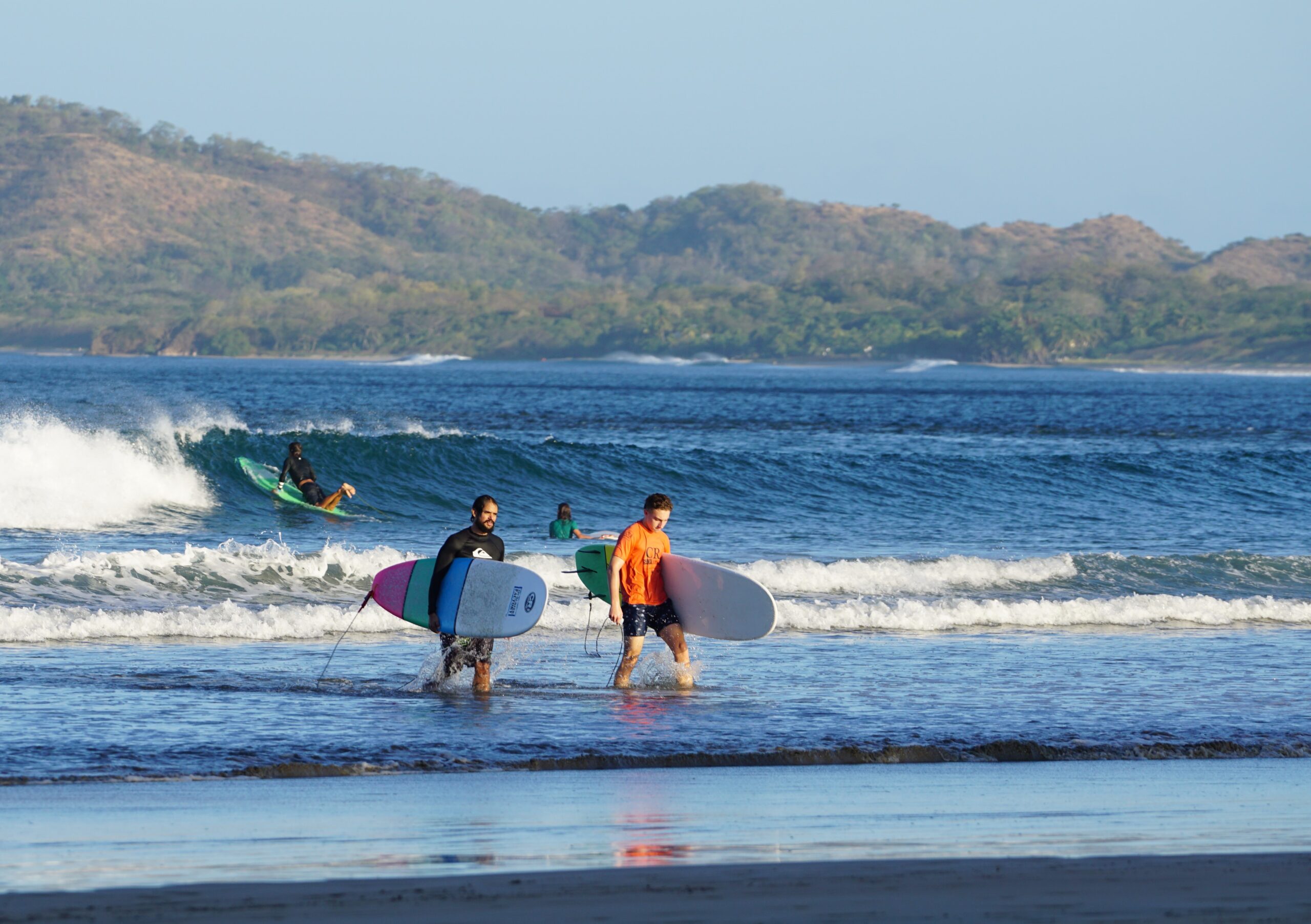
Planning a surf trip to Costa Rica can feel straightforward—pick a beach, rent a board, and catch some waves. The observation that many travelers treat the country as a single surf destination masks a deeper fascination: Costa Rica’s unique blend of consistent swells, diverse microclimates, and a culture that celebrates the ocean creates an environment where surf, nature, and personal growth intersect. The following steps break down the planning process, ensuring that you capture both the surface thrill and the underlying richness of the experience.
1. Choose the Right Season for Your Skill Level
Costa Rica’s Pacific coast experiences two primary swell periods: the rainy season (May – October) brings larger, more powerful swells, while the dry season (December – April) offers smaller, more manageable waves. Beginners typically prefer the dry season at spots like Playa Tamarindo, where waves average 3–5 ft. Advanced surfers seeking heftier rides often target the rainy season’s break at Pavones, where waves can exceed 10 ft. Selecting the proper season aligns wave conditions with your ability, reducing risk and maximizing enjoyment.
2. Map Out the Regional Surf Zones
Costa Rica’s coastline is divided into three main surf regions: the North Pacific (Guanacaste), Central Pacific (Puntarenas), and Southern Pacific (Osa Peninsula). Each region hosts a distinct set of breaks, crowd levels, and amenities. The North Pacific offers consistent beach breaks and a lively tourist infrastructure; the Central Pacific provides a mix of reef and point breaks with fewer crowds; the Southern Pacific delivers remote, world‑class point breaks like Salsa Brava. Understanding regional differences helps you allocate time efficiently and avoid unnecessary travel.
3. Secure Accommodations Near the Breaks
Proximity to the surf spot reduces daily logistics and maximizes wave time. Options range from budget hostels in Tamarindo (e.g., Selina Tamarindo) to eco‑lodges near Dominical (e.g., Catalina Lodge) and high‑end surf villas at Playa Grande. While beachfront properties command higher rates, they often include board rentals, surf lessons, and on‑site chefs, providing a seamless experience that outweighs the extra cost for many travelers.
4. Arrange Reliable Transportation
Renting a 4×4 vehicle is advisable, especially for remote southern breaks where road conditions can be challenging. Major car rental agencies operate out of Juan Santamaría International Airport (SJO) and Liberia’s Daniel Oduber International Airport (LIR). If you prefer not to drive, shared shuttles and local “collectivos” connect popular surf towns. Planning transport ahead of time prevents costly last‑minute arrangements and ensures you can reach less‑touristed breaks without delay.
5. Pack Gear Specific to Tropical Conditions
Unlike temperate surf destinations, Costa Rica’s water temperature rarely falls below 78 °F (25 °C). A 3/2mm shorty wetsuit suffices for most winter months, while a rash guard and boardshorts are adequate during the dry season. Additionally, pack a reef‑safe sunscreen (SPF 30+), a sturdy surfboard bag, and a compact dry‑bag for electronics. Proper gear preparation guards against unexpected weather shifts and protects both you and the marine environment.
6. Book Surf Lessons or Guided Sessions
Even seasoned surfers benefit from local insight. Certified instructors at schools like Surf Life School in Jaco or Pacific Surf Academy in Playa Hermosa can teach you optimal line‑ups, tide‑reading, and safety protocols unique to each break. A single session often uncovers hidden peaks and local etiquette that would otherwise remain unknown, enhancing both performance and cultural integration.
7. Research Local Etiquette and Environmental Practices
Costa Rica’s surf culture emphasizes respect for the ocean, fellow surfers, and the environment. “Right‑of‑way” rules apply uniformly: the surfer closest to the peak has priority. Additionally, many beaches enforce a no‑litter policy and encourage participation in beach clean‑ups. By adhering to these norms, you contribute to the sustainability of the surf spots and gain the goodwill of local communities, which in turn enhances your overall experience.
8. Explore Offshore Activities to Balance the Trip
Surfing alone can become repetitive. The country’s rich biodiversity offers complementary activities such as rainforest hikes in Monteverde, wildlife spotting in Corcovado National Park, or zip‑lining in the canopy near Playa Dominical. Scheduling a day or two for these excursions not only diversifies your itinerary but also deepens appreciation for the ecosystems that shape the region’s wave patterns.
9. Arrange Health and Safety Precautions
Travel insurance covering water sports is essential. Verify that your policy includes emergency evacuation and medical coverage in remote areas. Carry a basic first‑aid kit, a waterproof phone case, and knowledge of local emergency numbers (dial 911 in Costa Rica). Many surf spots have limited lifeguard presence, so self‑reliance and preparedness are critical for a safe trip.
10. Set a Realistic Budget and Currency Plan
While Costa Rica is more affordable than many Caribbean surf destinations, costs can add up quickly: car rentals, surf lessons, and eco‑lodges tend to be pricier during peak season. Budget for $30‑$50 per day for meals, $20‑$40 for board rentals, and $70‑$120 for nightly accommodations in mid‑range areas. Use credit cards where possible, but keep a modest amount of colones for small vendors and tips.
11. Connect with Local Surf Communities Online
Forums such as Surfline Costa Rica and Facebook groups like “Costa Rica Surf & Travel” provide real‑time updates on swell forecasts, crowd levels, and beach conditions. Engaging with these communities before arrival can alert you to temporary closures, upcoming events, or recommended surf spots off the beaten path. This proactive approach often leads to more authentic and less crowded experiences.
12. Plan for Sustainable Souvenirs and Support Local Businesses
The deeper allure of Costa Rica lies in its commitment to sustainability. When purchasing souvenirs, opt for locally crafted items—hand‑woven hammocks, reclaimed‑wood surfboards, or organic coffee. Directly supporting small businesses reinforces the economic model that protects both the surf environment and the surrounding communities. Your choices as a traveler become part of the larger narrative that makes Costa Rica a uniquely compelling surf destination.