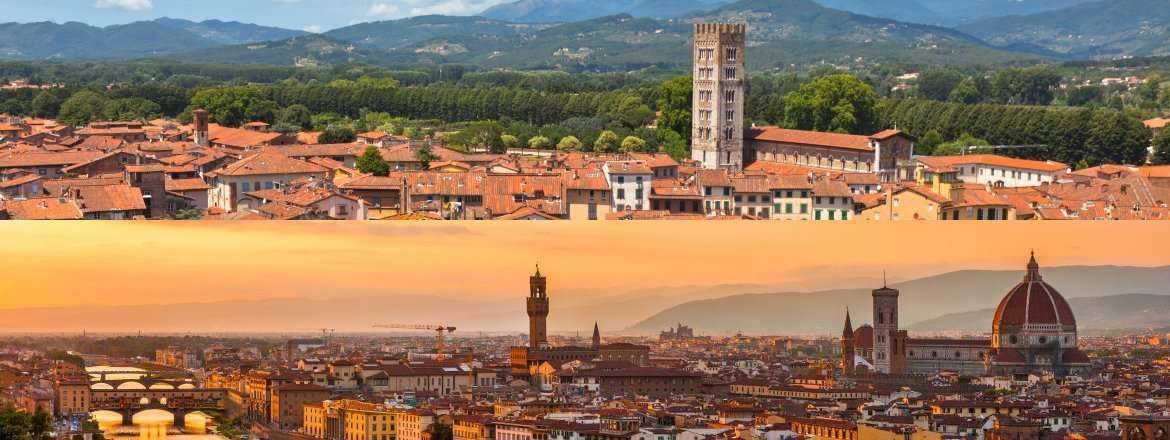
Florence dazzles with its Renaissance art, bustling streets, and iconic monuments, but just a short train ride away lies Lucca—a gently walled city that offers a contrasting slice of Tuscan life. For travelers seeking a more relaxed pace, richer local traditions, and distinct experiences, Lucca provides an alternative that complements and, in many ways, surpasses the typical Florentine itinerary. Below are the key reasons to consider swapping the crowds of Florence for the charms of Lucca.
1. Pedestrian‑Friendly Historic Center
Unlike Florence’s busy traffic arteries, Lucca’s historic core is largely car‑free. The city’s medieval walls have been transformed into a wide, shaded promenade where bicycles, strollers, and pedestrians move at leisure. This layout allows visitors to explore cobblestone streets, hidden piazzas, and boutique shops without the constant noise of automobiles, making the experience more intimate and stress‑free.
2. Intact City Walls You Can Walk
The 4‑kilometer-long Renaissance walls encircling Lucca are some of the best‑preserved in Europe. Visitors can stroll along the top of the walls, taking in panoramic views of rooftops, vineyards, and rolling hills. The elevated pathway offers a unique perspective on the city’s layout and serves as a scenic, traffic‑free route for joggers, cyclists, and walkers alike.
3. A Rich Musical Heritage
Lucca proudly claims the legacy of composer Giacomo Puccini, whose home is now a museum. The city hosts the annual Puccini Festival in the historic Teatro del Giglio, presenting world‑class operatic performances in an intimate setting. For music lovers, Lucca’s concert series, chamber music nights, and street performances provide a cultural depth that differs from Florence’s larger, more tourist‑oriented venues.
4. Authentic Tuscan Cuisine Without the Tourist Markup
While Florence offers impressive dining options, many restaurants cater to tourists and price accordingly. Lucca’s trattorias and osterias serve traditional Tuscan dishes—such as ribollita, pappardelle al cinghiale, and local olive oil—at more reasonable prices. Seasonal markets, like the weekly Mercato di Piazza Antelminelli, give visitors direct access to fresh produce, cheeses, and wines from surrounding farms.
5. A Relaxed Pace for Outdoor Activities
The surrounding countryside is ideal for cycling, hiking, and horseback riding. Lucca’s proximity to the Serchio River and the Apuane Alps provides varied terrain for day trips. Unlike the steep, often crowded streets of Florence, Lucca’s flat surroundings make it easy to rent a bike and explore vineyards, olive groves, and medieval villages at a leisurely tempo.
6. The Unique Experience of the “Lucca Summer Festival”
Each summer, Lucca hosts a diverse music festival featuring international rock, pop, and jazz acts set against historic backdrops. Concerts are held in open‑air venues such as the picturesque Guinigi Tower and the ancient walls, creating a blend of modern entertainment with medieval ambiance that is rarely found in the more classical settings of Florence.
7. Boutique Shopping with Local Artisans
Lucca’s narrow lanes are lined with artisan workshops selling hand‑crafted leather goods, silk scarves, and custom jewelry. Because the city is less tourist‑driven, shoppers often interact directly with makers, gaining insight into traditional techniques and acquiring unique souvenirs that reflect genuine Tuscan craftsmanship.
8. Lesser Crowds, More Personal Interaction
Florence’s major attractions—like the Uffizi and the Duomo—draw massive crowds, especially during peak season. In Lucca, museums and landmarks such as the Cathedral of San Martino or the Torre Guinigi are visited by far fewer tourists, allowing visitors to appreciate art and architecture without the pressure of long lines or overcrowding.
9. Scenic River Walks Along the Serchio
The Serchio River skirts the western edge of the city, offering tranquil walking paths and picturesque bridges. Evening strolls along the riverbanks provide a calming contrast to Florence’s bustling Arno waterfront, with opportunities to spot local wildlife and enjoy sunset reflections over the water.
10. A Rich Calendar of Local Festivals
Beyond the Puccini Festival, Lucca celebrates numerous traditions such as the “Fiera di San Martino” (St. Martin’s Fair) and the “Festa di San Giovanni” (St. John’s Day) with medieval reenactments, food stalls, and fireworks. These events showcase community spirit and regional customs, giving travelers a deeper cultural immersion than the more internationally marketed events in Florence.
11. Proximity to the Tuscan Coast
Within an hour’s train ride, Lucca provides easy access to coastal towns like Viareggio and Forte dei Marmi. Visitors can combine a day at the beach with their inland Tuscan experience, creating a varied itinerary that blends historic exploration with seaside relaxation—an option less convenient from Florence’s inland location.
12. A More Manageable Size for Day Trips
Lucca’s compact layout makes it feasible to explore its main attractions in a single day, leaving extra time for day trips to nearby vineyards, the Garfagnana mountains, or the historic town of Pisa. This flexibility allows travelers to maximize their time in Tuscany without the logistical challenges of navigating a larger urban center like Florence.