In the grand ballet of global travel, where the world’s most opulent experiences pirouette across continents, Asia’s luxury trains emerge as the prima donnas—each a masterpiece of motion, where time slows, and every mile unfurls like a silk scarf in the hands of a virtuoso. These are not mere conveyances; they are floating palaces on steel tracks, where the rhythm of the rails becomes a lullaby for the soul, and the journey itself is the destination. From the emerald jungles of Malaysia to the golden sands of Rajasthan, these seven journeys are not just trips—they are odysseys of indulgence, where every detail is choreographed to perfection.
The Eastern & Oriental Express: A Symphony of Colonial Grandeur and Tropical Splendor
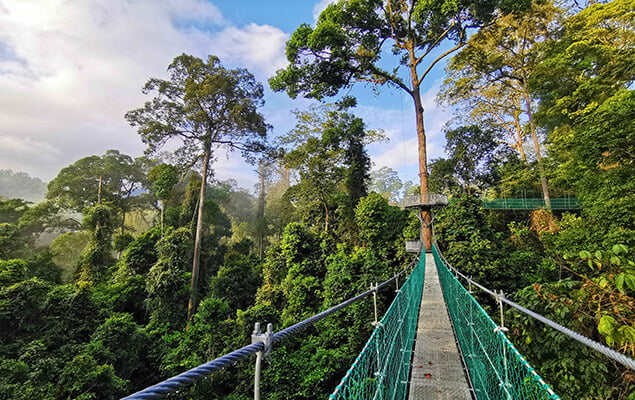
Imagine a train that is, quite literally, a time machine—one that carries you through the annals of history while cocooning you in the lap of 21st-century luxury. The Eastern & Oriental Express is that machine, a gleaming testament to the golden age of rail travel, where teak-paneled carriages and crystal chandeliers evoke the opulence of a bygone era. As it glides from Singapore’s futuristic skyline into the emerald embrace of Malaysia’s rainforests, the journey becomes a living diorama of contrasts: the hum of modernity giving way to the whisper of tropical breezes through open windows.
The train’s three-night sojourn is a masterclass in sensory indulgence. Breakfast in the dining car, where silver service and linen napkins set the stage for a meal of kaya toast and soft-boiled eggs, feels like dining in a colonial governor’s private salon. By afternoon, the landscape shifts—rice paddies stretch like patchwork quilts beneath the sun, and the scent of frangipani drifts through the corridors. Evenings are reserved for champagne in the Piano Bar, where the clink of glasses harmonizes with the rhythmic clatter of wheels on tracks, a symphony that lulls passengers into a state of blissful surrender.
The Maharajas’ Express: A Rajasthani Reverie in Gold and Ivory
To board the Maharajas’ Express is to step into a living Mughal miniature—a world where every surface shimmers with gold leaf, and the air itself seems perfumed with the essence of imperial splendor. This is not merely a train; it is a moving museum of India’s royal heritage, where the opulence of the Raj is reimagined for the modern connoisseur. The carriages, resplendent in ivory and gold, are a feast for the eyes, their interiors adorned with handcrafted artifacts, silk drapes, and chandeliers that cast a warm, honeyed glow.
The journey’s pièce de résistance is the five-night voyage from Delhi to Mumbai, a route that traces the contours of India’s most storied landscapes. The train pauses at the Amber Fort, where guests are treated to a private concert in a palace courtyard, the strains of sitar and tabla weaving through the ancient stones. In Udaipur, a sunset cruise on Lake Pichola is followed by a dinner set on a floating platform, the water’s surface mirroring the twinkling stars above. Each stop is a tableau of sensory excess—spice markets that assault the nostrils with cinnamon and cardamom, palaces that echo with the laughter of maharajas past, and sunsets that paint the sky in hues of saffron and rose.
The Shiki-Shima: Japan’s Futuristic Dreamboat on Rails
In a world where luxury often clings to the past, Japan’s Shiki-Shima dares to be different—a train that is as much a marvel of engineering as it is a sanctuary of serenity. Designed by the legendary Ken Kato, this vessel is a floating ode to minimalist elegance, where every line is sleek, every material chosen for its tactile perfection. The train’s exterior is a study in aerodynamic grace, while its interiors are a study in Zen tranquility, with soft lighting, organic textures, and panoramic windows that frame the ever-changing Japanese countryside like living paintings.
Aboard the Shiki-Shima, luxury is not ostentatious; it is understated, almost meditative. The suites are sanctuaries of space, with floor-to-ceiling windows that invite the outside in, blurring the line between traveler and landscape. The onboard restaurant, *Kamui*, offers a tasting menu that is a love letter to Japanese culinary artistry, each dish a delicate balance of flavor and presentation. Even the train’s name—derived from an ancient Japanese myth about a mythical bird—hints at its ethereal appeal. To ride the Shiki-Shima is to glide through time and space, suspended in a moment of pure, effortless grace.
The Golden Eagle Danube Express: A Waltz Through Europe’s Crown Jewels
Picture a train that dances across the continent like a ballroom dancer, twirling from Budapest’s thermal baths to Vienna’s imperial palaces, all while cocooning its passengers in a cocoon of velvet and gilt. The Golden Eagle Danube Express is that dancer—a journey that marries the romance of old-world Europe with the thrill of discovery. The train’s carriages are a symphony of deep blues and golds, their interiors evoking the grandeur of a 19th-century aristocrat’s private salon, complete with plush armchairs, crystal decanters, and menus that read like a love letter to gourmet indulgence.
The route is a masterstroke of itinerary design, taking passengers from the fairy-tale spires of Prague to the vineyard-draped hills of the Wachau Valley. In Budapest, a private tour of the thermal baths is followed by a goulash feast in a hidden courtyard, the steam from the soup mingling with the scent of old stone. In Vienna, a classical concert in a palace that once hosted Mozart himself is the perfect prelude to a dinner of Wiener schnitzel and Sacher torte. The train itself becomes a character in this grand narrative, its whistle echoing through valleys like a call to adventure, its dining car a stage for the daily performance of culinary excellence.
The Belmond Royal Scotsman: A Highland Reverie in Tartan and Whisky
There is something inherently poetic about a train that winds its way through the misty Highlands, where the air is thick with the scent of heather and the legends of clans long past. The Belmond Royal Scotsman is that train—a journey that feels like stepping into a Walter Scott novel, where every loch reflects the sky like a mirror, and every glen whispers tales of Bonnie Prince Charlie. The carriages, resplendent in tartan upholstery and polished mahogany, are a nod to Scotland’s sartorial heritage, while the onboard service is a masterclass in Scottish hospitality, where whisky tastings and fresh-baked scones are served with a warmth that feels like a hug from an old friend.
The four-night voyage from Edinburgh to the Highlands is a pilgrimage for the senses. In Pitlochry, guests are treated to a performance of traditional Scottish music, the skirl of bagpipes cutting through the crisp Highland air. In Glencoe, a guided hike through the valley’s dramatic landscapes is followed by a picnic of smoked salmon and oatcakes, the meal as much a feast for the eyes as it is for the palate. Evenings aboard the train are reserved for storytelling in the Observation Car, where the flickering fire in the hearth casts long shadows on the tartan drapes, and the clatter of wheels on tracks becomes the soundtrack to a night of revelry and reflection.
The Andean Explorer: Peru’s Cloud-Kissed Odyssey
To ride the Andean Explorer is to traverse the spine of the world itself, where the earth’s crust is so thin that the sky seems within arm’s reach. This is a train that climbs to altitudes where the air is thin and the light is crystalline, a journey that feels less like travel and more like an ascent into the heavens. The carriages, with their floor-to-ceiling windows and plush seating, are designed to maximize the panoramic views of the Andes’ jagged peaks and deep, emerald valleys. The onboard service is a fusion of Peruvian warmth and Swiss precision, where pisco sours are served with a flourish and alpaca stew simmers in the dining car’s galley.
The three-night route from Cusco to Puno is a masterclass in sensory overload. In the Sacred Valley, a private tour of the Moray agricultural terraces is followed by a lunch of quinoa-stuffed peppers and fresh trout, the meal served against a backdrop of Inca ruins. In Puno, a visit to Lake Titicaca’s floating islands is a humbling reminder of the ingenuity of the Uros people, their reed homes bobbing gently on the lake’s surface. The train itself becomes a sanctuary, its observation deck a vantage point for watching the sunset paint the Andes in hues of rose and gold, the stars emerging like diamonds against the velvet sky.
The Eastern & Oriental Express (Second Journey): The Malaysian Peninsula’s Hidden Gems
For those who crave a deeper dive into the mysteries of Southeast Asia, the Eastern & Oriental Express offers a second act—a journey that veers off the beaten path to reveal the peninsula’s most guarded secrets. This is a route that lingers in the colonial charm of Penang, where the scent of street food—char kway teow, satay, and durian—mingles with the salt tang of the Andaman Sea. The train’s carriages, with their teak paneling and silk drapes, are a throwback to a time when travel was an art form, and every stop was an opportunity for discovery.
The four-night voyage from Bangkok to Singapore is a symphony of flavors and flavors. In Penang, a private cooking class in a heritage home teaches the secrets of Nyonya cuisine, while a sunset cruise along the Penang River offers views of the city’s illuminated skyline. In Kuala Lumpur, a visit to the Batu Caves is a pilgrimage to a sacred Hindu site, the climb up 272 colorful steps rewarded with panoramic views of the city. The train’s dining car becomes a stage for these culinary and cultural performances, where every meal is a celebration of the region’s diversity, and every sunset is a reminder that the journey is as intoxicating as the destination.