Travel is no longer about simply arriving; it is about inhabiting a place before you ever set foot there. The most profound journeys begin not at the departure gate, but in the quiet intimacy of your own kitchen. Imagine the scent of lemongrass and galangal filling your home, the steam of a miso broth fogging your windows, all while your passport sits untouched in a drawer. This is the new cartography of wanderlust: a virtual cooking class that serves as a prelude, a promise, a palate-cleansing overture to a real-world adventure. You learn the tactile language of a country through spice, heat, and texture, and then, armed with this sensory knowledge, you travel not as a tourist, but as a culinary initiate.
The Alchemy of Anticipation: Why Learning Before Landing Transforms the Journey
Conventional travel often leaves us disoriented, fumbling with phrases from a phrasebook while our taste buds remain paralyzed by the unfamiliar. Virtual cooking classes alter this dynamic entirely. They function as a form of gustatory deep learning, a process of cognitive mapping that embeds the scents and techniques of a culture into your muscle memory. When you later walk through the bustling arcades of a Tsukiji outer market, you will not be a passive observer; you will recognize the specific sheen of a fresh *hamachi* because you have already handled it via a screen, guided by a master chef in Tokyo. This precognition erases the barrier between visitor and native. It promises a shift from passive sightseeing to active sensory participation. You are no longer an outsider looking in; you are an apprentice who has already completed their first lesson, and the world feels smaller, more intimate, and infinitely more accessible.
Oscillating Palates: The Virtual Pilgrimage Through a Japanese Shrine Town
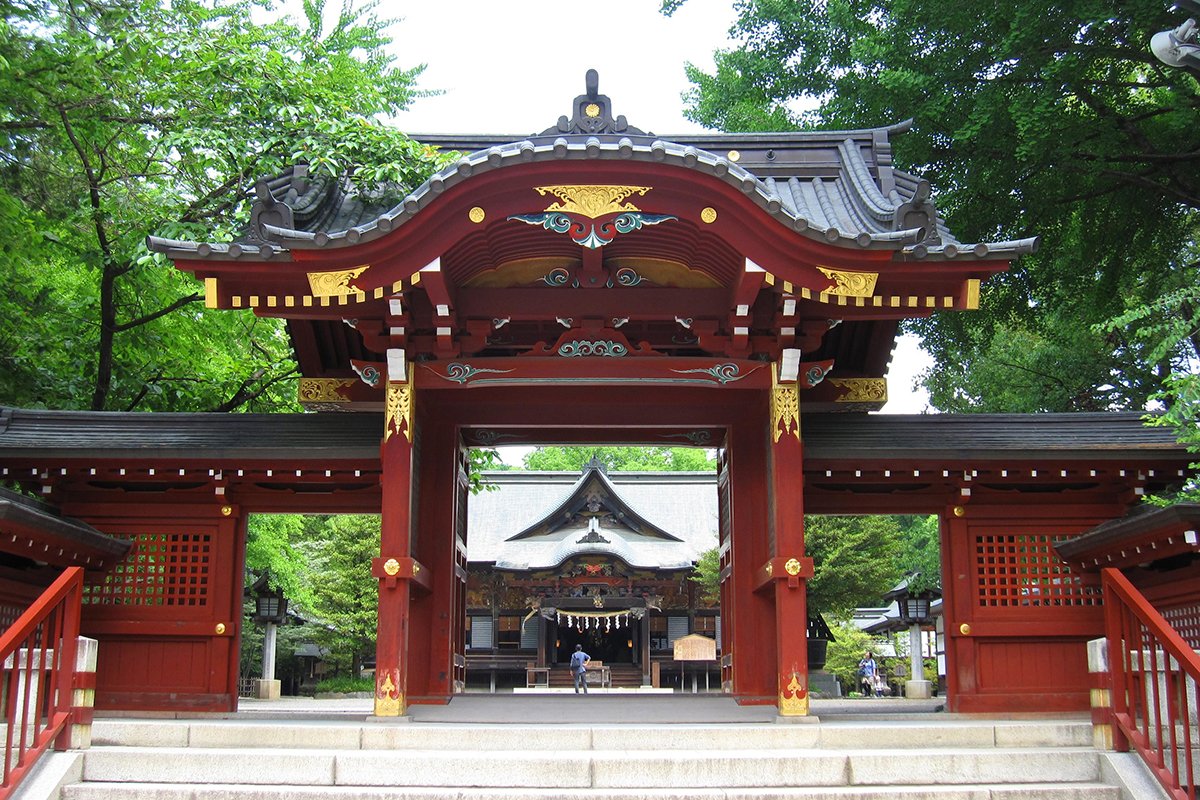
Consider a class focused on the Chichibu region of Saitama Prefecture—a place known for its ancient, quiet shrine and its soulful winter festival. A standard tour bus stops there for an hour. A virtual cooking vacation, however, begins with a deep dive into its hinterland. You start at home, learning the precise folding technique for *oshizushi* (pressed sushi) using locally sourced pickled vegetables. Your instructor, a grandmother from a family that has run a *ryokan* for three generations, does not just teach a recipe. She tells you about the *musubi*—the spiritual connection between food and the gods—that defines the shrine precincts. She shows you how the *kombu* used in your dashi is harvested from the same cold currents that wash the coast of Chichibu’s neighboring prefecture. By the time you eventually stand before the vermilion torii gates of the Chichibu Shrine, the aura of the place is familiar. The air smells not just of cedar, but of the broth you brewed in your own pot weeks earlier. Your perspective has been irrevocably altered; the shrine is no longer a backdrop for a photograph, but the origin of a flavor you know by heart.
From Humble Hearth to Himalayan Heights: The Narrative of Nepali Momos
There is a profound difference between eating a dumpling and understanding its architectural logic. A virtual class on Nepali *momos* is a masterclass in geometry and patience. You do not simply watch; you pleat the dough with the pinch and twist of a sherpa’s wife, learning why the fold must be tight to trap the steam that creates the *jhol* (soup) inside. The instructor, streaming from a small kitchen in Kathmandu, speaks of the spice trade routes that brought turmeric and cumin to the foothills. He describes the altitude’s effect on boiling points and the texture of the dough. This is not a cooking show; it is a narrative. When you later hike through the Annapurna range and stop at a tea house, you will understand the labor behind the tiny, perfect parcels. The food will taste of your own effort, of the hours you spent wrestling with dough, and of the story you helped write. The travel experience becomes a living echo of the home experience, and the mountains feel less alienating and more like a familiar embrace.
The Cartography of Spice: Navigating the Souks of Marrakech Through a Screen
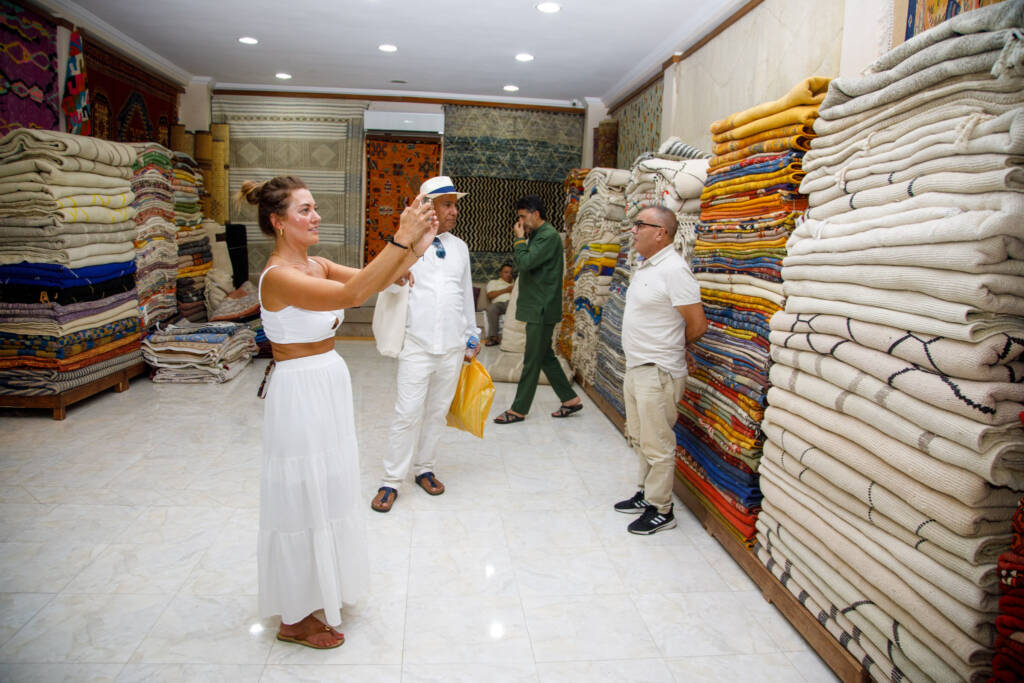
The chaotic beauty of a North African souk—its piles of saffron, its pyramids of *ras el hanout*, its sacks of dried rose petals—can be overwhelming to the uninitiated. Virtual cooking classes solve this problem with exquisite precision. You begin with a lesson on the Moroccan *tagine*, where your instructor, perhaps a chef from a Fes medina, teaches you the artful layering of onions, meat, and fruit. He explains that the conical lid is not just a pot; it is a technology designed to return condensation to the base, a trick of thermodynamics learned from the desert. He diagnoses the difference between sweet cinnamon (for lamb) and bitter cinnamon (for tea). You learn to grind your own cumin seeds, to smell the difference between Spanish and Iranian saffron. When you finally step into the labyrinthine alleyways of Marrakech, you are not lost in a haze of exoticism. You are a connoisseur. You can parse the complex bouquet of the spice stalls. You can haggle with a vendor about the quality of the *kamoun* (cumin) because you have worked with it. The bazaar becomes a library of olfactory knowledge, and you are a fluent reader.
The Sourdough Somnambulist: A Slow-Food Journey Through the Italian Alps
This experience is not for the impatient. It is for the traveler who wants to taste time. A virtual class on *pane di Altamura* or a rustic Alpine rye bread begins weeks before you leave. You do not just make bread; you nurse a mother starter. You learn to read its bubbles, to smell its lactic tang, and to feel the ambient humidity of a specific Italian valley through its fermentation speed. The instructor, a baker from a small village in the Dolomites, discusses the *lievito madre* as if it were a family heirloom. He explains how the local flora—the wild yeasts on the apples and the chestnuts—give the bread its terroir. You synchronize your kitchen’s circadian rhythm with that of a mountain bakery hours away. When you finally arrive in that valley, the smell of the local *forno* is not foreign; it is a homecoming. The crisp, crackling crust of the *pagnotta* crunches exactly as you imagined. You eat a slice and can taste the altitude, the pollen, the patience. This slow, sourdough approach to travel promises that the most memorable journeys are not fast. They are leavened with anticipation, slowly risen over weeks, and baked in the oven of real experience.
Epilogue: The Trip Within the Trip
The greatest promise of the virtual cooking class vacation is the double journey. You take one in your home, a secret, indulgent pilgrimage of the senses, and then you take a second, corporeal trip to verify the visions you have already created. It is an act of profound preparation that transforms the mundane act of eating into a constant thread of discovery. You will never glance at a menu again without recalling a story. You will never taste a sauce without deciphering its lineage. By the time you return home, your suitcase may be empty of souvenirs, but your mind will be saturated with a new way of seeing—and tasting—the world. You did not just visit a place; you joined its kitchen, and you are now a permanent member of the feast.