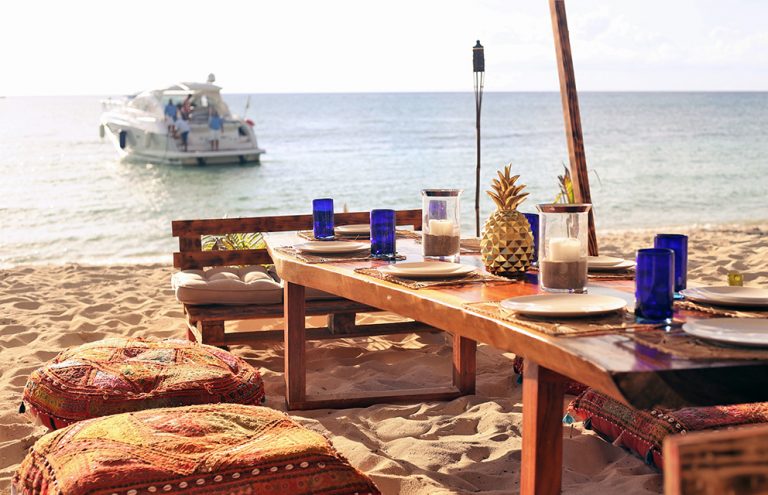
Many travelers assume that a romantic private dinner on the beach is an exclusive luxury only attainable with a hefty budget. In reality, the allure of dining beside the waves stems from a deeper human desire for intimacy, nature, and escape—a craving that can be satisfied without overspending. Below is a practical, step‑by‑step guide to securing a memorable yet affordable beachfront dinner.
1. Choose the Right Beach and Time
Select a public beach that allows evening gatherings and offers a modest permit fee, if any. Off‑season weekdays are less crowded and often come with discounted rates from local vendors. For example, Oceanview Park in Santa Cruz, CA (123 Beachside Blvd) charges a $10 sunset permit during weekdays, while weekends can double the cost.
2. Verify Local Regulations
Municipal ordinances vary: some cities prohibit open flames, while others allow portable propane burners under a permit. Contact the city’s Parks & Recreation department (e.g., 555‑123‑4567 for San Diego’s La Jolla Shores) to confirm rules and any required paperwork. Ignoring this step can lead to fines or a ruined dinner.
3. Scout Budget-Friendly Catering Options
Local food trucks and small catering firms often provide set menus at reduced rates for beach events. In Miami Beach, FL, “Sunset Bites” (789 Ocean Dr) offers a three‑course package for $25 per person, including a portable table, linens, and basic lighting.
4. Leverage Online Marketplaces
Platforms such as Airbnb Experiences and Thumbtack list beachfront dinner providers who specialize in low‑cost setups. Filter results by price and read reviews to ensure reliability. Booking through these services can save up to 30 % compared with direct vendor negotiations.
5. Opt for DIY Set‑Up with Rental Gear
Renting tables, chairs, and décor from local party supply stores is often cheaper than full‑service packages. In Portland, OR, “Beach Party Rentals” (321 Seaside Ave) offers a basic table‑and‑chair kit for $15 per set, plus optional fairy lights at $5 per strand.
6. Choose a Simple, Seasonal Menu
Seasonal ingredients reduce costs while enhancing flavor. A summer menu of grilled shrimp, corn salad, and berry sorbet can be sourced from local farmers’ markets for under $10 per person. Purchasing in bulk and preparing dishes yourself further cuts expenses.
7. Arrange Portable Lighting Wisely
Battery‑operated LED lanterns and solar string lights provide ambience without electricity fees. A set of four “Coastal Glow” lanterns (available at Home Depot, 123 Main St, Seattle, WA) costs $20 and lasts through the night, eliminating the need for expensive generator rentals.
8. Secure a Private Spot with Minimal Disruption
Stake portable privacy screens or rent a small canopy to delineate your dinner area. This not only adds exclusivity but also complies with beach etiquette by keeping food and waste contained. Screens can be sourced from “EventShield” (456 Harbor Rd) for $12 each.
9. Plan for Clean‑Up in Advance
Bring biodegradable plates, reusable utensils, and trash bags to satisfy environmental regulations and avoid cleanup fees. Many coastal municipalities, such as the Town of Carmel‑by‑the‑Sea, CA, impose a $25 cleanup surcharge for events that leave waste behind.
10. Negotiate a Group Discount
If you’re booking for more than six guests, request a bulk discount from the caterer or rental provider. Most vendors are willing to reduce per‑person costs by 10‑15 % for larger parties, especially during slower months.
11. Use Loyalty Programs and Coupons
Sign up for newsletters from local restaurants and rental companies. Seasonal coupons (e.g., “Beach Dinner 10 % Off”) often appear in email promotions and can be stacked with other discounts for additional savings.
12. Book Early to Lock In Savings
Reservations made at least three weeks in advance secure lower permit fees and guarantee equipment availability. Early bookings also give you time to compare prices, read reviews, and avoid last‑minute price spikes.
13. Consider a Shared Experience with Nearby Couples
Co‑hosting the dinner with another couple splits the cost of permits, rentals, and catering. This arrangement maintains a private feel while halving expenses, and it often leads to a more lively atmosphere without compromising intimacy.
14. Verify Transportation and Parking Options
Choose a beach with free or low‑cost parking to avoid additional fees. Public transit alternatives, such as the San Francisco MUNI line to Ocean Beach, can further reduce costs and simplify logistics for guests arriving from different locations.
15. Document the Event for Future Savings
Take photos and keep receipts to build a reference library of affordable vendors and successful setups. This information helps streamline planning for future beach dinners, ensuring you can replicate a cost‑effective experience without starting from scratch each time.